










Overview
Bunions can cause pain and discomfort, but there are various treatment options available. Non-surgical methods include bunion corrector tape, custom orthotics, and physical therapy, while advanced surgical techniques like minimally invasive surgery and the Lapiplasty technique offer solutions for more severe cases. Postoperative care is crucial for recovery and maintaining foot health. Consult a foot care professional to find the best approach for your needs.
Table of Contents
- Understanding Bunions: The Basics
- Innovative Non-Surgical Techniques
- Bunion Corrector Tape
- Foot Orthotics and Inserts
- Physical Therapy and Stretching
- Innovative Surgical Approaches
- Minimal Invasive Surgery
- Lapiplasty Technique
- Scarf and Akin Osteotomy
- Post-Correction Care: The Key to Success
- Your Path to Comfort and Mobility
Key Takeaways
- Bunions are foot deformities that cause pain and discomfort, often requiring correction methods for relief.
- Non-surgical options like bunion corrector tape and custom foot orthotics can alleviate pain and improve toe alignment.
- Physical therapy and stretching exercises are effective in enhancing foot mechanics and reducing bunion symptoms.
- Minimally invasive surgery offers quicker recovery times and less postoperative pain compared to traditional surgical methods.
- The Lapiplasty technique addresses bunions at their root, providing better long-term outcomes and lower recurrence rates.
- Postoperative care is crucial for successful recovery, including following guidelines and using appropriate footwear.
- Consulting with foot care professionals is essential for selecting the most suitable bunion correction method tailored to individual needs.
Bunions, often recognized as painful and unsightly foot deformities, can significantly impact one's quality of life. The prominence of bunions has led to the development of innovative techniques in bunion correction, offering hope for those seeking relief. This article explores various modern methods for bunion correction, emphasizing not only surgical interventions but also non-invasive options like bunion corrector tape.
Understanding Bunions: The Basics
Bunions, scientifically known as hallux valgus, occur when the big toe deviates towards the second toe, causing a bony prominence at the base of the big toe. This deformity can lead to pain, inflammation, and difficulties in finding comfortable footwear. Understanding the underlying causes of bunions is essential for selecting the most suitable correction method. Common factors include:
- Genetics
- Flat feet or low arches
- Improper footwear
- Arthritis
Innovative Non-Surgical Techniques
Before resorting to surgical interventions, many individuals explore non-surgical options to alleviate bunion pain and correct the alignment of the toe. Here are some of the most effective non-invasive techniques:
Bunion Corrector Tape
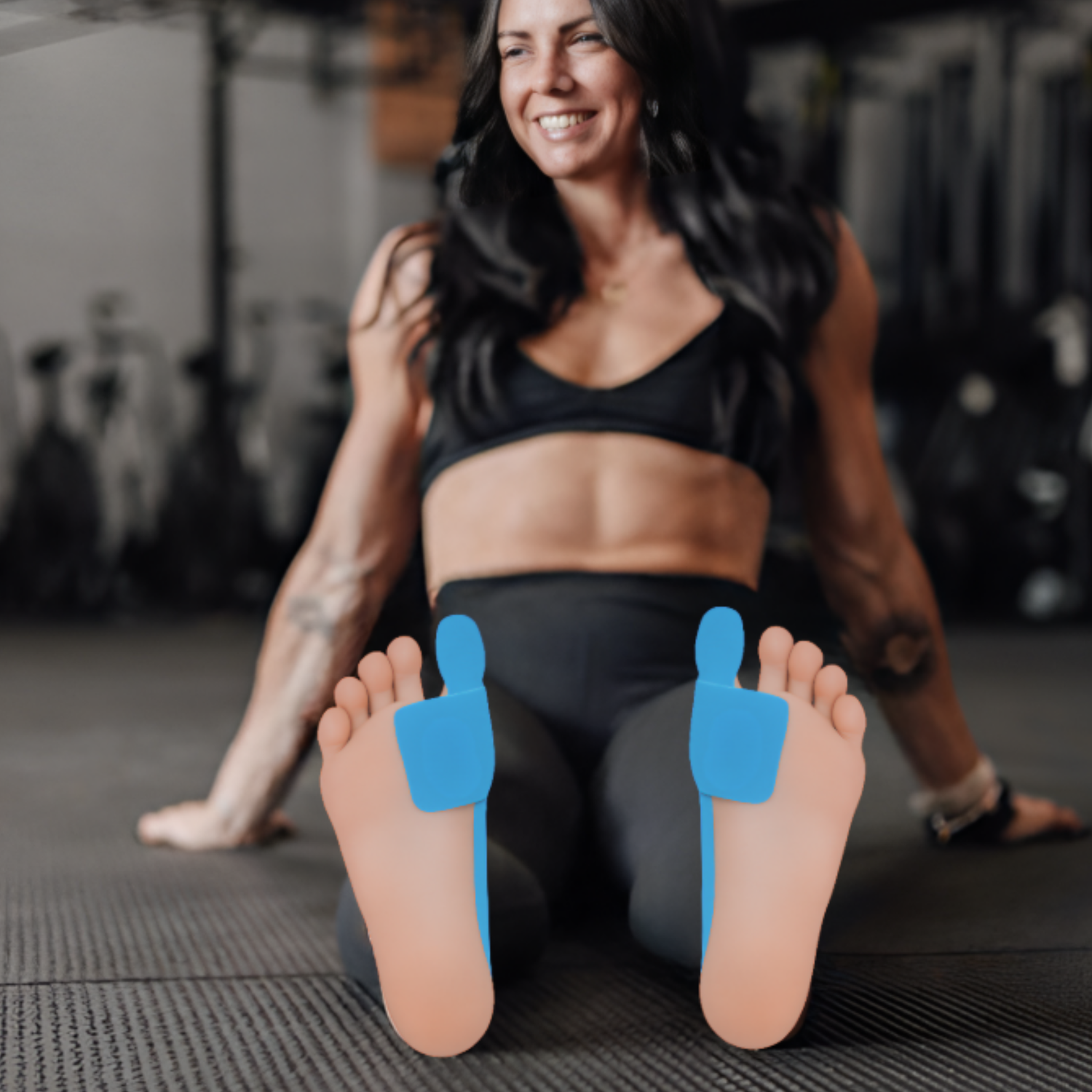
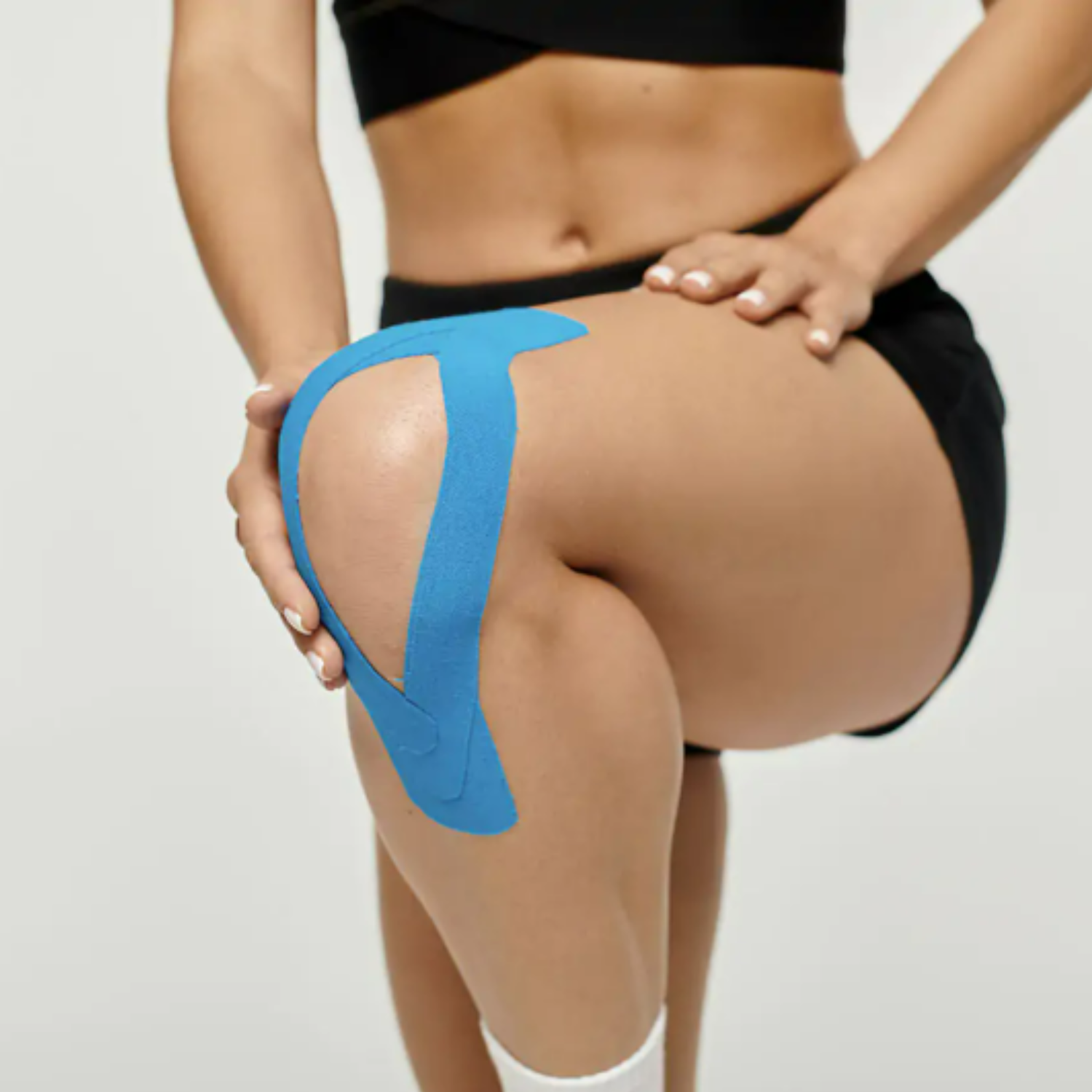
One of the simplest yet highly effective methods for bunion correction is the use of bunion corrector tape. This specialized tape is designed to provide support and stability to the foot, promoting proper alignment of the big toe. By applying bunion corrector tape correctly, users can experience reduced discomfort and even gradual correction over time. This method is particularly appealing for those who prefer a non-invasive approach and wish to avoid surgery.
Foot Orthotics and Inserts
Custom foot orthotics can provide significant relief from bunion pain and assist in correcting the foot's alignment. These devices are designed to redistribute pressure away from the bunion and provide arch support. Over-the-counter options are also available, although consulting with a podiatrist for custom solutions is often recommended.
Physical Therapy and Stretching
Engaging in physical therapy can help improve foot mechanics and alleviate the pain associated with bunions. A physical therapist can guide patients through specific exercises designed to strengthen the foot muscles and improve flexibility. Simple stretching exercises targeting the toes and feet can also prove beneficial in managing symptoms.
Innovative Surgical Approaches
For individuals whose bunion deformities are more severe or do not respond to non-surgical treatments, innovative surgical interventions might be considered. Modern techniques have greatly improved recovery times and outcomes. Here are some cutting-edge surgical methods:
Minimal Invasive Surgery
Advances in surgical technology have led to the development of minimally invasive bunion correction methods. This technique involves smaller incisions and aims to minimize tissue damage. Patients often benefit from shorter recovery times and less postoperative pain compared to traditional surgeries.
Lapiplasty Technique
The Lapiplasty technique represents a significant advancement in bunion correction. This method involves realigning the bunion at its root, addressing the underlying deformity at multiple angles rather than just the surface. By correcting the bone structure, patients experience improved long-term outcomes and reduced recurrence rates of bunion formation.
Scarf and Akin Osteotomy
This surgical technique combines two procedures, the Scarf osteotomy and the Akin osteotomy, to achieve comprehensive correction. The Scarf osteotomy involves reshaping the metatarsal bone to create proper alignment, while the Akin osteotomy addresses any associated issues with the proximal phalanx of the big toe. Together, these techniques effectively correct the bunion and improve foot function.
Post-Correction Care: The Key to Success
Regardless of the method used for bunion correction, postoperative care is critical for successful outcomes. Here are some essential pointers for aftercare:
- Follow the surgeon’s guidelines for activity levels and weight-bearing.
- Utilize appropriate footwear to protect the foot and maintain alignment.
- Incorporate physical therapy exercises as recommended.
- Consider continuing the use of bunion corrector tape during recovery.
Your Path to Comfort and Mobility
Choosing the right technique for bunion correction is vital in returning to a pain-free, active lifestyle. With numerous options available, from innovative non-invasive treatments such as bunion corrector tape to advanced surgical techniques, patients can find a solution that suits their needs and preferences. It’s essential to consult with foot care professionals to develop a tailored approach that addresses the specific issues pertaining to your bunion. By exploring these innovative techniques and understanding the importance of follow-up care, you can embark on your journey toward improved foot health and mobility. Your feet carry you through life—make sure they're taken care of!
Frequently Asked Questions
1. What are bunions and what causes them?
2. What are some non-surgical options for bunion correction?
3. What is the Lapiplasty technique for bunion correction?
4. How important is post-correction care after bunion surgery?
5. Why is it important to consult with foot care professionals when dealing with bunions?
Glossary
| Term | Meaning |
|---|---|
| Bunion | A painful foot deformity where the big toe deviates towards the second toe. |
| Hallux Valgus | The medical term for bunions, indicating the big toe's misalignment. |
| Bunion Corrector Tape | A specialized tape used to support and align the big toe. |
| Foot Orthotics | Custom or over-the-counter devices that provide arch support and pressure redistribution. |
| Physical Therapy | Rehabilitation focused on improving foot mechanics and reducing pain. |
| Minimally Invasive Surgery | A surgical technique with smaller incisions to reduce recovery time and pain. |
| Lapiplasty Technique | An advanced surgical method that realigns the bunion at its root. |
| Scarf Osteotomy | A procedure that reshapes the metatarsal bone for proper alignment. |
| Akin Osteotomy | A surgical technique correcting issues with the proximal phalanx of the big toe. |
| Postoperative Care | Essential practices to ensure successful recovery after bunion correction. |
Linked Product

Bunion Relief Bundle
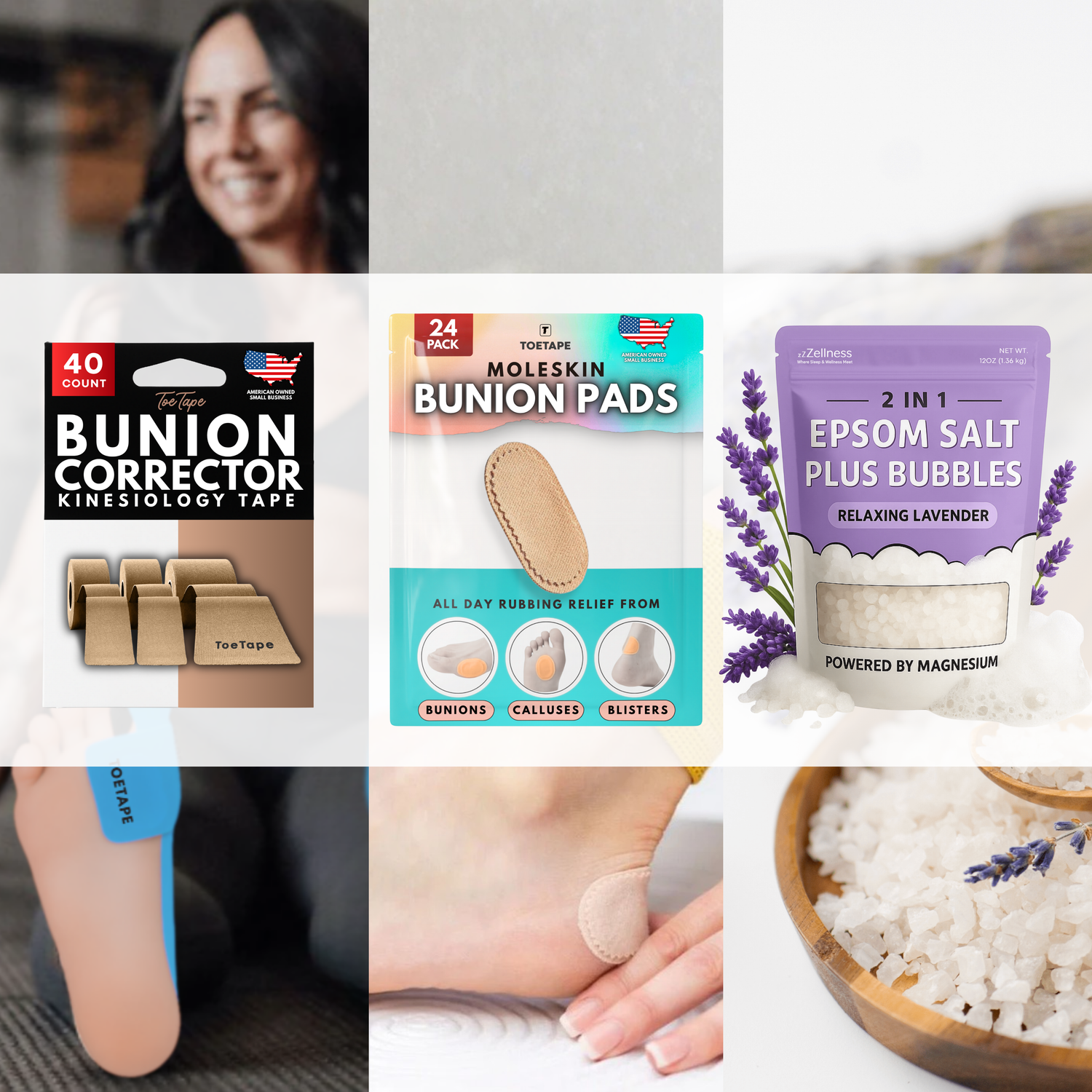
The Bunion Relief Bundle offers a comprehensive approach to foot comfort and recovery, featuring three effective products designed to alleviate pain and support natural alignment. With ToeTape™ for gentle realignment, Moleskin Bunion Pads to protect against friction, and Epsom Salts for soothing relief, this bundle is ideal for anyone on their feet or engaging in physical activity. Together, these essentials help maintain comfort and promote faster recovery for your feet.
View Product