










Overview
Bunions are painful foot conditions caused by misalignment of the big toe. Effective management includes wearing proper footwear, using orthotics, physical therapy, and possibly bunion correctors. Regular foot care and healthy lifestyle choices can prevent worsening symptoms. Consult a podiatrist for personalized treatment plans and consider a pain relief bundle for enhanced comfort.
Table of Contents
- Understanding Bunions: What Are They?
- Symptoms of Bunions
- Podiatrist Recommendations for Bunions
- Non-Surgical Treatment Options
- Using a Bunion Corrector for Women
- When to Consider Surgery
- The Importance of Regular Foot Care
- Combining Treatments for Better Results
- The Impact of Lifestyle Choices on Bunions
- Seek Professional Guidance
- A Gentle Reminder: Take Care of Your Feet
Key Takeaways
- Bunions are bony protrusions at the base of the big toe, often caused by genetics, footwear choices, foot structure, or arthritis.
- Common symptoms include pain, swelling, and restricted movement of the big toe, as well as the development of corns or calluses.
- Non-surgical treatment options include proper footwear, foot orthotics, physical therapy, ice therapy, and curated pain relief bundles.
- Bunion correctors for women can help realign the toe and reduce pain, and are recommended for both day and night use.
- Surgery may be necessary if non-surgical treatments fail, the bunion affects daily activities, or there is persistent inflammation.
- Regular foot care is essential to prevent worsening symptoms; this includes keeping feet clean, rotating footwear, and consulting with a podiatrist.
- Lifestyle choices such as weight management, regular physical activity, and a balanced diet can influence the progression of bunions.
Bunions are a common foot ailment that can cause significant pain and discomfort. For many, they lead to challenges in finding proper footwear, let alone engaging in their favorite activities. Fortunately, insights from podiatrists provide effective strategies for treatment and management of bunions. In this article, we delve into podiatrists' recommendations that can help ease discomfort and improve foot health. Along the way, we will emphasize the importance of a comprehensive pain relief bundle for maximum effectiveness.
Understanding Bunions: What Are They?
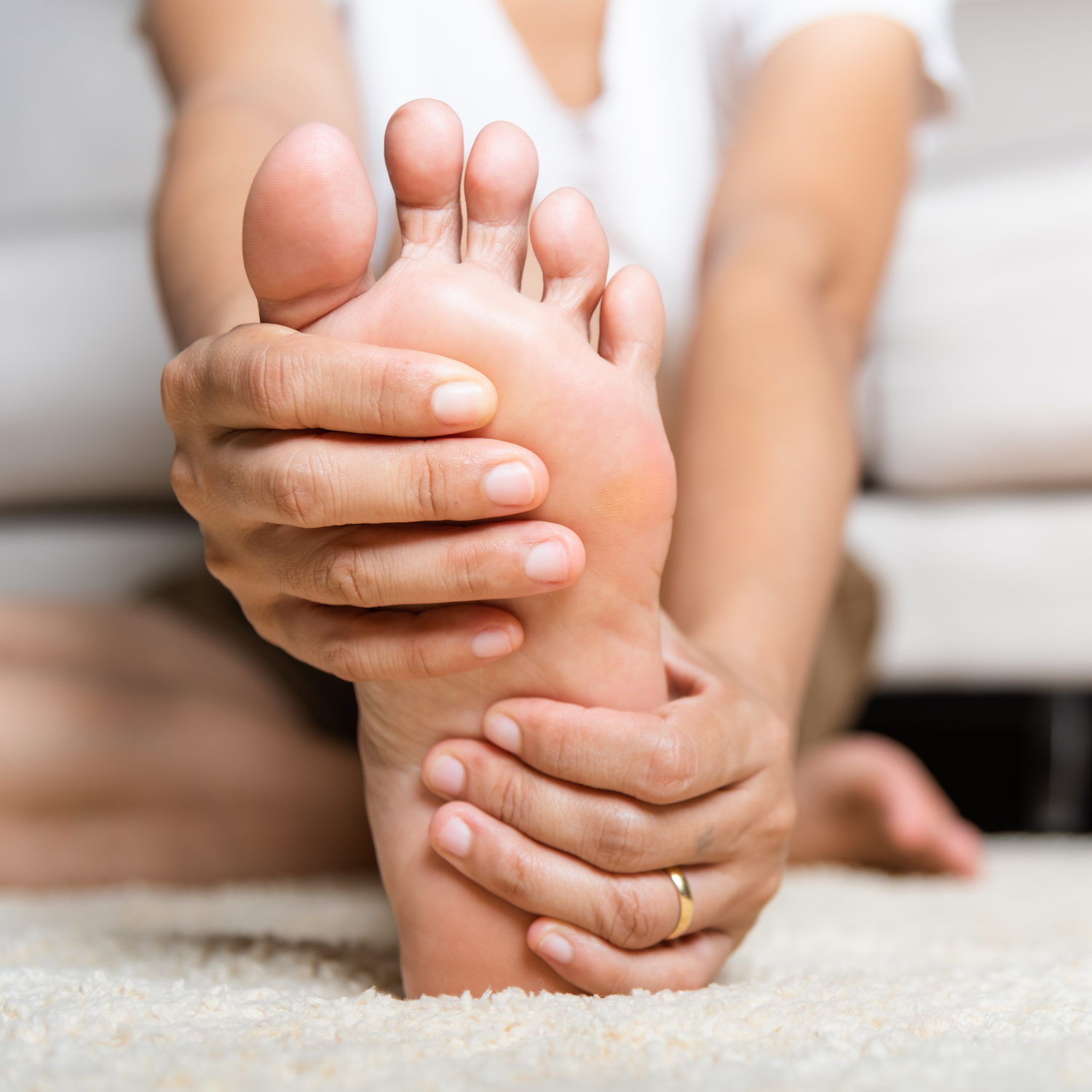
Bunions, or hallux valgus, are bony protrusions located at the base of the big toe. They typically develop when the big toe leans toward the second toe, causing a misalignment in the joint. While genetics often play a role in their development, several factors can contribute, including:
- Footwear Choices: Wearing tight or poorly fitting shoes can exacerbate bunion formation.
- Foot Structure: Abnormal foot mechanics or flat feet can lead to increased pressure on the big toe.
- Arthritis: Inflammatory conditions can increase the likelihood of bunion development.
Symptoms of Bunions
Individuals with bunions may experience a range of symptoms that can vary in intensity. Common symptoms include:
- Pain or tenderness at the site of the bunion
- Swelling and inflammation around the big toe joint
- Redness and warmth at the affected area
- Restricted movement of the big toe
- Development of corns or calluses due to friction with footwear
Podiatrist Recommendations for Bunions
Non-Surgical Treatment Options
Many podiatrists advocate for non-surgical approaches as the first line of treatment for bunions. These methods can provide much-needed pain relief and improve overall foot function:
- Proper Footwear: Selecting shoes that provide ample space for the toes can dramatically reduce pressure on the bunion. Look for options with a wide toe box and good arch support.
- Foot Orthotics: Custom or over-the-counter orthotic inserts can help distribute weight evenly across the foot, alleviating discomfort.
- Physical Therapy: Gentle stretching and strengthening exercises can improve flexibility and alignment, potentially reducing pain.
- Ice Therapy: Applying ice to the affected area can help reduce inflammation and alleviate pain.
- Pain Relief Bundles: A curated pain relief bundle can provide essential tools for managing inflammation and discomfort associated with bunions.
Using a Bunion Corrector for Women
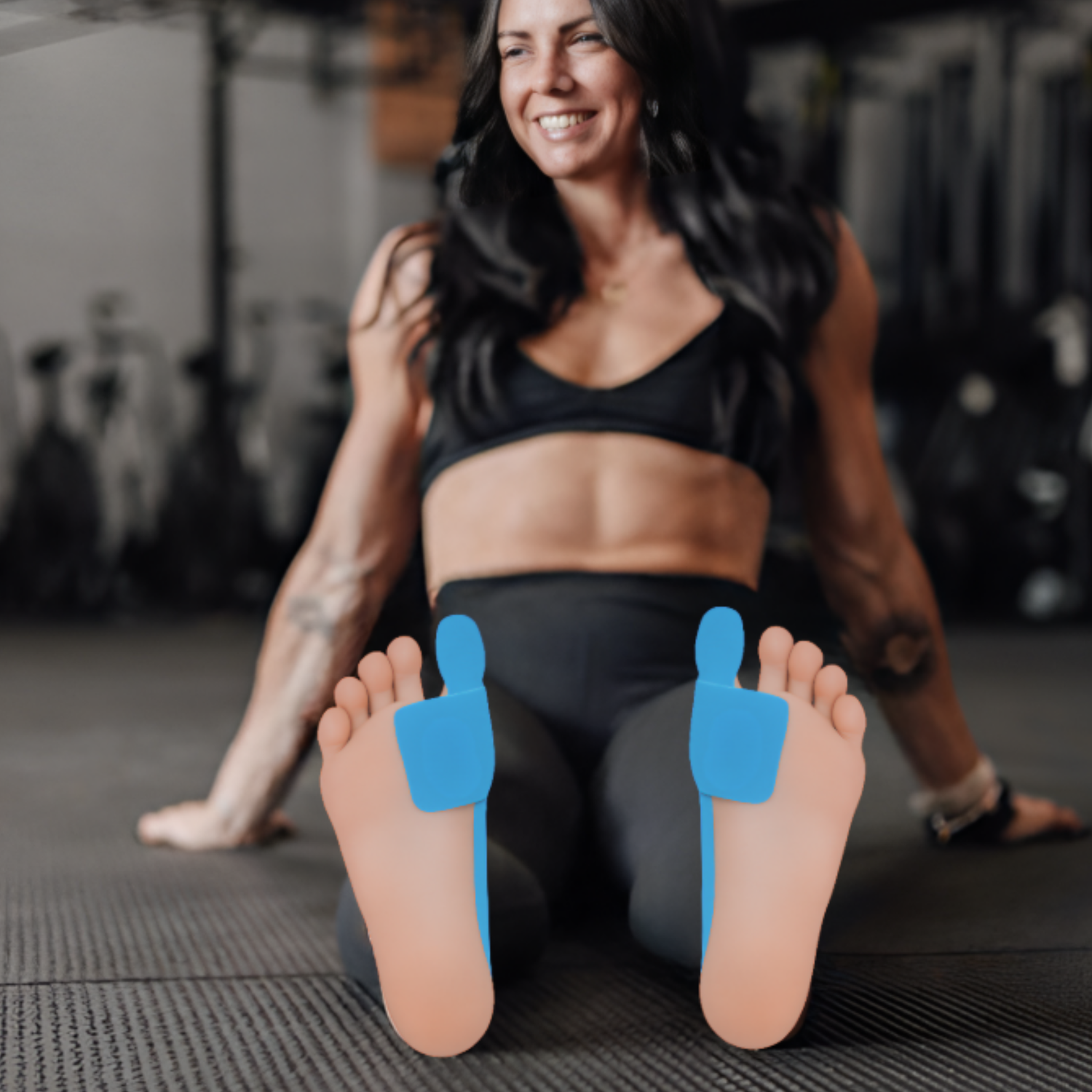
Podiatrists often recommend bunion correctors for women that can be worn at night or even throughout the day. These devices aim to realign the toe and reduce pain over time. Key benefits of using a bunion corrector include:
- Non-invasive and easy to use
- Gradual realignment of the toe
- Can help prevent bunion progression
When to Consider Surgery
While many patients successfully manage their bunions with non-surgical methods, some may require surgical intervention. Podiatrists will typically recommend surgery if:
- Non-surgical treatments fail to relieve pain
- The bunion affects daily activities and quality of life
- There is persistent inflammation or swelling
The Importance of Regular Foot Care
Podiatrists emphasize the significance of ongoing foot care for individuals with bunions. Engaging in regular foot hygiene practices and routine check-ups can prevent the worsening of symptoms.
Some foot care tips include:
- Keep feet clean and dry to prevent infections.
- Rotate footwear regularly to minimize pressure on bunions.
- Consult with a podiatrist for tailored foot care advice.
Combining Treatments for Better Results
Podiatrists often suggest a comprehensive approach to bunion management, combining various treatment options for optimal results. For example, pairing the use of a bunion corrector for women with a pain relief bundle can enhance comfort and facilitate toe realignment.
Here are some strategies for effective combination therapy:
- Nighttime Correctors: Use bunion correctors while sleeping for realignment, paired with daily use of ice therapy for inflammation.
- Footwear Education: Invest in supportive footwear that complements the use of orthotics for daily wear.
- Daily Routine: Incorporate stretches and strength exercises into your daily routine to promote optimal foot health and function.
The Impact of Lifestyle Choices on Bunions
Moreover, lifestyle choices can greatly influence the progression of bunions.
- Weight Management: Maintaining a healthy weight can reduce pressure on the feet and lower the risk of bunion development.
- Regular Physical Activity: Engage in low-impact exercises, such as swimming or cycling, to promote mobility without overexerting the feet.
- Nutrition: A balanced diet rich in anti-inflammatory foods can support joint health and reduce swelling.
Seek Professional Guidance
Ultimately, it's essential to consider the individual impact of bunions, which varies from person to person. Seeking professional advice from a podiatrist can help tailor a treatment plan unique to your needs.
During your consultation, your podiatrist may perform a thorough examination and discuss potential treatment options tailored to your symptoms. They may also provide recommendations for your unique lifestyle needs.
A Gentle Reminder: Take Care of Your Feet
Incorporating these insights from podiatrists into your bunion treatment strategy can lead to significant improvements in pain management and quality of life. By focusing on proper footwear, incorporating pain relief bundles, and considering bunion correctors for women, you can proactively tackle the challenges posed by bunions. Remember, when in doubt, consult a podiatrist for personalized advice and support.
As you work towards better foot health, embrace the journey with patience and commit to the care your feet deserve. Take the first step today, and let your feet lead you towards a more comfortable tomorrow!
Frequently Asked Questions
1. What are bunions?
2. What are the common symptoms of bunions?
3. What non-surgical treatments are recommended for bunions?
4. When should someone consider bunion surgery?
5. How can lifestyle choices affect bunions?
Glossary
| Term | Meaning |
|---|---|
| Bunion | A bony protrusion at the base of the big toe caused by misalignment. |
| Hallux Valgus | The medical term for a bunion. |
| Foot Orthotics | Custom or over-the-counter inserts to support foot alignment. |
| Ice Therapy | Applying ice to reduce inflammation and alleviate pain. |
| Bunion Corrector | A device designed to realign the big toe and reduce bunion pain. |
| Physical Therapy | Exercises aimed at improving foot flexibility and strength. |
| Non-Surgical Treatment | Methods used to manage bunions without surgical intervention. |
| Footwear Education | Choosing supportive shoes to minimize bunion pressure. |
| Regular Foot Care | Routine hygiene and check-ups to prevent bunion worsening. |
Linked Product

Bunion Relief Bundle
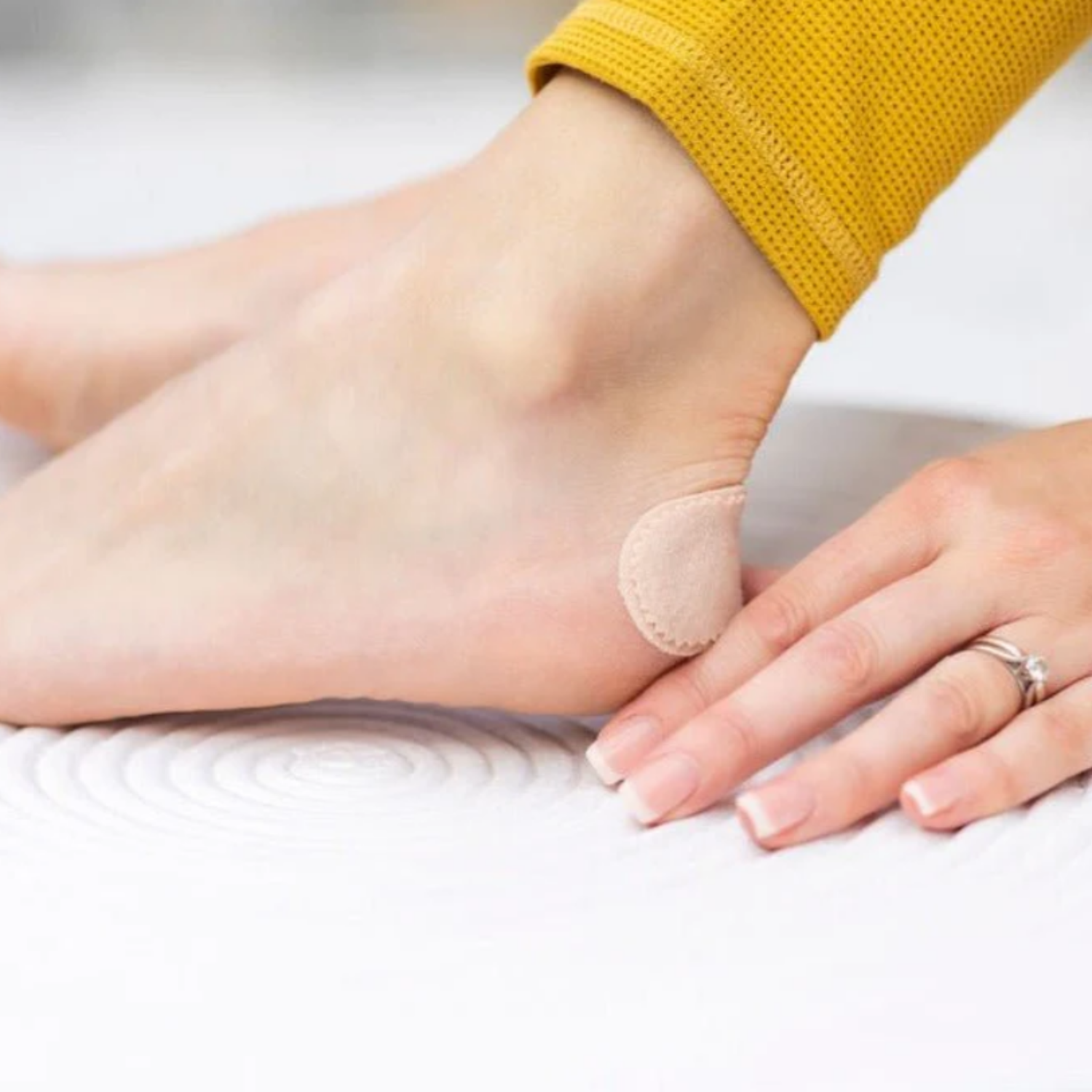
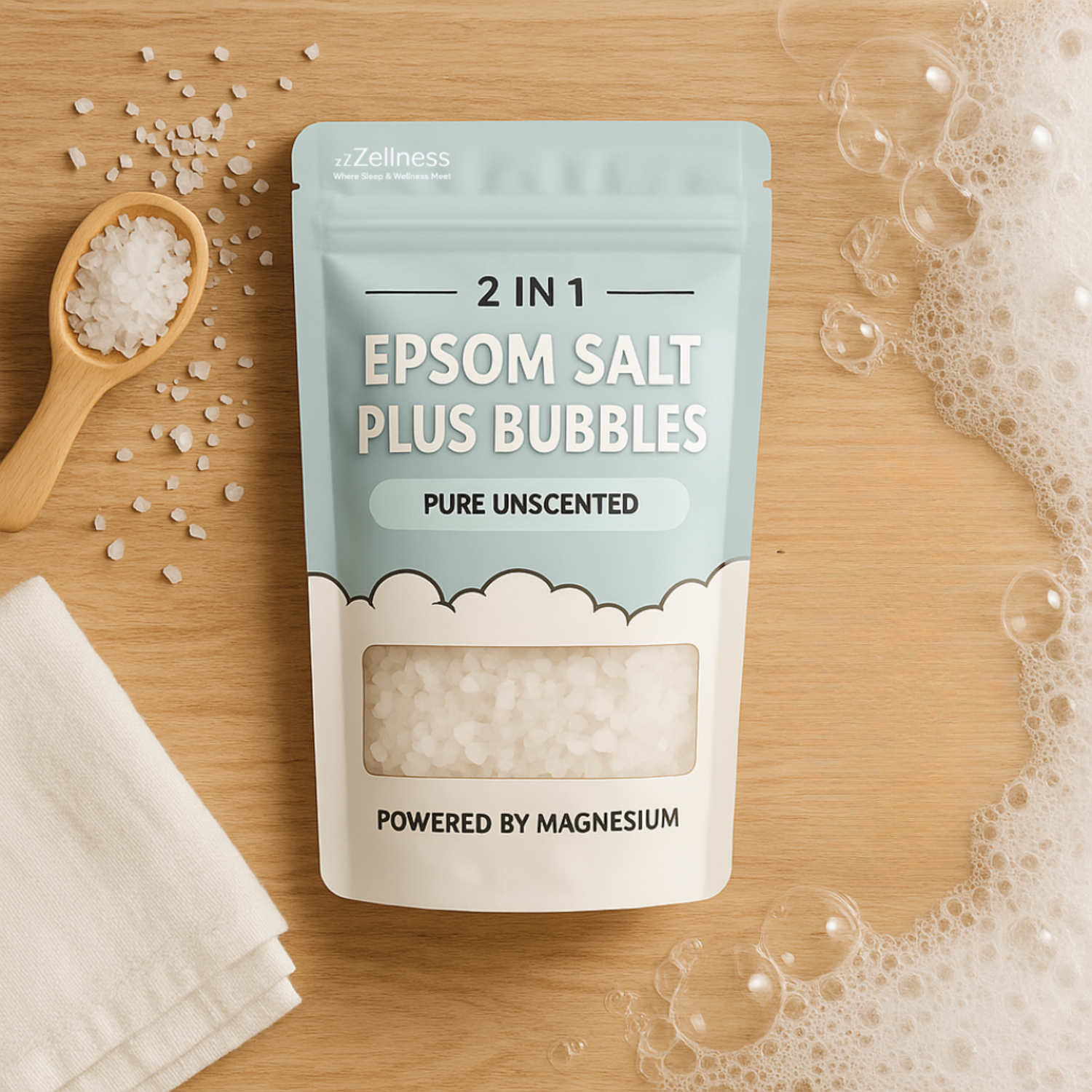
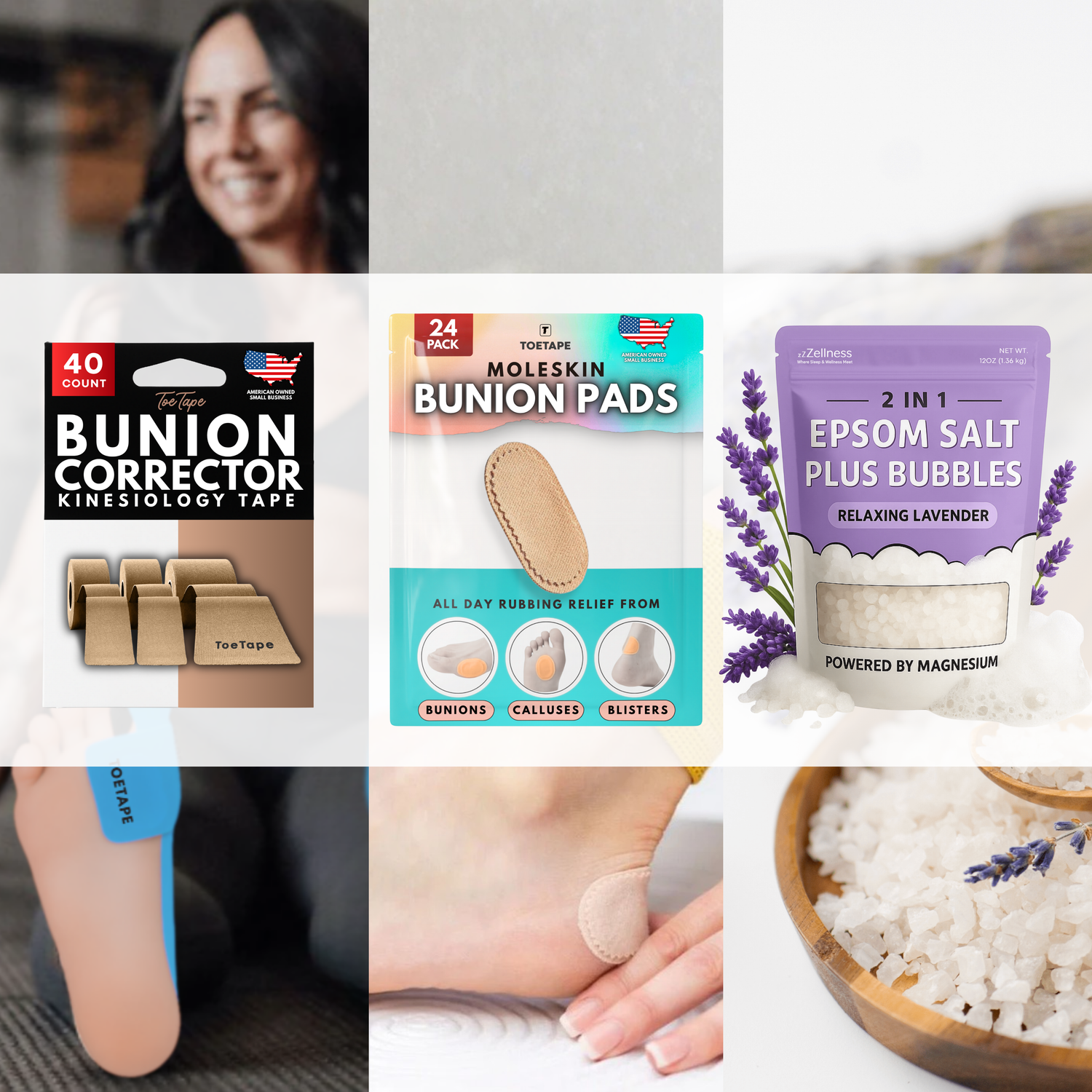
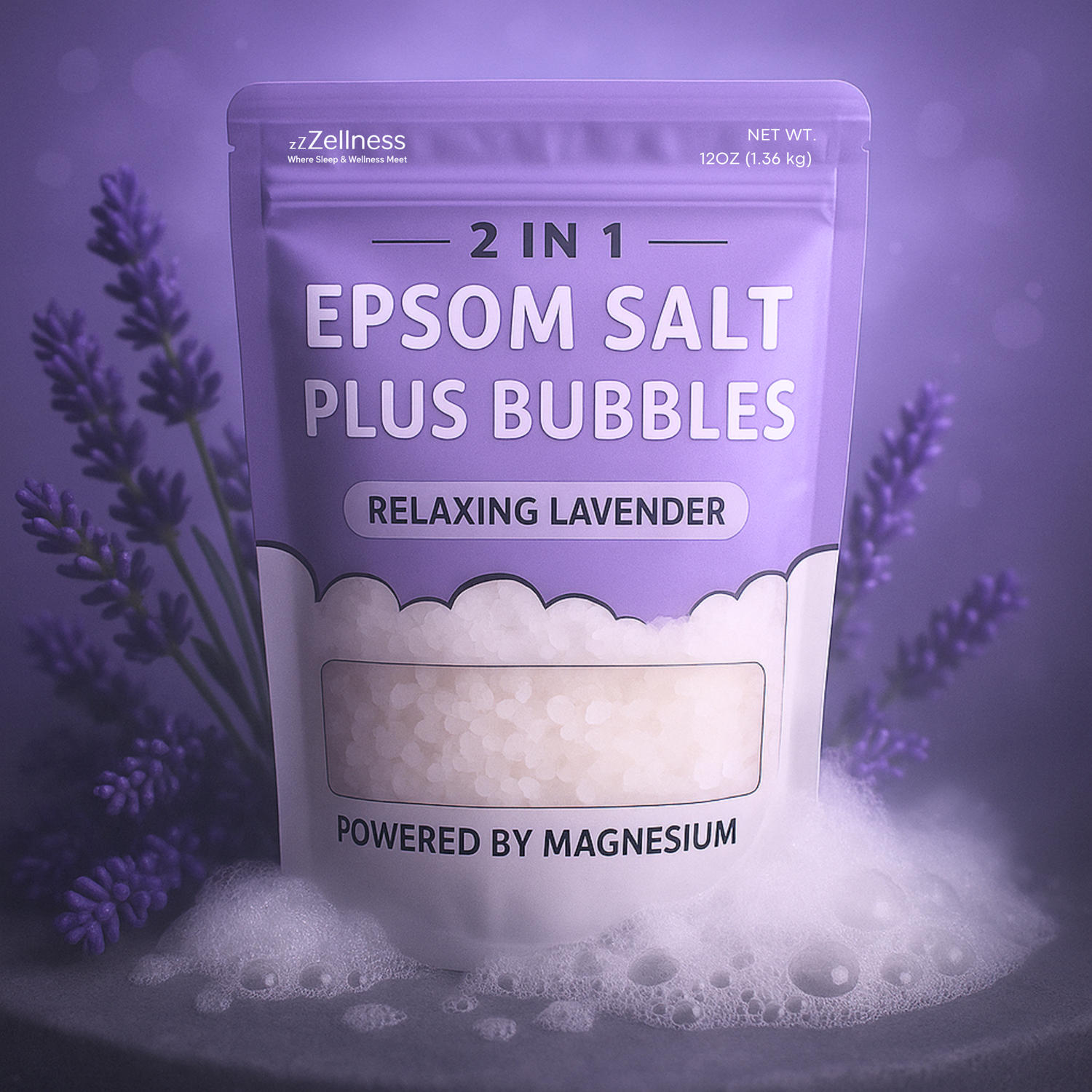
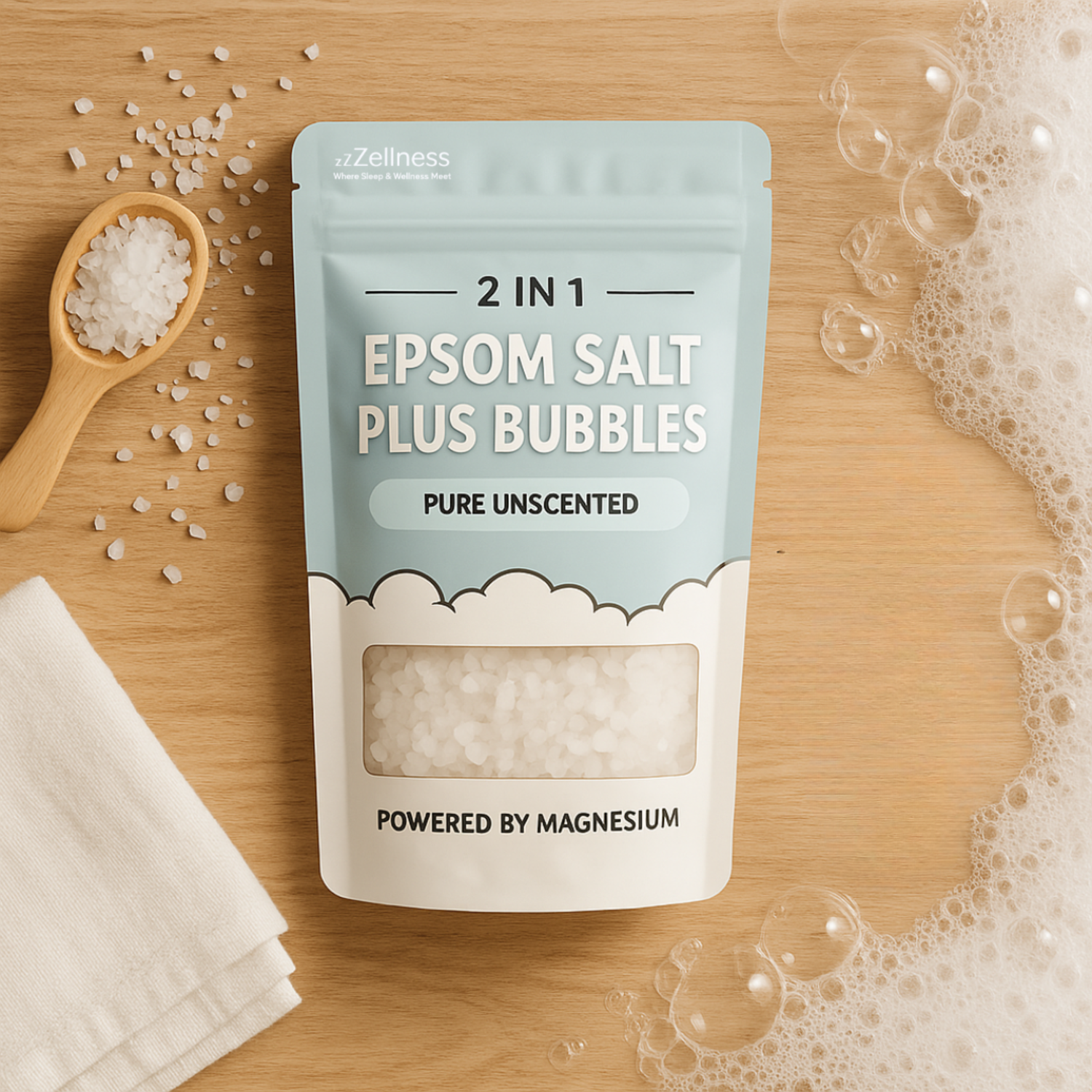
The Bunion Relief Bundle offers a comprehensive approach to foot comfort and recovery, featuring three effective products designed to alleviate pain and support natural alignment. The ToeTape™ Bunion Corrector Tape helps realign the big toe and reduce joint pressure, while the Moleskin Bunion Pads protect against friction and irritation. Additionally, the Epsom Salts + Foaming Bubbles provide a soothing soak to relax sore feet and promote faster recovery after extended periods of activity.
View Product