








Overview
Finding the right shoes is essential for managing bunions, as they can alleviate pain and promote comfort. Key features to look for include a wide toe box, adjustable straps, soft materials, cushioning, and arch support. Consider various types of shoes such as sandals, sneakers, and dress shoes that cater to bunion needs. Always try on shoes at the end of the day for the best fit and replace them when they show signs of wear. Additionally, incorporating exercises and other bunion relief solutions can enhance comfort and support.
Table of Contents
- Understanding Bunions
- The Importance of Proper Footwear
- Key Features to Look For
- The Role of Inserts and Orthotics
- Types of Shoes to Consider
- Sandals
- Sneakers
- Dress Shoes
- Tips for Trying on Shoes
- When to Replace Your Shoes
- Avoiding Common Mistakes
- Additional Solutions for Bunion Relief
- Expert Advice on Managing Bunion Pain
- Stepping Into Comfort and Style
Key Takeaways
- Wide Toe Box: Select shoes with a spacious toe area to minimize pressure on bunions.
- Adjustable Straps: Opt for footwear with adjustable straps for a customizable fit and enhanced comfort.
- Soft Materials: Choose shoes made from soft, flexible materials to prevent irritation on sensitive areas.
- Good Cushioning: Look for shoes that offer ample cushioning to reduce pressure and provide support.
- Arch Support: Ensure the shoes provide adequate arch support to maintain proper foot alignment.
- Try Shoes on Late: Shop for shoes in the evening when your feet are more swollen to ensure a proper fit.
- Regular Replacement: Monitor your shoes for wear and tear, and replace them when they lose support or cushioning.
Finding the right shoes is crucial for anyone dealing with bunions. These painful foot deformities can make even the simplest tasks uncomfortable. Choosing shoes that provide adequate support while minimizing discomfort is essential, especially if you're looking for a bunion relief bundle or other solutions. In this article, we will explore how to choose the right shoes for bunions, focusing on essential features, materials, and styles that can help relieve pain and promote comfort.
Understanding Bunions
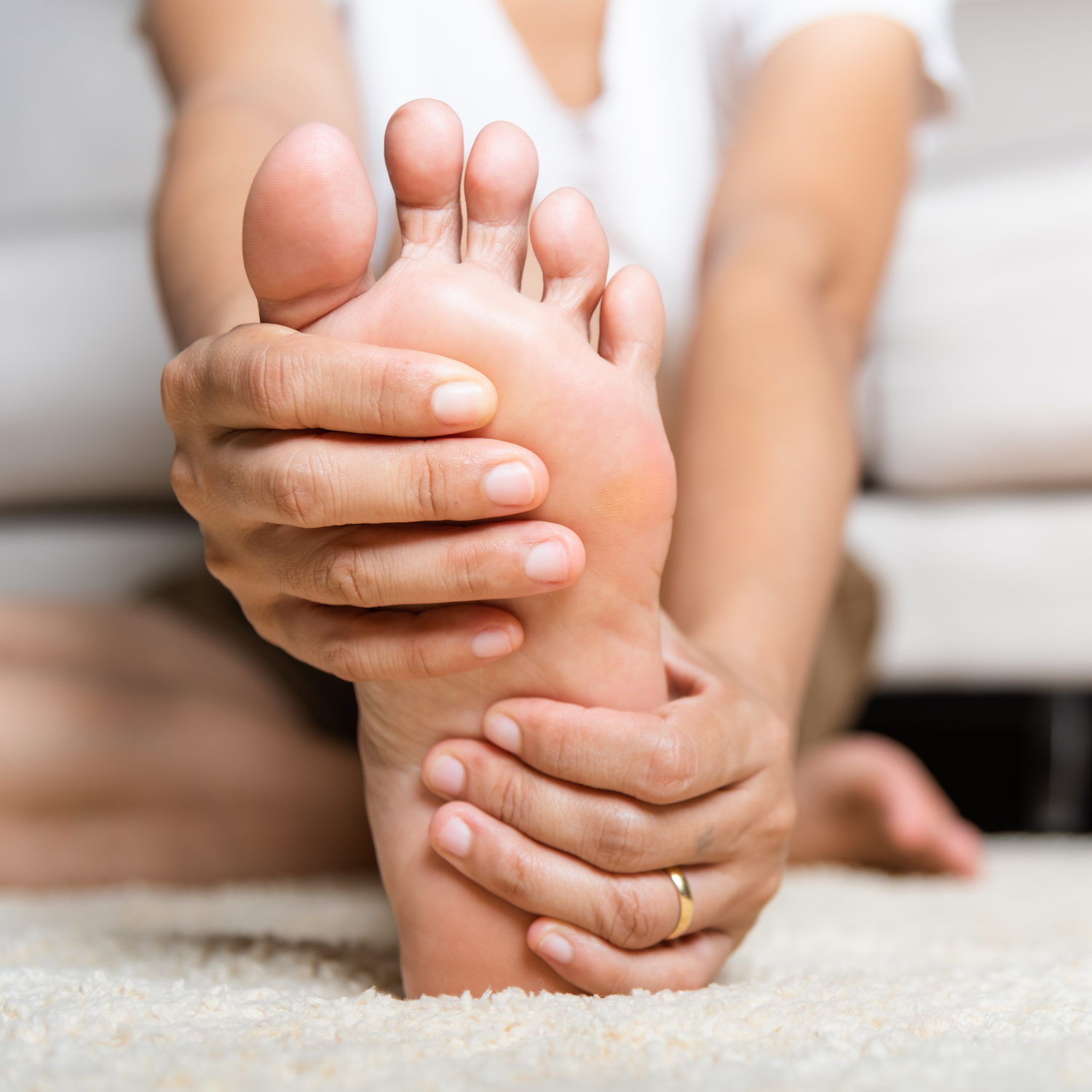
Bunions are characterized by a bony protrusion at the base of the big toe, resulting in not only physical discomfort but also a change in foot structure over time. The misalignment of bones can lead to pressure on the joints and surrounding tissues. This misalignment can be exacerbated by footwear choices, making selecting the right shoes even more critical.
The Importance of Proper Footwear
Wearing the proper footwear is essential for anyone dealing with bunions. The right shoes can significantly affect your overall foot health and comfort level. Poorly fitting shoes may contribute to the progression of bunions, leading to increased pain over time. By selecting shoes specifically designed to accommodate bunions, you can alleviate discomfort and maintain proper foot alignment.
Key Features to Look For
When selecting shoes for bunions, several features should be prioritized. Here are the main characteristics that make a shoe suitable for bunion relief:
- Wide Toe Box: Look for shoes with ample room in the toe area to prevent excessive pressure on bunions.
- Adjustable Straps: Shoes that have adjustable straps can provide added comfort and security, allowing for a more personalized fit.
- Soft Materials: Choose shoes made from soft, flexible materials that won’t rub against or irritate sensitive areas.
- Cushioning: Good cushioning can help reduce pressure on your feet and provide the necessary support, particularly in the arch and heel areas.
- Arch Support: Look for shoes that provide good arch support, essential for maintaining proper foot alignment and alleviating discomfort.
The Role of Inserts and Orthotics
Consider using bunion correctors for men and women, along with custom orthotics or inserts that can be placed inside your chosen shoes. These supplementary devices often provide substantial support and help alleviate pressure on affected areas:
- Orthotics improve overall foot mechanics.
- Inserts can accommodate the shape of your foot better.
- They can provide additional cushioning where it's needed most.
Types of Shoes to Consider
When searching for shoes that provide comfort and support for bunions, consider styles that specifically allow for a more natural foot position. Here are some types of footwear that may help:
Sandals
During warmer months, sandals can be a great option. Look for styles that include:
- A wide strap across the foot that does not place pressure on the bunion.
- A contoured footbed that offers arch support.
- Adjustable straps for optimal fit and comfort.
Sneakers
Cushioned sneakers can be a beneficial everyday choice. Consider:
- A wider toe box to allow natural toe splay.
- Ample cushioning and support in the insole for added comfort.
- Low-cut designs to prevent rubbing against bunions.
Dress Shoes
If you need footwear for a formal or work setting, look for dress shoes that emphasize comfort. Some factors to keep in mind include:
- Soft leather or breathable fabrics that allow flexibility.
- Low heels to promote stability and lessen strain on your feet.
- A roomy design that accommodates your feet without pinching.
Tips for Trying on Shoes
Once you've identified the features you want in your shoe, it’s time to try them on. Here are some expert tips to ensure you find the perfect fit:
- Try Shoes at the End of the Day: Your feet tend to swell throughout the day, making evenings the best time to shop for shoes.
- Stand and Walk: Always test shoes by standing and walking around to evaluate comfort and fit before purchasing.
- Check for Space: There should be enough space at the front of the shoe for your toes to wiggle without feeling cramped.
- Consider Thickness of Socks: Bring along the socks you plan to wear most often to test fit accurately.
When to Replace Your Shoes
Even the best shoes for bunions can lose their supportive features over time. Regularly assess the condition of your footwear. Here are some signs it's time for a new pair:
- Visible wear and tear on the sole or upper materials.
- Lack of cushioning and support where it once existed.
- Unpleasant odors or visible staining that indicates poor hygiene.
Avoiding Common Mistakes
Many individuals make common mistakes when shopping for shoes for bunions. Be sure to avoid:
- Purchasing shoes that are “too small” in hopes they will stretch over time.
- Forgetting about arch support while focusing solely on toe width.
- Ignoring online reviews or recommendations from others who suffer from similar foot issues.
Additional Solutions for Bunion Relief
In addition to proper footwear, consider integrating other solutions for optimal comfort. A bunion relief bundle often includes tools like ice packs, pain relievers, and supportive braces. These items can help you maintain your daily activities without worsening your bunion condition.
Regular foot exercises can also play a significant role in managing bunion pain. Strengthening muscles and improving flexibility can help minimize discomfort related to bunions. Some beneficial exercises include:
- Toe Stretch: Gently pulling your toes away from each other while keeping your foot grounded can help reduce tension.
- Ball Roll: Rolling a small ball under your foot can alleviate tension and stimulate blood flow.
- Foot Arch Strengthening: Practicing picking up small objects with your toes can enhance arch strength over time.
Expert Advice on Managing Bunion Pain
If bunions are causing significant discomfort, consult a healthcare professional. They can provide personalized recommendations based on the severity of your condition. In some cases, more aggressive treatments, such as physical therapy or surgery, may be warranted.
Stepping Into Comfort and Style
Choosing the right shoes for bunions doesn't have to be a challenge. By prioritizing comfort and support, you can maintain an active lifestyle while reducing pain and discomfort. Take time to explore different brands and styles designed to accommodate bunions, and don’t hesitate to invest in additional aids, such as orthotics or inserts. With the right approach, you can reclaim joy in every step and avoid the pitfalls of ill-fitting footwear.
Frequently Asked Questions
1. Why is it important to choose the right shoes for bunions?
2. What key features should I look for in shoes for bunions?
3. What types of shoes are best for individuals with bunions?
4. How can I ensure a proper fit when trying on shoes for bunions?
5. When should I replace my shoes for bunion comfort?
Glossary
| Term | Meaning |
|---|---|
| Bunions | A bony protrusion at the base of the big toe causing discomfort. |
| Wide Toe Box | A shoe design that allows ample room for toes to prevent pressure. |
| Adjustable Straps | Straps that can be modified for a personalized fit and comfort. |
| Soft Materials | Flexible fabrics that reduce irritation on sensitive foot areas. |
| Cushioning | Padded support that alleviates pressure on feet, especially in the arch and heel. |
| Orthotics | Custom inserts designed to improve foot mechanics and provide support. |
| Sandals | Open footwear suitable for warm weather, designed for comfort and support. |
| Sneakers | Casual shoes offering cushioning and support for daily wear. |
| Dress Shoes | Formal footwear emphasizing comfort, flexibility, and stability. |
| Bunion Relief Bundle | A collection of tools and aids designed to alleviate bunion pain. |
Linked Product

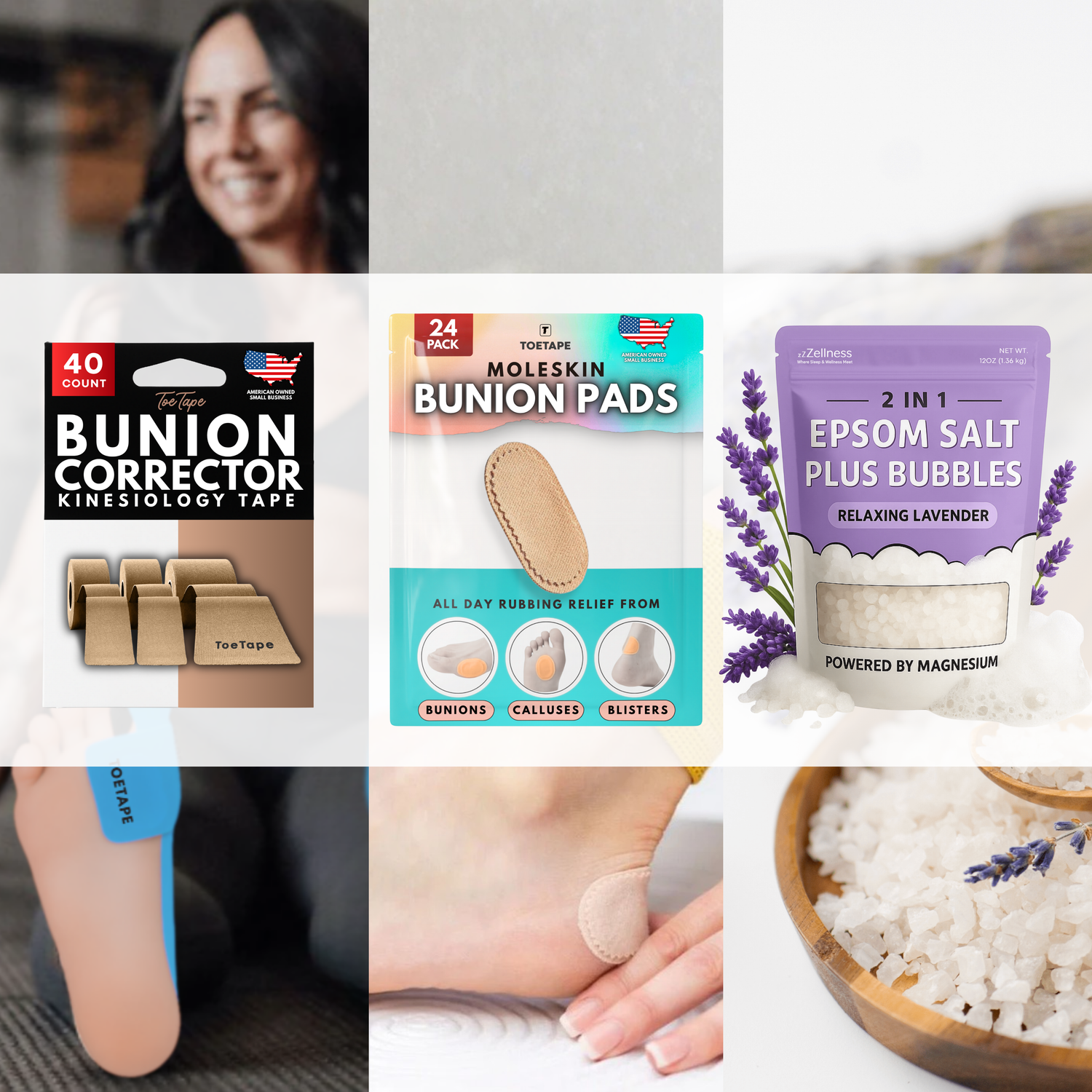
Bunion Relief Bundle
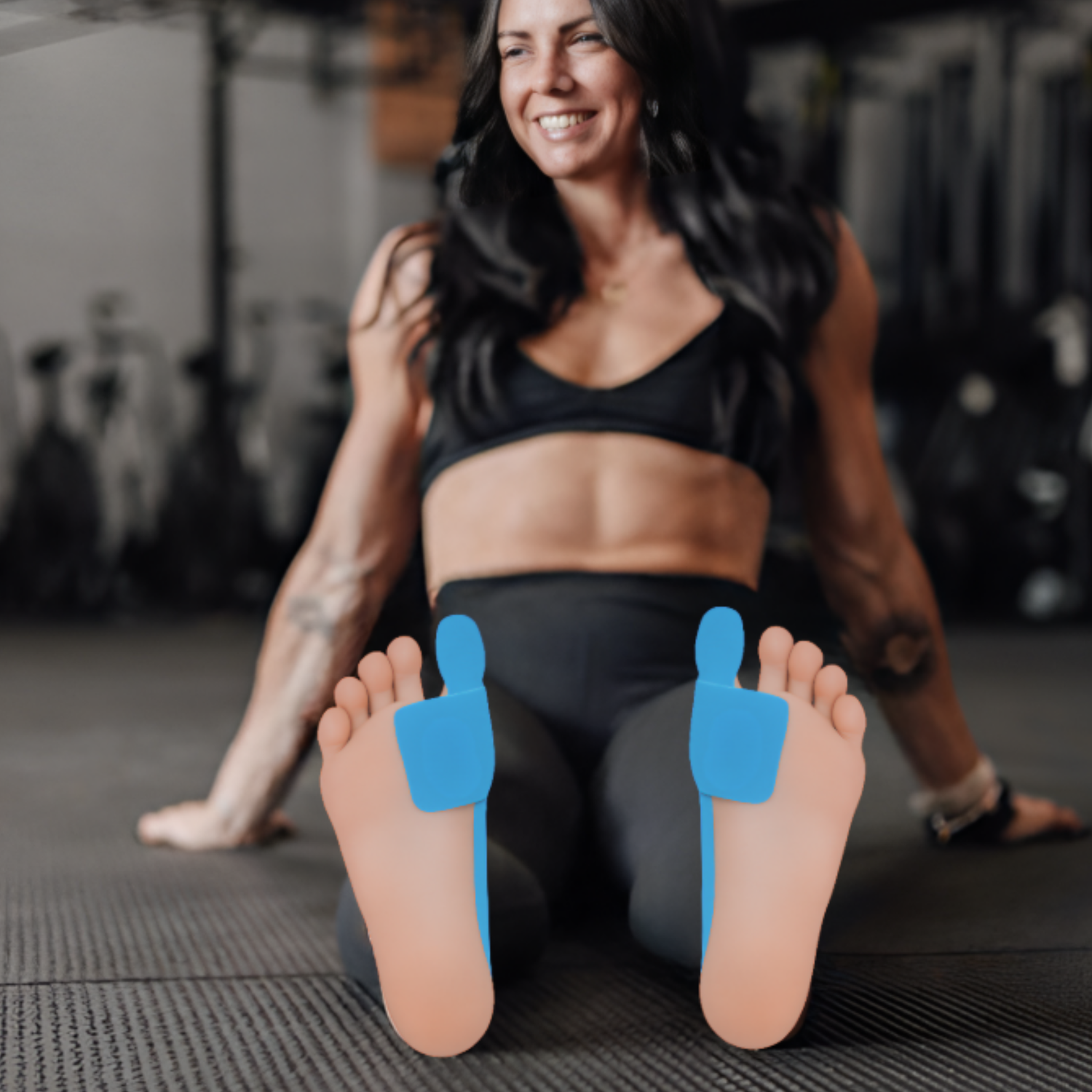
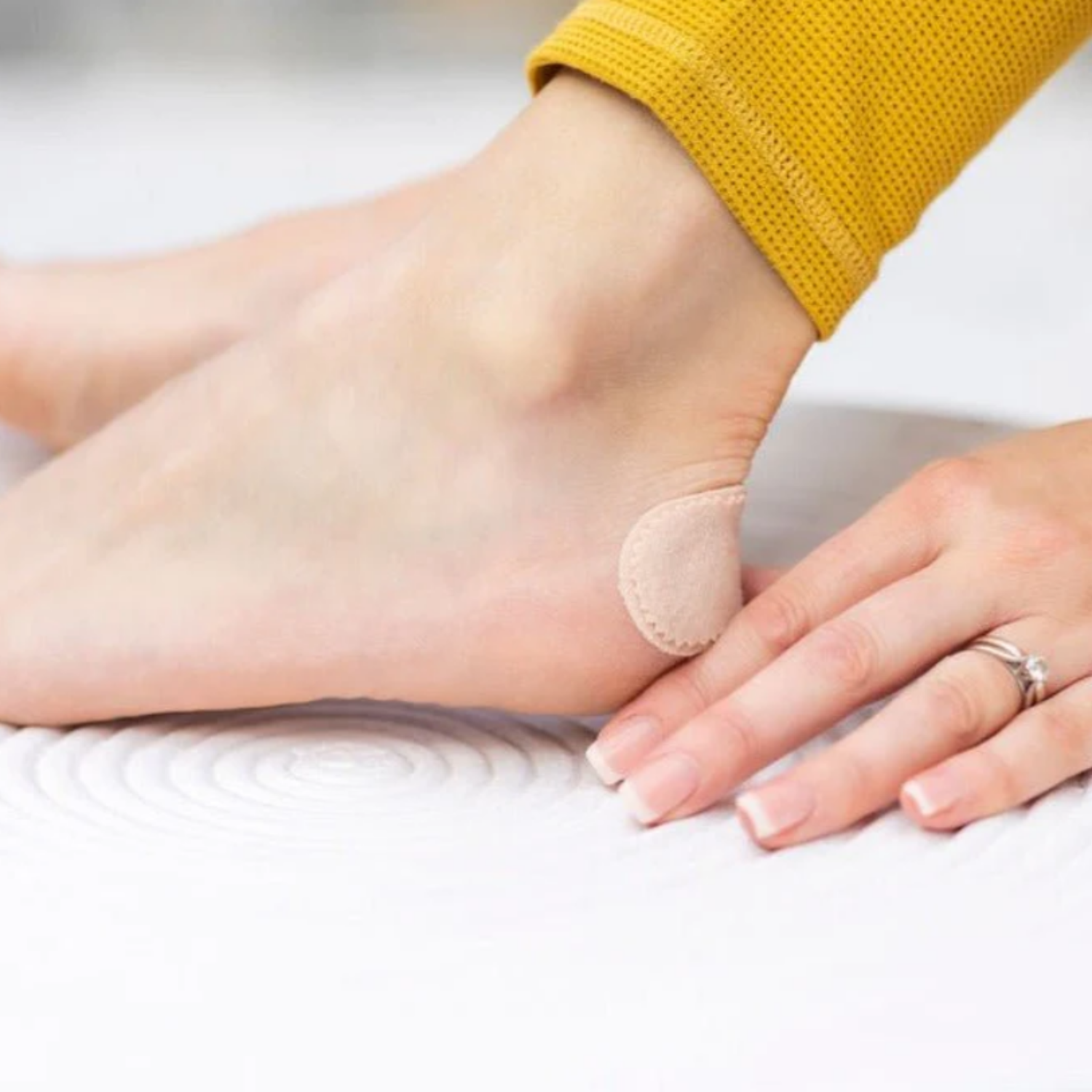
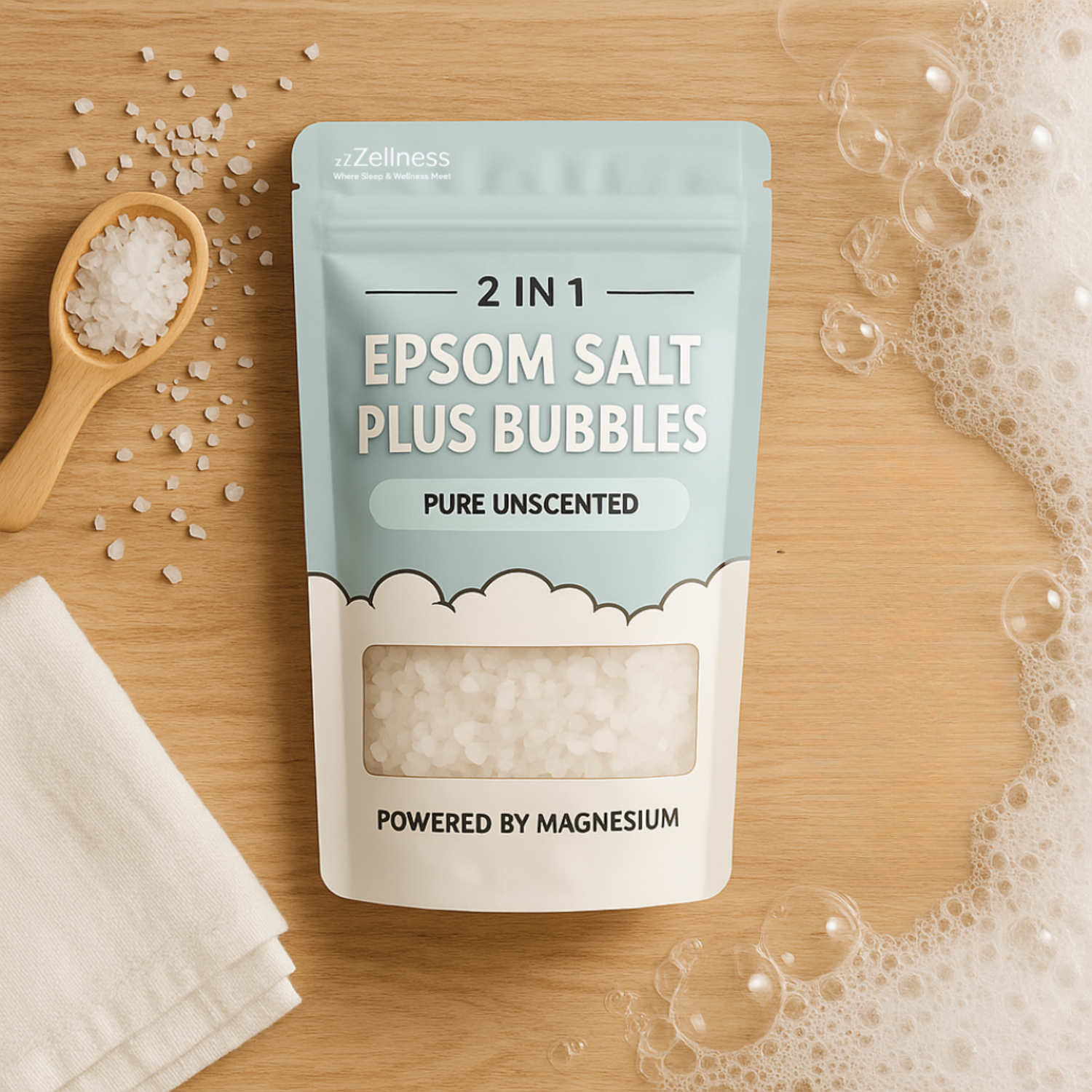
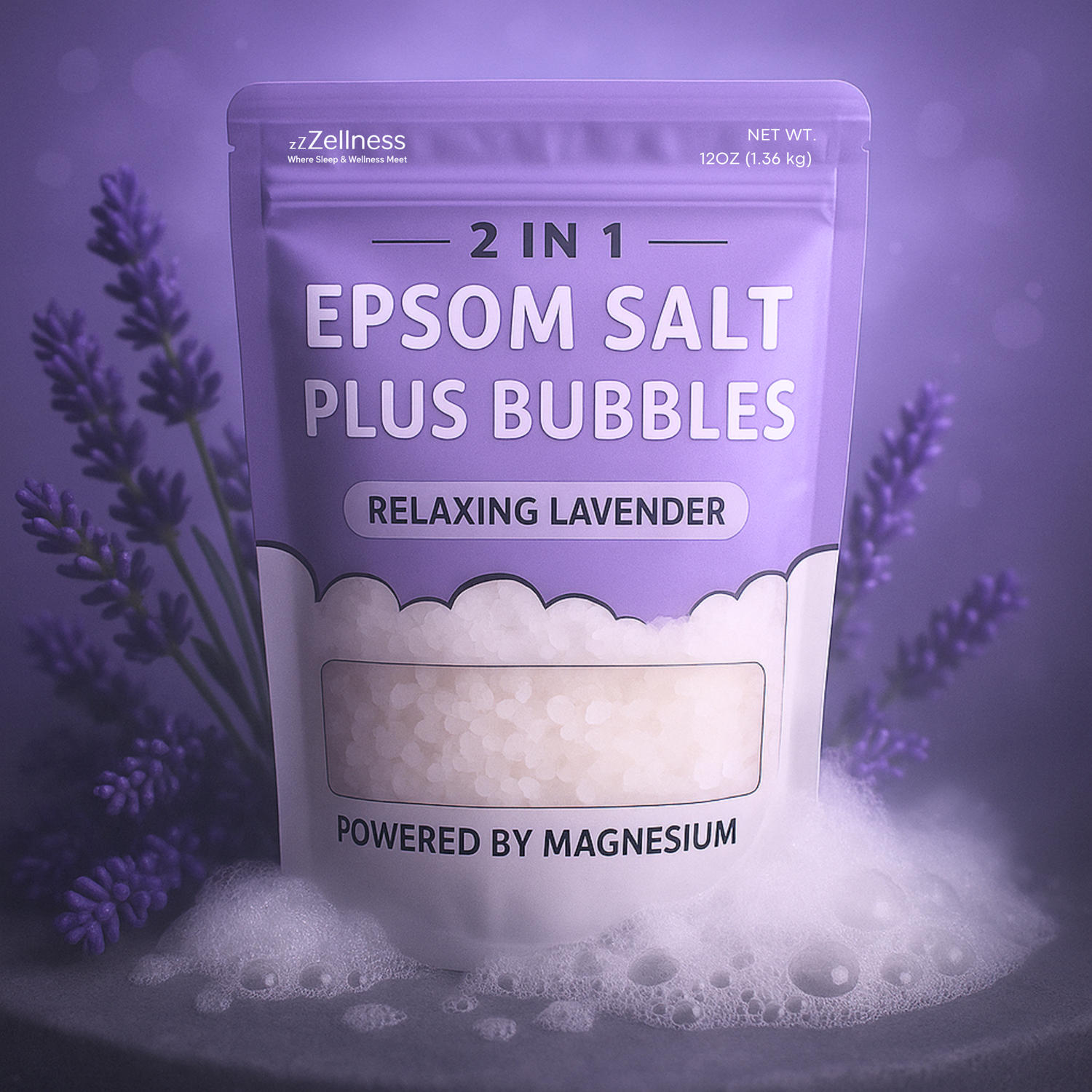
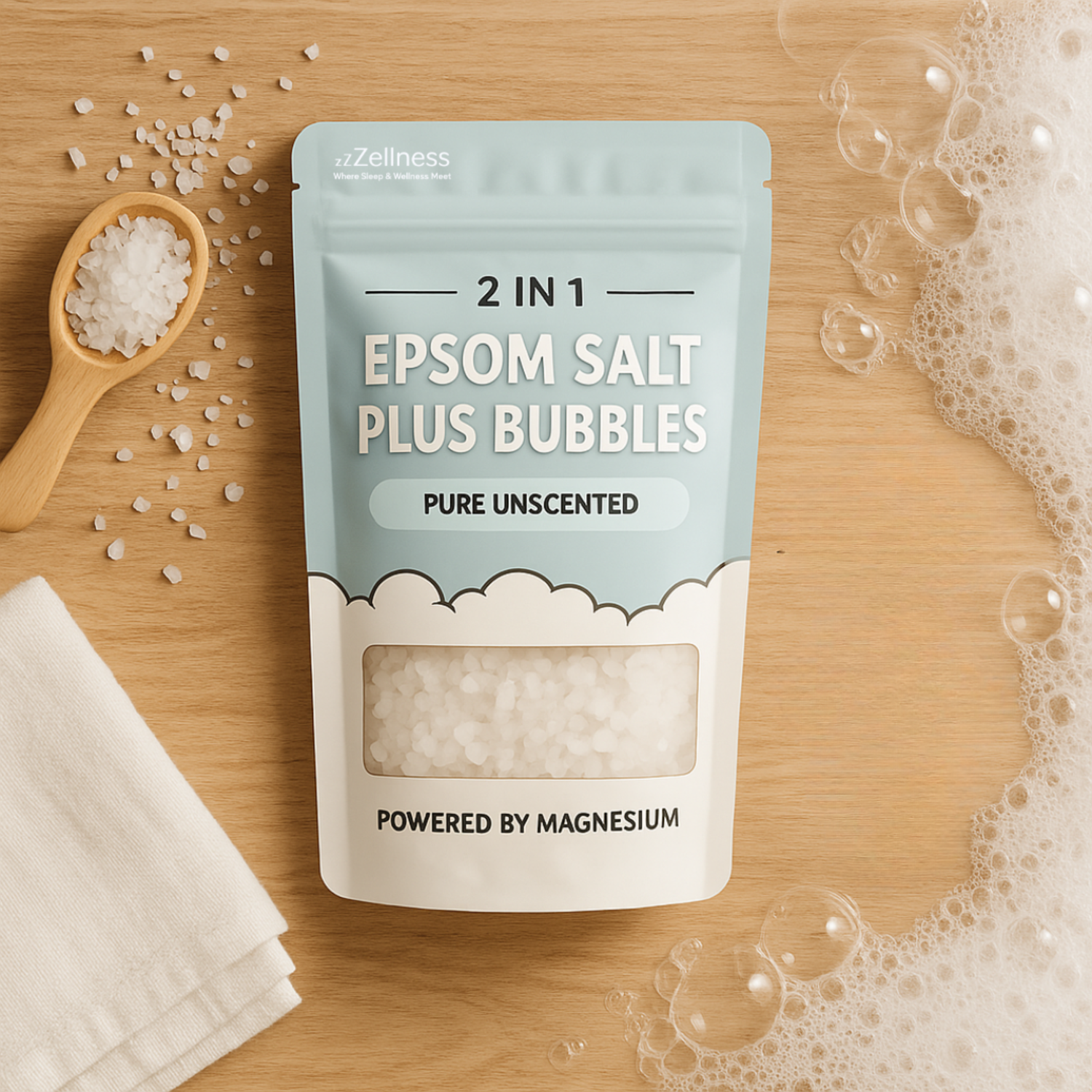
The Bunion Relief Bundle provides a comprehensive approach to foot comfort and recovery, featuring three effective products designed to alleviate pain and prevent rubbing. The bundle includes ToeTape™ for realigning the big toe, Moleskin Bunion Pads for protection against friction, and Epsom Salts + Foaming Bubbles for soothing sore feet. Together, these essentials support natural alignment and promote faster recovery, making them suitable for daily wear or after rigorous activities.
View Product