










Overview
This article emphasizes the importance of foot health, particularly in preventing and relieving bunions. It provides effective exercises such as toe stretches, marble pick-ups, and calf raises to strengthen feet and improve alignment. Additionally, it offers tips on proper footwear, maintaining a healthy weight, and managing bunion pain through ice therapy and foot supports. Regular foot care and consistent exercise can lead to healthier, pain-free feet.
Table of Contents
- Understanding Bunions
- Causes of Bunions
- Effective Exercises for Stronger Feet
- 1. Toe Stretch
- 2. Marble Pick-Up
- 3. Towel Scrunch
- 4. Calf Raises
- Advanced Strengthening Techniques
- 5. Toe Taps
- 6. Ankle Circles
- 7. Resistance Band Exercises
- Incorporating Foot Care into Your Routine
- Combatting Bunion Pain
- Stay Committed to Healthy Feet
Key Takeaways
- Bunions Overview: Bunions are bony bumps at the base of the big toe caused by misalignment, leading to discomfort and difficulty in wearing shoes.
- Causes of Bunions: Key factors include genetics, tight footwear, and improper foot mechanics such as flat feet or low arches.
- Effective Exercises: Incorporate toe stretches, marble pick-ups, towel scrunches, calf raises, toe taps, ankle circles, and resistance band exercises to strengthen feet and alleviate bunion pain.
- Footwear Matters: Choose shoes with adequate support, a wide toe box, and good arch support to help prevent bunion formation.
- Weight Management: Maintaining a healthy weight can reduce pressure on your feet and lower the risk of developing bunions.
- Immediate Pain Relief: Use ice therapy, over-the-counter pain medications, and foot supports for quick relief from bunion pain.
- Consistency is Key: Regularly practicing foot-strengthening exercises is essential for long-term relief and improved foot health.
Our feet carry us through life, but often we take them for granted. With millions of people experiencing bunions, it's crucial to strengthen our feet and prevent these painful afflictions. This article will explore various exercises to help you achieve bunion relief while enhancing your overall foot health. Let’s dive into simple yet effective practices that you can integrate into your daily routine.
Understanding Bunions
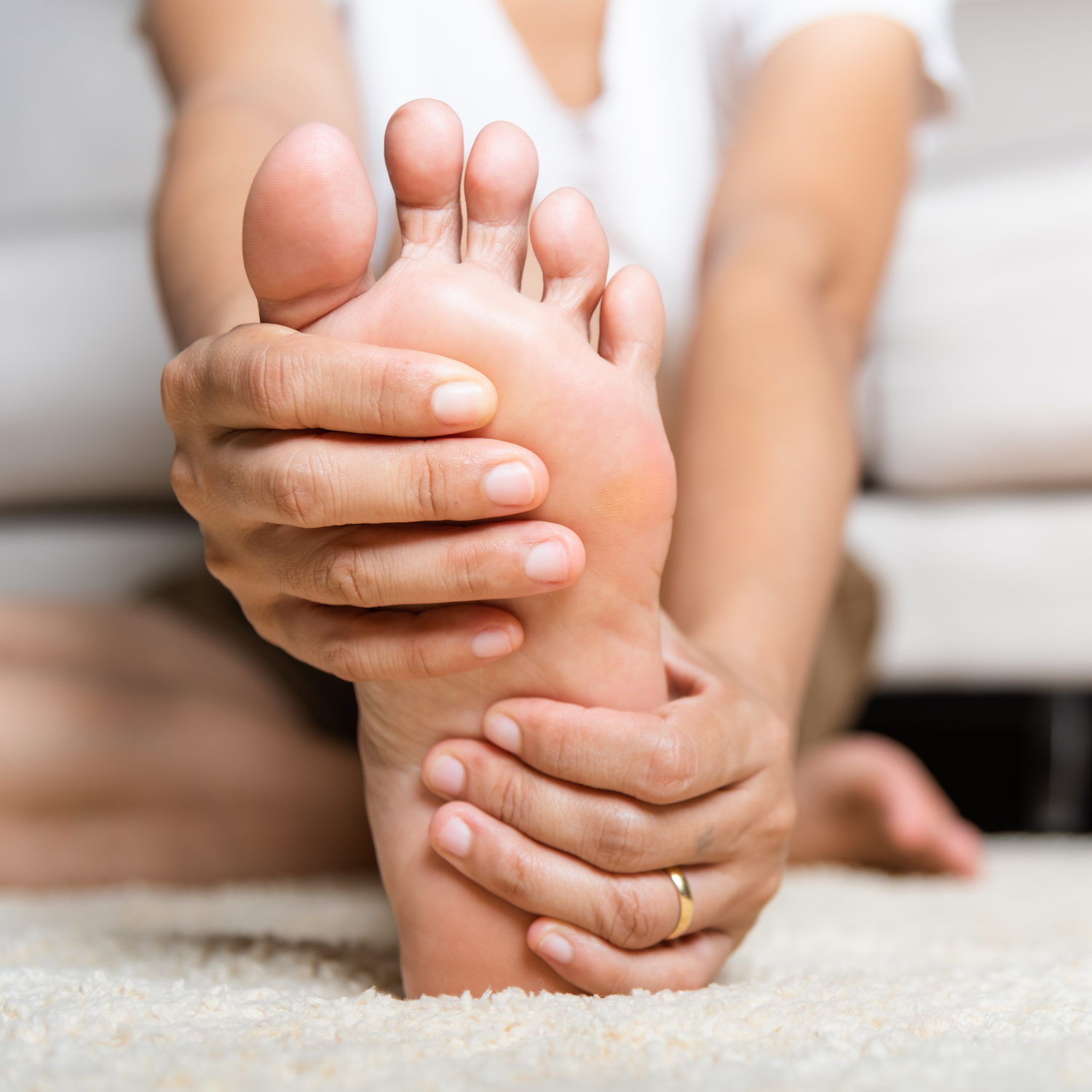
Bunions, or hallux valgus, are bony bumps that form at the base of the big toe. They occur when the big toe pushes against the next toe, causing the joint to stick out. This misalignment not only affects foot appearance but can also lead to discomfort and difficulty in wearing shoes. Understanding the causes of bunions is essential to strengthen your feet and prevent the condition from worsening.
Causes of Bunions
- Genetics: A family history of bunions can increase your likelihood of developing them.
- Footwear: Tight-fitting shoes, especially high heels, can exacerbate bunion formation.
- Foot Mechanics: Flat feet or low arches can contribute to bunion development due to improper foot alignment.
Now that we understand what bunions are and their causes, let’s explore the exercises that can help strengthen your feet and promote bunion relief.
Effective Exercises for Stronger Feet
1. Toe Stretch
Stretching the toes can relieve tension and improve their flexibility. This exercise can also help realign the big toe, promoting a more natural position.
- Sit comfortably in a chair or on the floor.
- Place your foot on your opposite knee.
- Using your hands, gently pull your big toe away from your other toes.
- Hold this stretch for 15-30 seconds. Repeat 3-5 times on each foot.
2. Marble Pick-Up
This exercise helps strengthen the muscles in your toes and improve your dexterity. It’s a great way to assist in correcting foot posture, which can alleviate bunion pain.
- Place 10-15 marbles (or small balls) on the floor.
- Using only your toes, pick up each marble and place it in a container.
- Repeat until all marbles have been transferred.
3. Towel Scrunch
The towel scrunch is excellent for building strength and flexibility in your foot muscles. This engaging exercise can help combat the effects of bunion formation.
- While seated, place a towel flat under your feet.
- Using your toes, scrunch the towel toward you, while keeping your heel on the ground.
- Repeat 10-15 times for each foot.
4. Calf Raises
Calf raises strengthen the lower leg muscles, which play a crucial role in the overall function of your feet. Improved calf strength can significantly aid in foot alignment.
- Stand upright, feet shoulder-width apart.
- Slowly raise your heels off the ground, balancing on your toes.
- Hold for a few seconds and gently lower back down.
- Repeat 10-15 times.
Advanced Strengthening Techniques
5. Toe Taps
Toe taps are a straightforward exercise that enhances coordination and strengthens the intrinsic muscles of your feet. This exercise can help mitigate the development of bunions.
- Sit on a chair with your feet flat on the ground.
- Lift your toes while keeping your heels on the floor, tapping the ground with your toes.
- Perform this for 30-60 seconds, then switch to lifting your heels while keeping your toes down.
6. Ankle Circles
Ankle mobility is vital for foot health. Ankle circles can increase flexibility in the ankle joint and improve stability, playing a crucial role in bunion bunion relief.
- Sit comfortably in a chair with one foot lifted off the ground.
- Rotate your ankle in circular motions, clockwise and then counter-clockwise.
- Do this for 10-15 seconds in each direction, then switch feet.
7. Resistance Band Exercises
Using a resistance band can further enhance foot and toe strength. This exercise helps provide resistance to build muscle while promoting flexibility.
- Place a resistance band around your toes.
- Gently pull your toes outward against the band.
- Hold the stretch for a few seconds before releasing.
- Repeat this 10-15 times on each foot.
Incorporating Foot Care into Your Routine
In addition to exercises, consider the following tips to enhance your foot care routine and help prevent bunions:
- Choose Proper Footwear: Invest in shoes that provide adequate support, a wide toe box, and good arch support to help prevent bunion formation.
- Maintain a Healthy Weight: Excess weight can put added pressure on your feet, contributing to bunion development.
- Regular Foot Soaks: Soothing foot baths can reduce inflammation and promote relaxation after a long day.
Combatting Bunion Pain
If you are already experiencing bunion pain, try the following recommendations for immediate relief:
- Ice Therapy: Apply ice packs to the affected area for 15-20 minutes to reduce swelling and alleviate discomfort.
- Over-the-Counter Pain Medications: Nonsteroidal anti-inflammatory drugs (NSAIDs) can offer temporary relief from pain and inflammation.
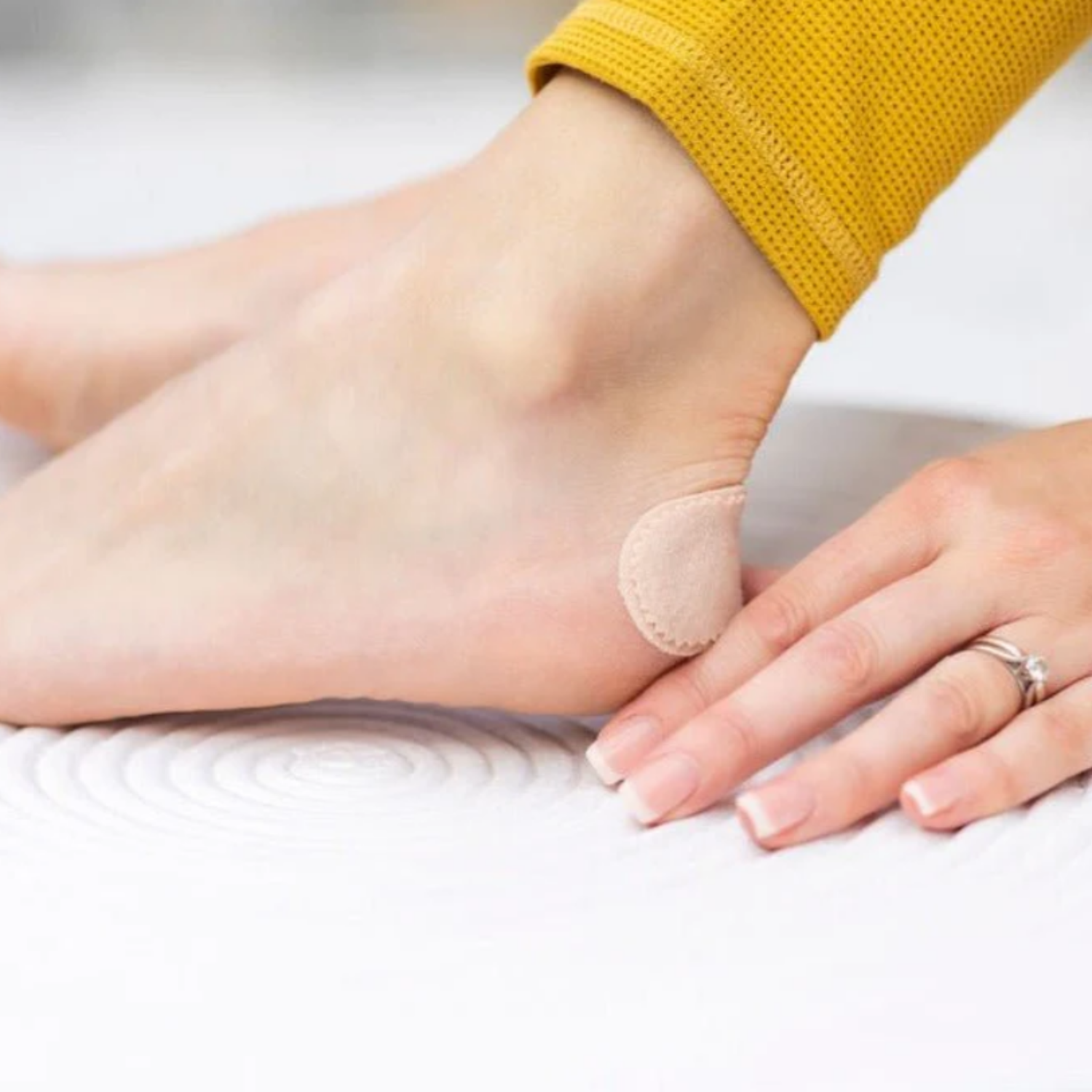
- Foot Supports: Arch supports or bunion pads can provide cushioning and help correct foot alignment.
While these measures can help, incorporating the exercises mentioned earlier into your routine can offer long-term bunion relief and improve the overall strength of your feet.
Stay Committed to Healthy Feet
Strengthening your feet is a vital component of your overall health. The exercises provided in this article are simple yet effective approaches to enhancing foot strength and preventing bunions. Whether you're experiencing mild discomfort or seeking to maintain your foot health, consistency is key. Make these exercises a regular part of your daily routine, and you'll enjoy not only pain-free feet but also improved mobility and vitality. By prioritizing your foot care today, you pave the way for a brighter, more active tomorrow. Remember, every step counts!
Frequently Asked Questions
1. What are bunions and what causes them?
2. What exercises can help relieve bunion pain?
3. How do I properly do a toe stretch exercise?
4. What should I look for in footwear to prevent bunions?
5. What immediate relief can I seek if I experience bunion pain?
Glossary
| Term | Meaning |
|---|---|
| Bunions | Bony bumps at the base of the big toe caused by misalignment. |
| Hallux Valgus | Medical term for bunions, referring to the deviation of the big toe. |
| Toe Stretch | Exercise to improve toe flexibility and realignment. |
| Marble Pick-Up | Exercise for toe strength and dexterity by picking up marbles. |
| Towel Scrunch | Exercise that strengthens foot muscles by scrunching a towel. |
| Calf Raises | Exercise to strengthen lower leg muscles and improve foot alignment. |
| Toe Taps | Exercise to enhance coordination and strengthen foot muscles. |
| Ankle Circles | Exercise to improve ankle mobility and stability. |
| Resistance Band Exercises | Exercises using bands to build foot and toe strength. |
| Foot Care | Practices to maintain foot health and prevent bunions. |
Linked Product

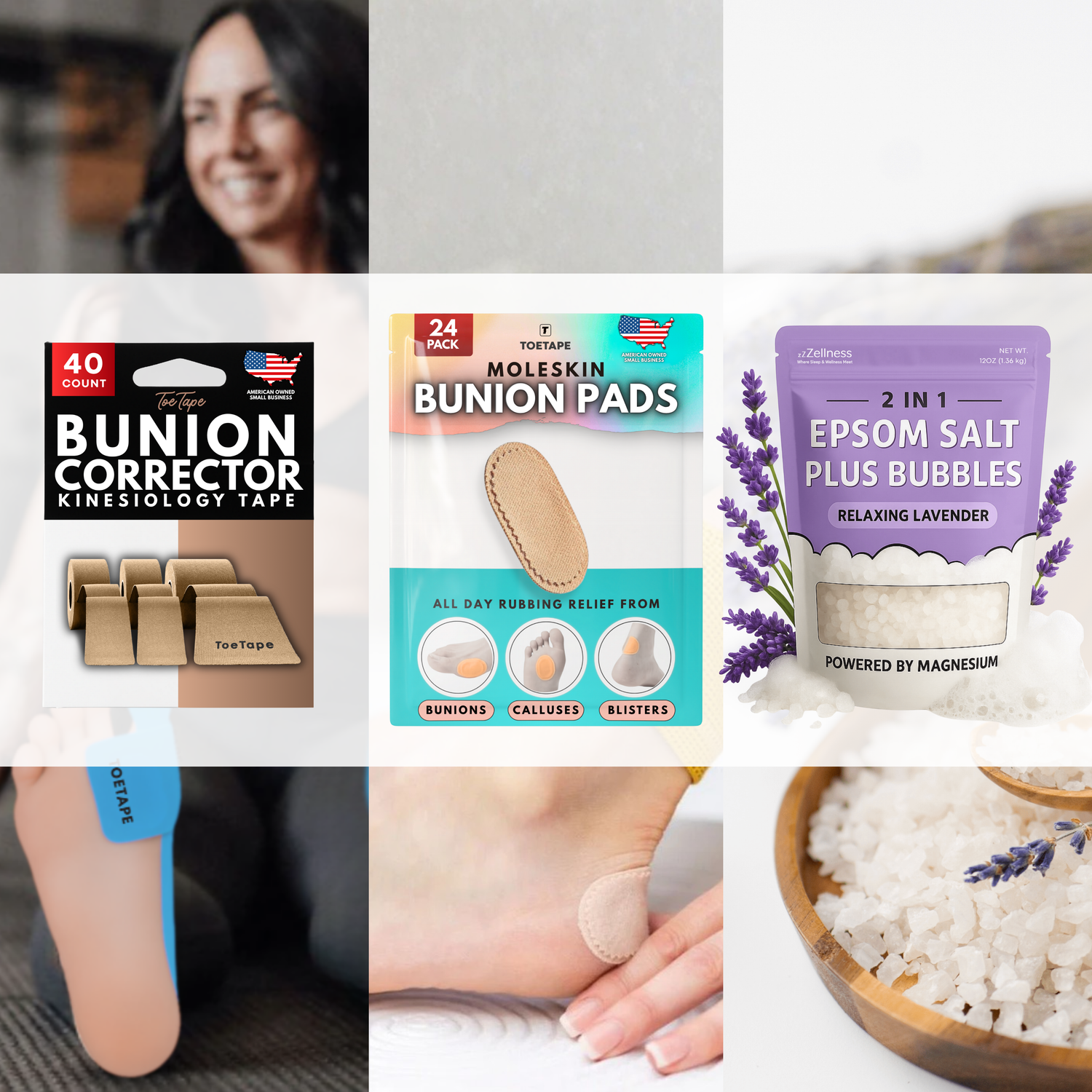
Bunion Relief Bundle
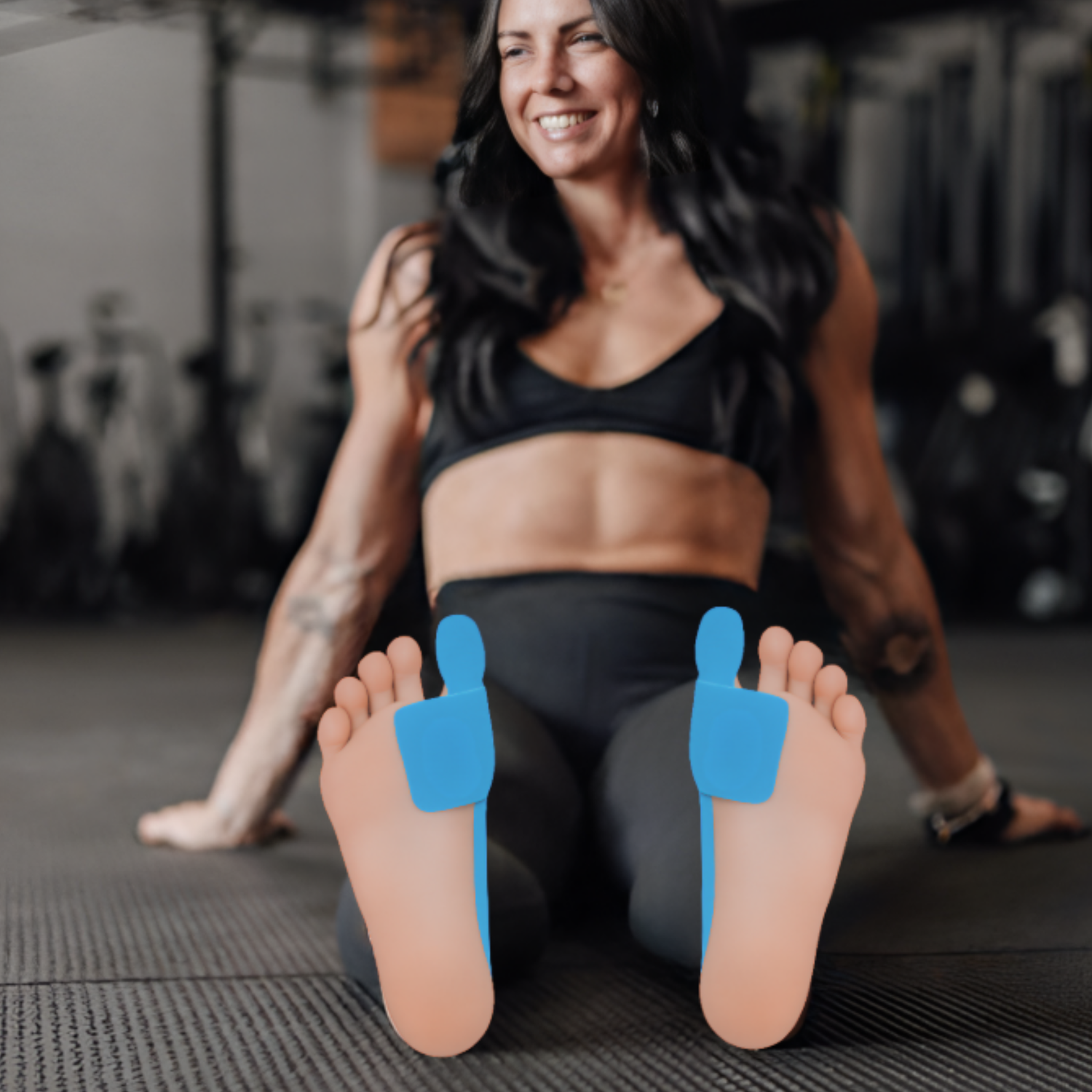
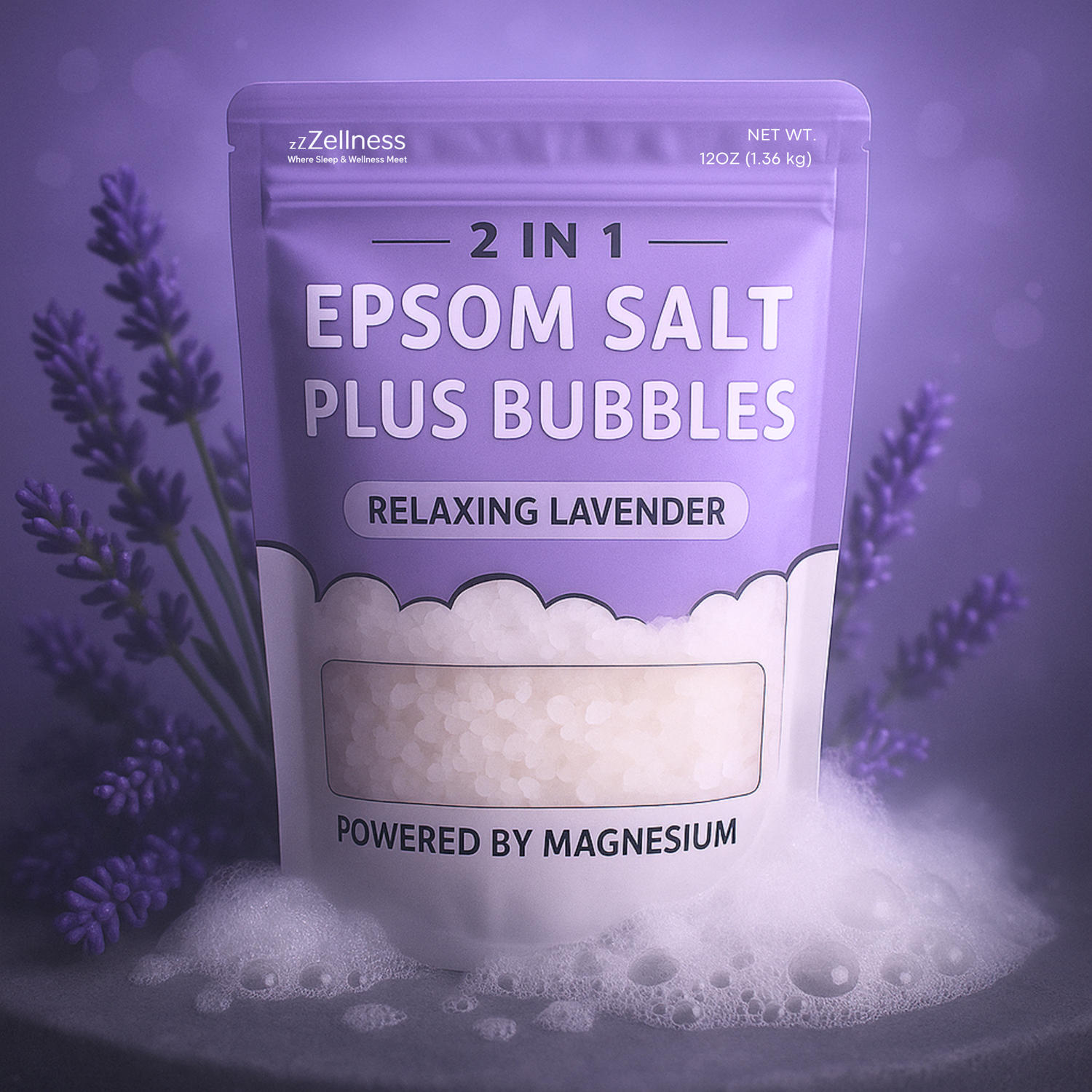
The Bunion Relief Bundle offers a comprehensive approach to foot comfort and recovery, making it suitable for anyone on their feet for extended periods or engaging in intense training. This bundle includes ToeTape™ for realigning the big toe, Moleskin Bunion Pads for protection against friction, and Epsom Salts + Foaming Bubbles to relax sore feet and reduce inflammation. Together, these products aim to alleviate pain and support natural alignment, promoting overall foot health.
View Product