








Overview
This article addresses the common issue of bunion pain, particularly among women, and offers effective physical therapy techniques for relief. Readers will learn about the causes and symptoms of bunions, various therapeutic exercises, the importance of proper footwear, and additional home remedies to manage discomfort. By implementing these strategies, individuals can enhance their foot health and regain mobility, ultimately improving their quality of life.
Table of Contents
- Understanding Bunions: What You Need to Know
- Causes of Bunions
- Symptoms of Bunions
- Physical Therapy Techniques for Bunion Pain Management
- Foot Exercises
- Manual Therapy Techniques
- Footwear Education and Modifications
- Bunion Splints and Correctors
- Cold and Heat Therapy
- Physical Activity Adjustments
- The Role of a Physical Therapist
- When to Consider Surgery
- Home Remedies for Additional Bunion Relief
- Stay Proactive: Maintaining Foot Health
- A Bright Future: Embracing Comfort and Mobility
Key Takeaways
- Bunions are a common foot condition characterized by the big toe deviating towards the second toe, causing pain and discomfort.
- Footwear choices play a significant role in bunion development; narrow or high-heeled shoes can exacerbate the issue.
- Physical therapy techniques such as foot exercises, manual therapy, and proper footwear education can effectively manage bunion pain.
- Cold and heat therapy can provide immediate relief from bunion pain and reduce swelling.
- Consulting a physical therapist can help create personalized exercise plans and provide guidance on footwear and activity modifications.
- Surgical options should be considered if conservative treatments fail to alleviate severe pain and mobility issues.
- Proactive foot care including regular assessments, consistent exercise, and proper hygiene can help prevent bunion pain from recurring.
Bunion pain can be a significant issue for many people, especially women who often experience discomfort due to footwear choices. Thankfully, various physical therapy techniques can help manage this pain effectively. In this article, we will explore several strategies for bunion relief, emphasizing techniques that can empower you to regain comfort and mobility.
Understanding Bunions: What You Need to Know
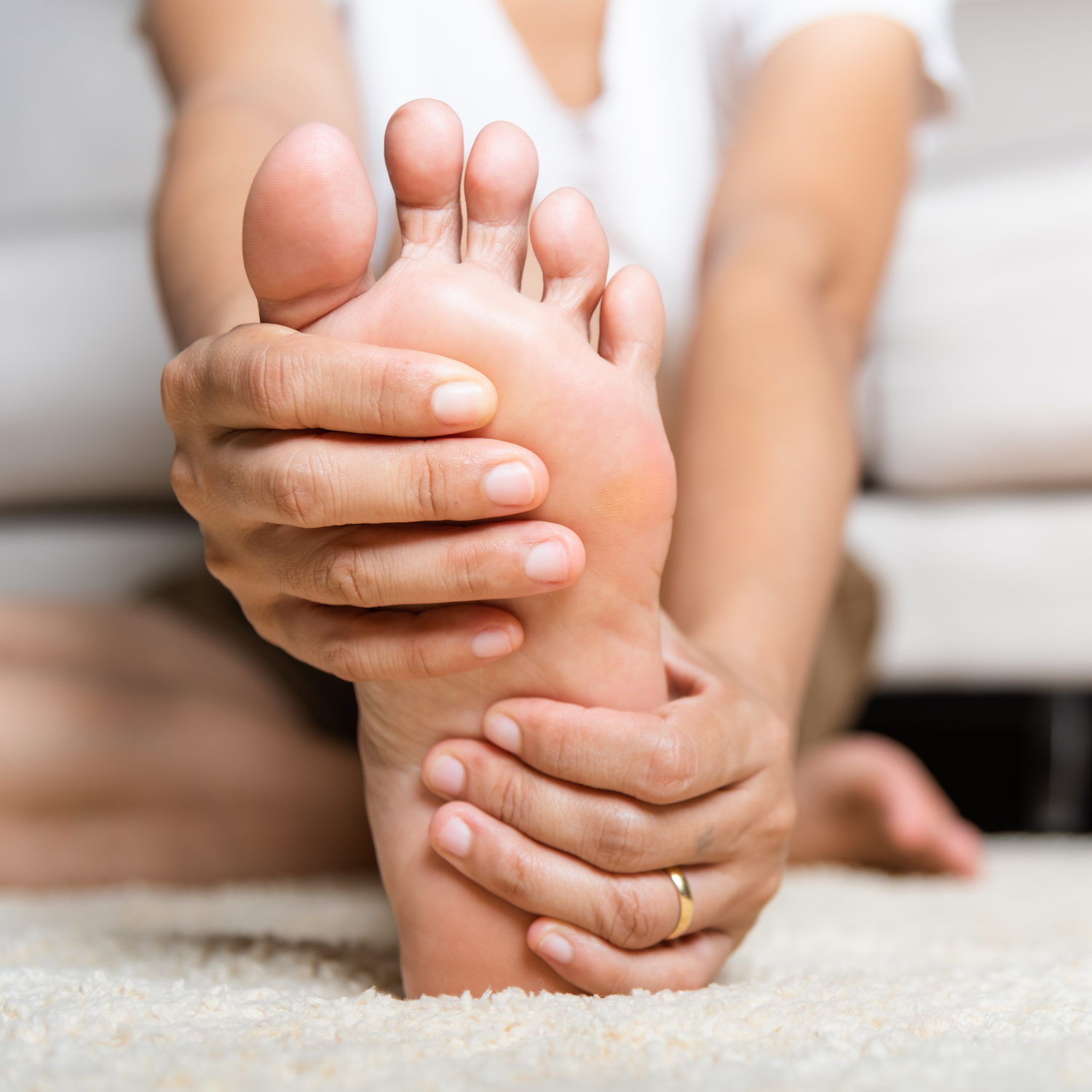
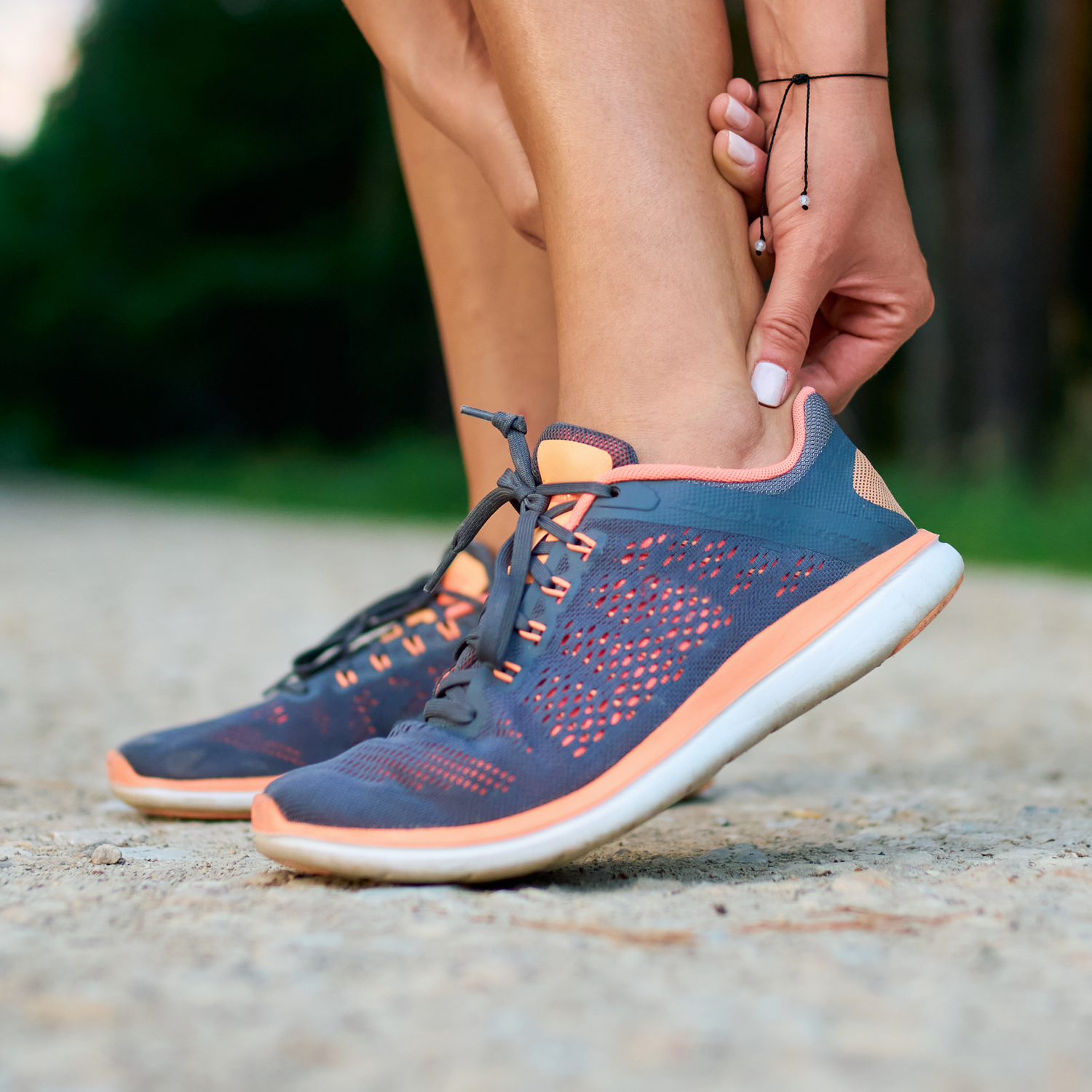
Bunions, medically known as hallux valgus, occur when the big toe deviates toward the second toe, leading to a bony protrusion on the side of the foot. This misalignment can cause pain and swelling, making it challenging to find comfortable footwear. While bunions can affect anyone, they are more prevalent among women, often exacerbated by tight shoes. Understanding the causes and symptoms of bunions is crucial for effective management.
Causes of Bunions
- Genetics: A family history of bunions may increase your risk.
- Footwear: Wearing narrow or high-heeled shoes can contribute to bunion formation.
- Flat Feet: Individuals with flat feet may be more prone to developing bunions.
- Arthritis: Inflammatory joint diseases can lead to bunion development over time.
Symptoms of Bunions
The discomfort associated with bunions can manifest in several ways, including:
- Swelling and redness at the base of the big toe
- Pain that worsens with activity or prolonged standing
- Difficulty wearing shoes comfortably
- Development of corns or calluses
Physical Therapy Techniques for Bunion Pain Management
Physical therapy can play a vital role in bunion management. The following techniques aim to reduce pain, improve foot function, and enhance overall mobility.
Foot Exercises
Strengthening and stretching exercises can improve the alignment of your toes and reduce bunion pain. Here are some effective exercises to consider:
- Towel Scrunch: Sit with your feet flat on the floor. Place a towel under your toes and use your toes to scrunch the towel toward you. This exercise strengthens the intrinsic muscles of the foot.
- Toe Separators: Using a bunion corrector for women big toe or toe separators can help stretch the muscles between your toes, reducing tightness and pain.
- Ball Roll: Sit on a chair and place a small ball underneath your foot. Roll the ball back and forth for a few minutes to massage the arch and improve circulation.
- Big Toe Stretch: Sit down, cross one leg over the other, and gently pull the big toe away from the second toe while keeping your foot flat. Hold the stretch for 15-30 seconds.
Manual Therapy Techniques
Manual therapy, often performed by a physical therapist, can provide significant relief for bunion pain. Techniques include:
- Soft Tissue Mobilization: This technique involves applying gentle pressure to the soft tissues of the foot to reduce tension and improve blood flow.
- Joint Mobilization: A therapist may use joint mobilization techniques to increase the range of motion in the toe joint and reduce stiffness.
- Myofascial Release: This technique focuses on relieving tension in the fascia, which can help alleviate pain associated with bunions.
Footwear Education and Modifications
Choosing the right footwear is crucial in managing bunion pain. Ill-fitting or narrow shoes can exacerbate the condition. Here are some tips for selecting better footwear:
- Choose Wider Shoes: Look for shoes with a wider toe box to prevent pressure on the bunion.
- Avoid High Heels: Opt for low-heeled shoes that offer better balance and reduce pressure on the big toe.
- Supportive Insoles: Utilizing orthotic insoles can help provide proper arch support and alignment.
- Flexibility: Choose shoes that have enough flexibility to allow natural foot movement.
Bunion Splints and Correctors
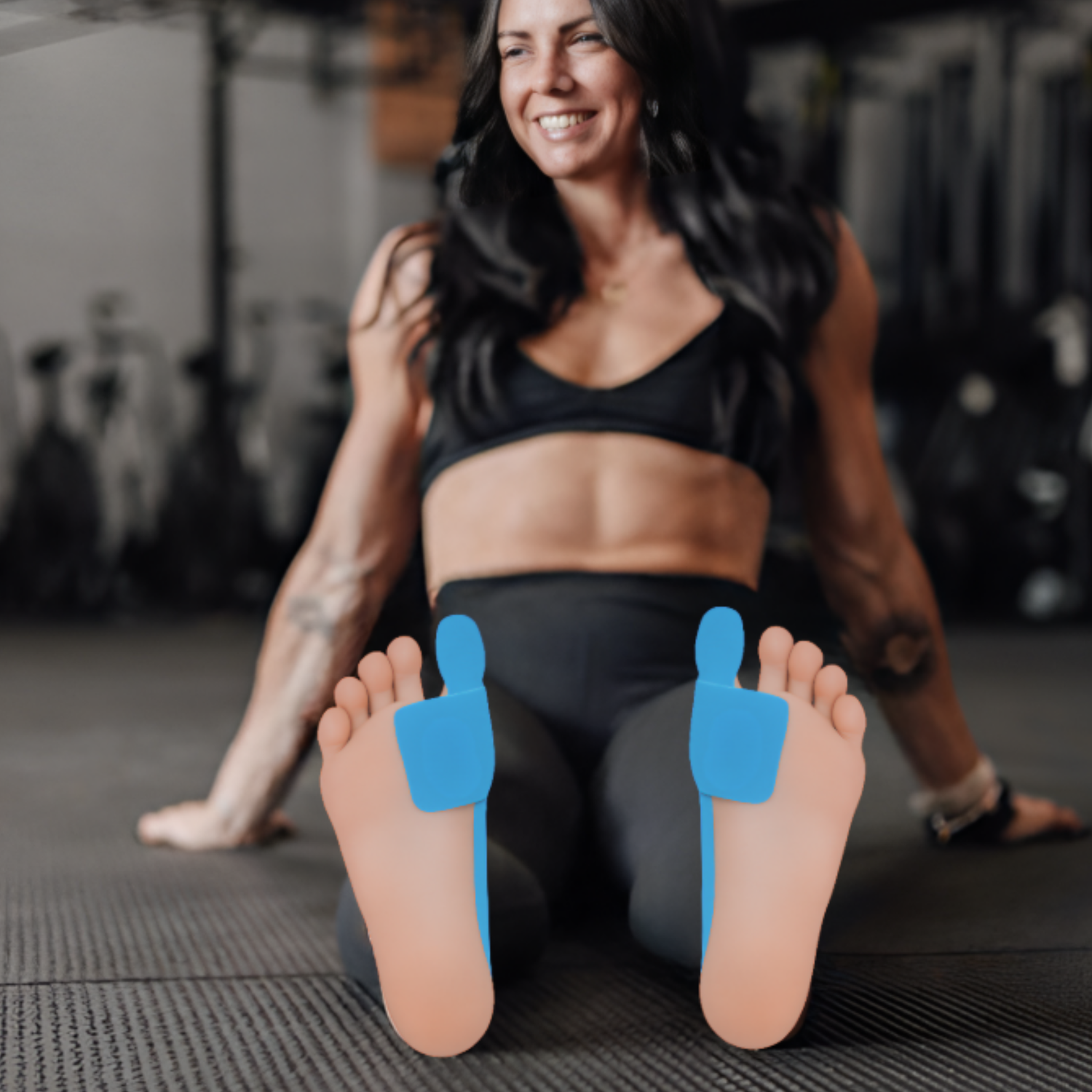
Utilizing devices such as bunion correctors can help realign the toes and provide gentle support during the night. These devices help alleviate pressure and reduce pain experienced during the day.
Cold and Heat Therapy
Applying cold or heat can provide significant relief from bunion pain:
- Cold Therapy: Use an ice pack wrapped in a cloth for 15-20 minutes to help reduce swelling and numb pain.
- Heat Therapy: A warm foot soak or heating pad can help relax tense muscles and improve blood circulation.
Physical Activity Adjustments
Modifying your physical activity can also help manage bunion pain effectively. Consider the following adjustments:
- Avoid Impact Activities: High-impact exercises like running can aggravate bunion pain. Consider low-impact activities such as swimming or cycling instead.
- Incorporate Stretching: Regular stretching of the feet and legs can help reduce tension and prevent further alignment issues.
- Practice Good Posture: Maintaining proper alignment can reduce unnecessary stress on the feet.
The Role of a Physical Therapist
Seeking assistance from a licensed physical therapist can greatly enhance your journey towards bunion relief. A physical therapist can:
- Assess your foot mechanics and provide personalized exercise plans.
- Conduct manual therapy to alleviate pain and reduce inflammation.
- Guide you in selecting proper footwear and other supportive devices.
- Help you learn how to modify activities to minimize pain.
When to Consider Surgery
If conservative methods do not relieve bunion pain and mobility becomes severely compromised, it may be necessary to discuss surgical options with a healthcare professional. Surgery can realign the bones and remove the painful bunion growth, potentially providing lasting relief.
Home Remedies for Additional Bunion Relief
In addition to physical therapy and professional guidance, you may explore several home remedies that can assist in managing bunion discomfort:
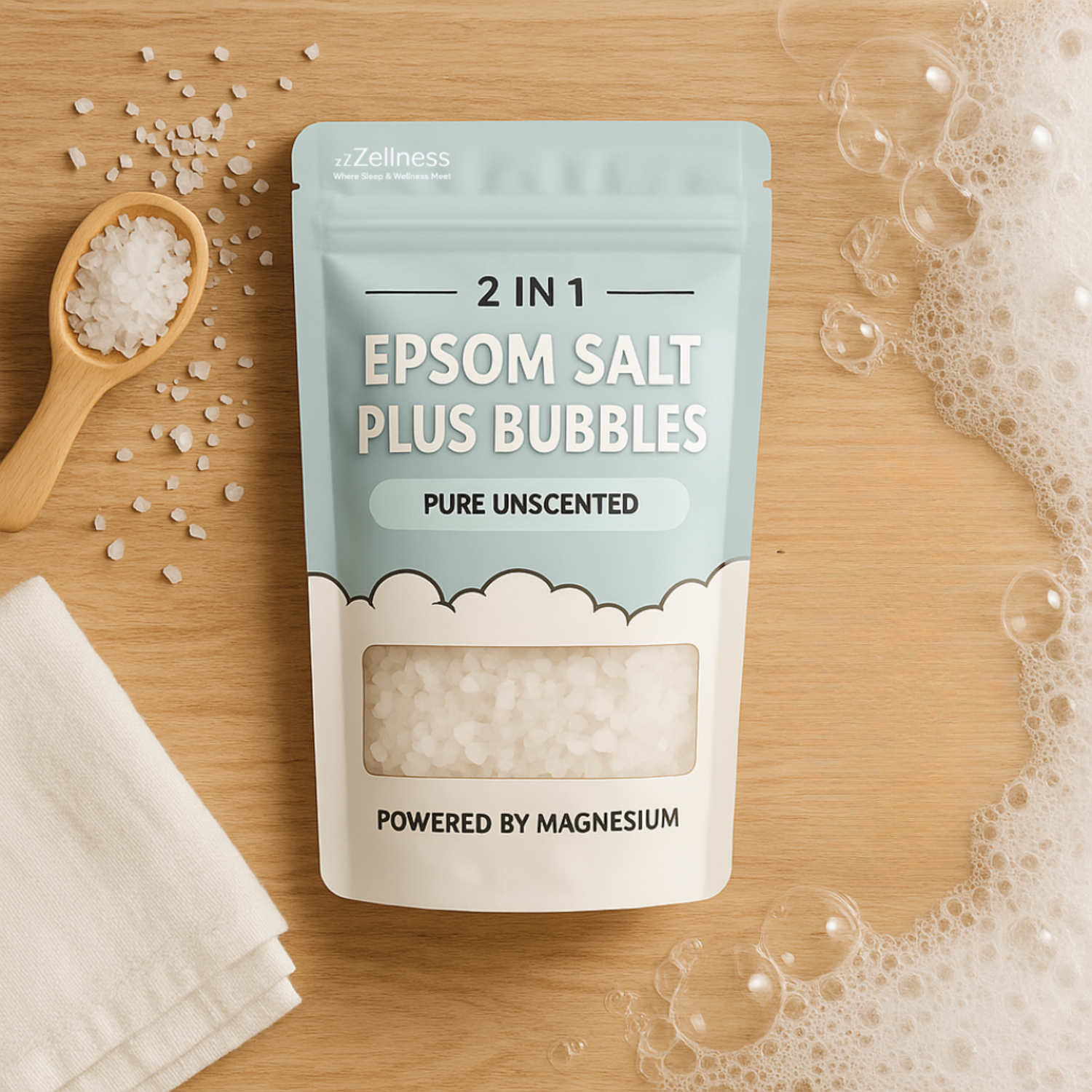
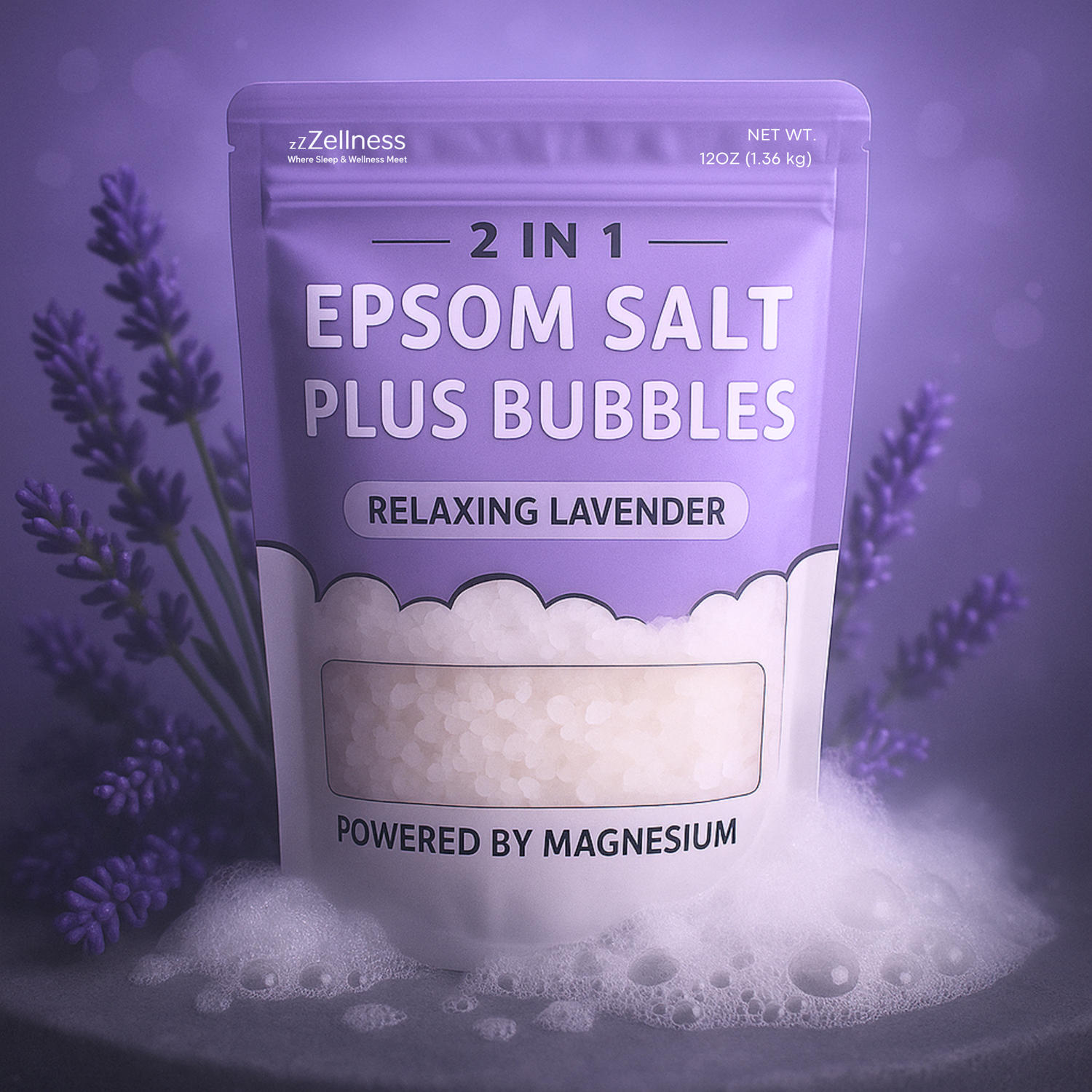
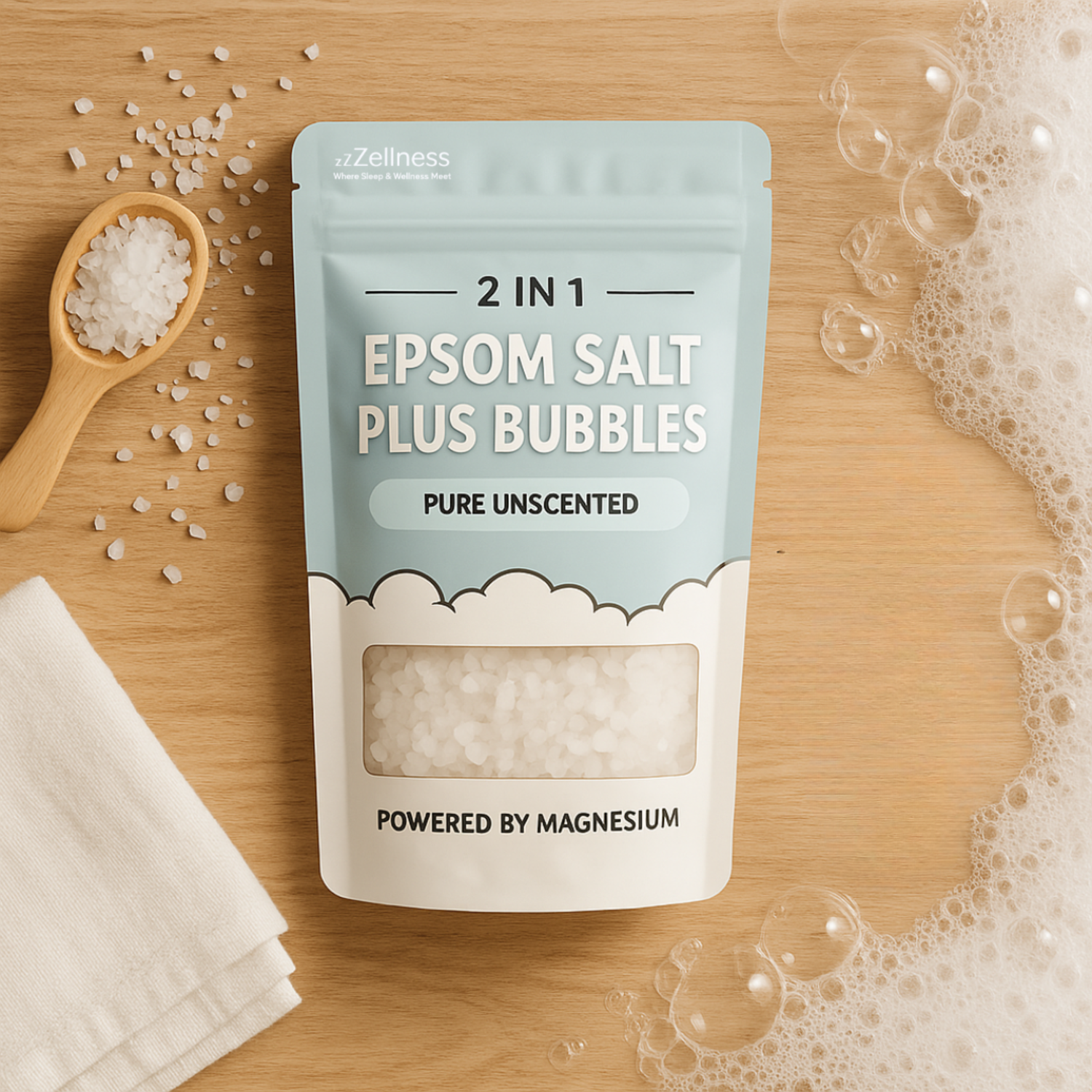
- Epsom Salt Soak: Soaking your feet in warm water with Epsom salt can help reduce swelling and relax the muscles.
- Massage: Regularly massaging your feet can help increase blood flow and relieve tension in the affected areas.
- Essential Oils: Using essential oils like peppermint or lavender can provide soothing relief when applied in diluted form to the bunion area.
Stay Proactive: Maintaining Foot Health
To prevent bunion pain from recurring, it’s essential to stay proactive about your foot health. Here are several strategies to consider:
- Regular Foot Assessments: Check your feet regularly for signs of changes or discomfort.
- Consistent Exercise: Engage in regular foot and leg exercises to maintain strength and flexibility.
- Proper Foot Hygiene: Maintain foot hygiene by keeping your feet clean and dry, which can prevent various foot problems.
- Nutrition: Ensure you consume a balanced diet rich in vitamins and minerals that support bone and joint health.
A Bright Future: Embracing Comfort and Mobility
Experiencing bunion pain does not have to limit your activities or diminish your quality of life. By incorporating effective physical therapy techniques, choosing appropriate footwear, and staying engaged with healthcare professionals, you can pave the way for significant bunion relief. Take charge of your foot health and embrace the comfort and mobility you deserve, and soon, you’ll be taking graceful strides again.
Frequently Asked Questions
1. What are bunions?
2. What causes bunions?
3. What are some symptoms of bunions?
4. How can physical therapy help with bunion pain?
5. When should I consider surgery for bunions?
Glossary
| Term | Meaning |
|---|---|
| Bunion | A bony protrusion on the side of the big toe caused by misalignment. |
| Hallux Valgus | The medical term for bunions, indicating the big toe's deviation. |
| Physical Therapy | A treatment method using exercises and manual techniques to relieve pain. |
| Foot Exercises | Activities aimed at strengthening and stretching the foot muscles. |
| Manual Therapy | Hands-on techniques used by therapists to alleviate pain and improve mobility. |
| Orthotic Insoles | Custom shoe inserts designed to support foot alignment and comfort. |
| Cold Therapy | Applying cold to reduce swelling and numb pain in the affected area. |
| Heat Therapy | Using warmth to relax muscles and improve circulation in the feet. |
| Bunion Corrector | A device worn to realign toes and provide support during sleep. |
| Epsom Salt Soak | A warm foot soak with Epsom salt to reduce swelling and relax muscles. |
Linked Product

Bunion Relief Bundle
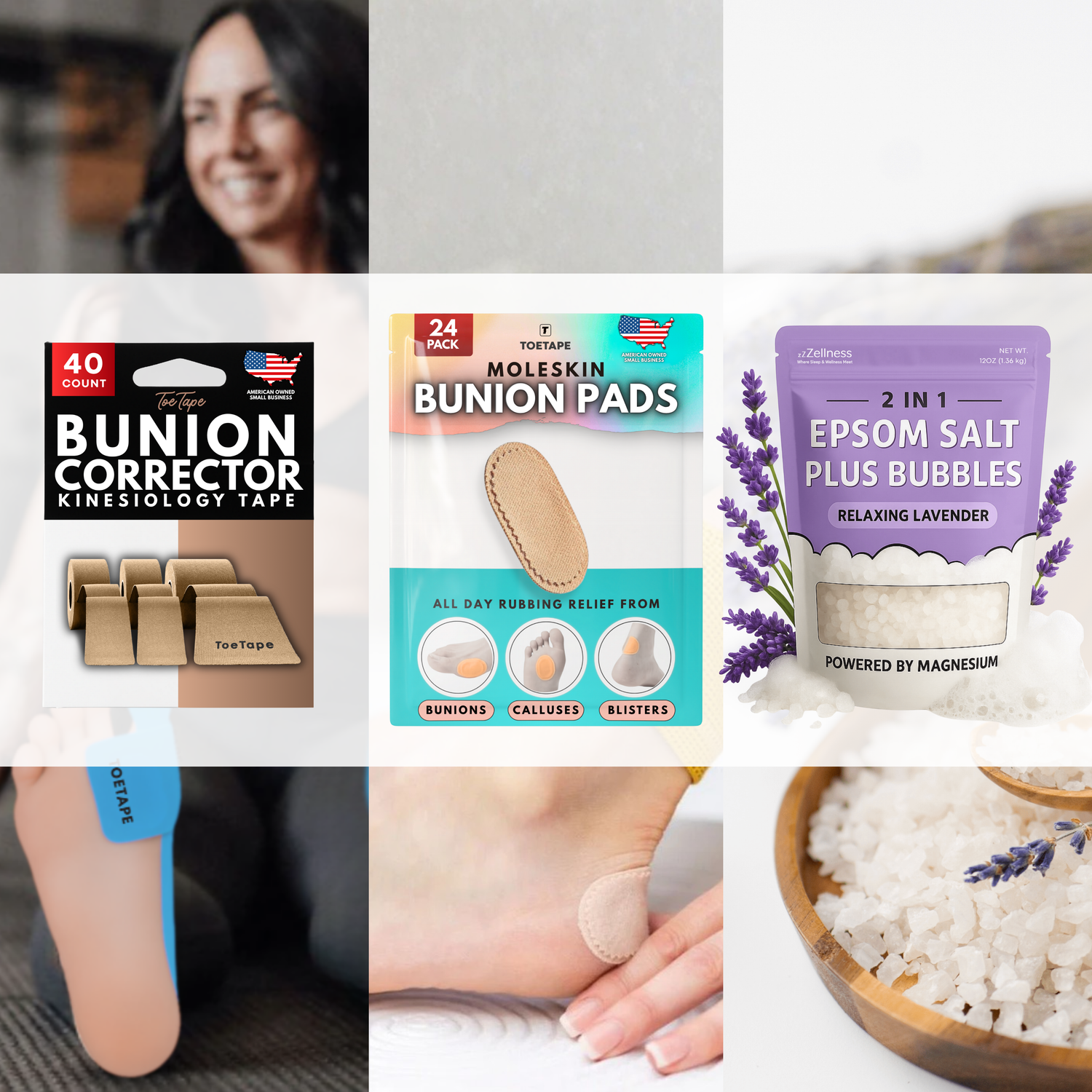
The Bunion Relief Bundle offers a comprehensive approach to managing bunion pain and enhancing foot comfort. It includes ToeTape™ for realigning the big toe, Moleskin Bunion Pads for protection against friction, and Epsom Salts for soothing sore feet after activity. This combination helps reduce pain, prevent irritation, and support recovery, making it suitable for daily wear or intensive training.
View Product