


















Overview
Bunions can significantly impact your comfort and mobility, yet many people overlook their foot health. Understanding the anatomy of your feet and recognizing the symptoms of bunions is essential for effective management. By adopting practical strategies like choosing the right footwear, using gel toe spacers, and incorporating foot exercises, you can alleviate discomfort and maintain healthy feet.
Table of Contents
- The Basics of Foot Anatomy
- The Bones of the Foot
- Joints and Ligaments
- What Are Bunions?
- Understanding the Causes of Bunions
- Recognizing the Symptoms
- Why Awareness Matters
- Strategies for Bunion Prevention and Management
- Choosing the Right Footwear
- Using Gel Toe Spacers
- Relying on Epsom Salts for Feet
- Regular Foot Exercises
- Seeking Professional Help
- Creating a Bunion Care Routine
- Living with Bunions: Best Practices
- Empowering Your Foot Health Journey
Key Takeaways
- Bunions are common foot conditions that can cause pain and discomfort, affecting millions globally.
- Understanding foot anatomy is essential for recognizing the causes and symptoms of bunions, which can lead to informed management.
- Key causes of bunions include genetics, foot structure, and improper footwear, especially tight or high-heeled shoes.
- Common symptoms of bunions are pain, swelling, redness around the big toe joint, and difficulty wearing shoes.
- Preventive strategies include choosing shoes with a wide toe box, using gel toe spacers, and performing regular foot exercises.
- Soaking feet in Epsom salts can help reduce swelling and provide relief from bunion discomfort.
- Consulting a podiatrist is crucial for persistent pain, as they can offer tailored advice and treatment options.
Foot health is often overlooked, yet it plays a crucial role in overall well-being. Among various foot conditions, bunions are one of the most common concerns affecting millions of people worldwide. Understanding foot anatomy is vital to recognizing the causes, symptoms, and prevention strategies related to bunions. In this guide, we'll explore the essential aspects of foot anatomy, the implications of bunions, and practical solutions to manage foot comfort effectively.
The Basics of Foot Anatomy
The human foot consists of 26 bones, 33 joints, and over 100 muscles, ligaments, and tendons. These components function together to provide the necessary support for standing, walking, and running. To better grasp the implications of bunions, let’s break down the key parts of the foot:
The Bones of the Foot
The foot is divided into three main sections:
- Hindfoot: This includes the talus and calcaneus (heel bone) and is responsible for weight distribution.
- Midfoot: Comprised of five tarsal bones that form the arch of the foot, providing flexibility and support.
- Forefoot: This section contains the five metatarsal bones and 14 phalanges (toe bones), which allow for balance and movement.
Joints and Ligaments
The foot contains numerous joints that help facilitate movement. Each toe, particularly the big toe, has a joint called the metatarsophalangeal (MTP) joint, which can easily develop bunions when pressure is applied incorrectly. Ligaments hold these bones together, offering stability and support during movement.
What Are Bunions?
A bunion, or hallux valgus, is a bony bump that forms at the base of the big toe. This condition occurs when the big toe pushes against the next toe, causing the MTP joint to protrude. Bunions can lead to pain, swelling, and difficulty finding comfortable footwear, making it essential to understand their development and treatment options.
Understanding the Causes of Bunions
Bunions can develop due to various factors, including:
- Genetics: A family history of bunions can increase your risk of developing them yourself.
- Foot Structure: Flat feet or excessively high arches can contribute to bunion formation.
- Improper Footwear: Wearing shoes that are too tight, narrow, or have high heels can place undue pressure on the toes.
Recognizing the Symptoms
It's essential to identify the signs of bunions early to address them effectively. Common symptoms include:
- Pain and soreness at the site of the bunion.
- Swelling and redness around the MTP joint.
- Difficulty in wearing shoes due to discomfort.
- Restricted movement of the big toe.
Why Awareness Matters
Being aware of bunion symptoms is crucial. Left untreated, bunions can progress and lead to further complications, such as arthritis or chronic pain. Understanding the anatomy of your feet can help you make informed choices about your foot health and footwear.
Strategies for Bunion Prevention and Management
Fortunately, several strategies can help manage bunions and reduce discomfort. These methods can help maintain foot health and alleviate symptoms:
Choosing the Right Footwear
Selecting appropriate shoes is one of the simplest ways to prevent and manage bunions. Here are some tips:
- Opt for shoes with a wide toe box to reduce pressure on the big toe.
- Avoid high heels, as they can exacerbate bunion pain.
- Look for cushioned insoles that offer support and comfort.
Using Gel Toe Spacers
Gel toe spacers can be beneficial for those suffering from bunions. They help align the toes correctly and can provide cushioning to reduce friction, which is essential for preventing further irritation. Regular use of gel toe spacers can be part of a more extensive foot care routine.
Relying on Epsom Salts for Feet
Soaking your feet in Epsom salts can provide therapeutic benefits for bunion discomfort. Epsom salts are known for their anti-inflammatory properties, which can help reduce swelling and ease pain. Additionally, they contribute to relaxation, allowing tired feet to recuperate. To create a soothing foot soak, mix Epsom salts with warm water and soak your feet for 15-20 minutes.
Regular Foot Exercises
Engaging in foot exercises can strengthen the muscles and ligaments around the feet, promoting better alignment. Consider trying the following:
- Toe stretches: Pull and stretch your toes gently to enhance flexibility.
- Calf stretches: Properly stretching your calves can relieve pressure on your feet.
- Toe curls: While sitting, try curling your toes and releasing to strengthen the foot’s muscles.
Seeking Professional Help
If you’re experiencing persistent pain or other serious symptoms associated with bunions, consult a podiatrist. They can provide tailored advice based on your specific foot structure and needs. In advanced cases, surgical options may also be available to correct bunions and restore foot function.
Creating a Bunion Care Routine
Caring for your feet, especially if you have bunions, is important for maintaining comfort and mobility. A comprehensive routine could include:
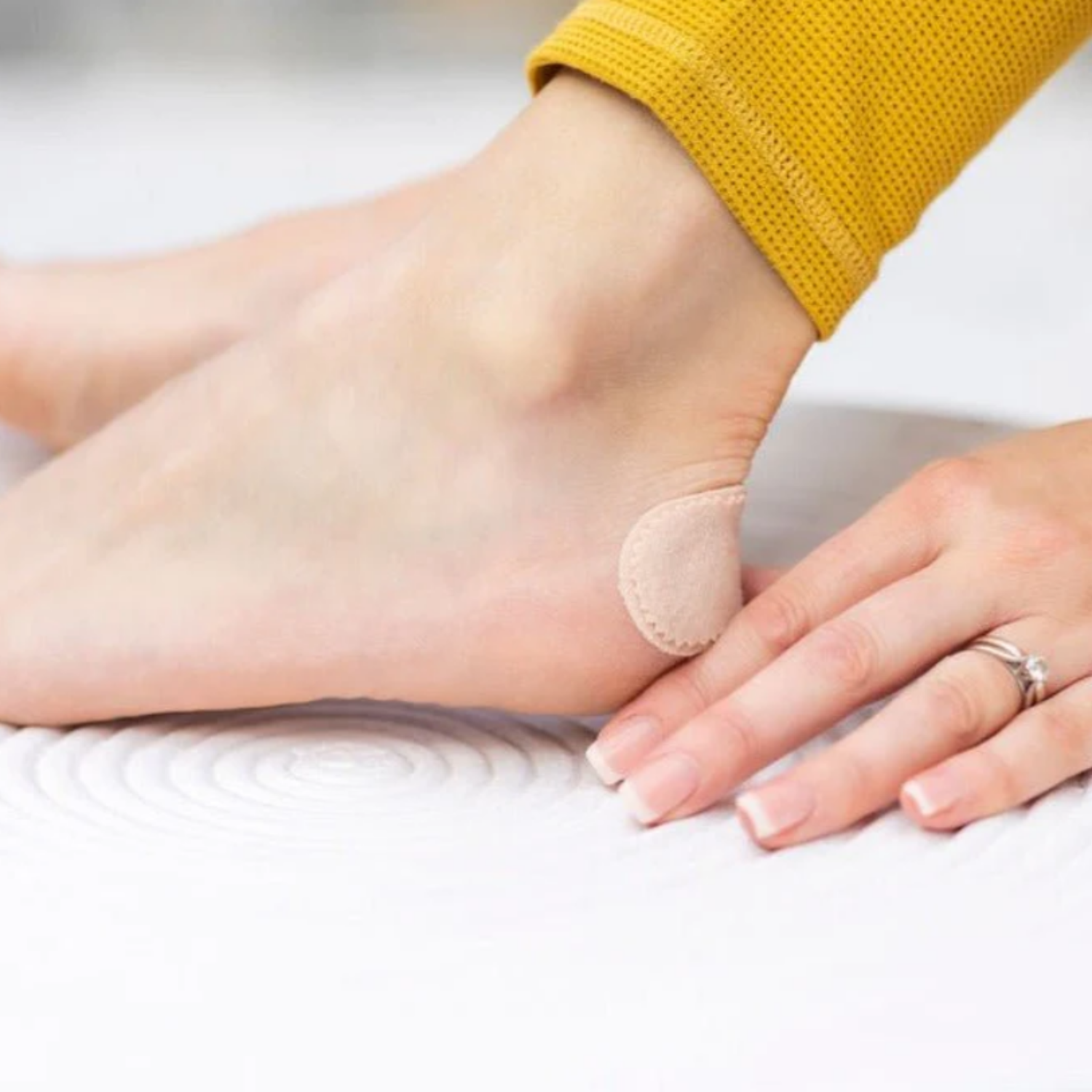
- Using protective pads to reduce friction from shoes.
- Incorporating daily stretches and exercises.
- Utilizing Epsom salts for feet to ease discomfort.
- Wearing appropriate shoes that accommodate the bunion's structure.
Living with Bunions: Best Practices
For those diagnosed with bunions, adjusting lifestyle habits can significantly enhance day-to-day comfort. Here are some best practices to incorporate:
- Regularly assess your footwear for proper fit and comfort.
- Prioritize foot health by incorporating stretching and strengthening exercises into your daily routine.
- Be mindful of any changes in foot pain and seek help promptly to avoid further complications.
Empowering Your Foot Health Journey
Awareness is the first step toward managing and preventing bunions effectively. By understanding foot anatomy, recognizing symptoms, and employing practical strategies, you can take control of your foot health. Remember that prevention and proactive care can go a long way in maintaining healthy feet.
Whether you're soaking your feet in Epsom salts for feet, using gel toe spacers, or simply opting for better footwear, you're already on the right track. Always listen to your body and don't hesitate to reach out to professionals for guidance when needed. Your feet deserve the best care, and keeping them healthy is a vital investment in your overall well-being.
Frequently Asked Questions
1. What are bunions?
2. What are the common symptoms of bunions?
3. What causes bunions to develop?
4. How can I prevent or manage bunions?
5. When should I seek professional help for bunions?
Glossary
| Term | Meaning |
|---|---|
| Bunions | A bony bump at the base of the big toe caused by misalignment. |
| MTP Joint | The joint connecting the big toe to the foot, prone to bunion formation. |
| Foot Anatomy | The structure of the foot, including bones, joints, and muscles. |
| Hindfoot | The back part of the foot, including the talus and calcaneus. |
| Midfoot | The middle section of the foot, consisting of five tarsal bones. |
| Forefoot | The front part of the foot, containing metatarsals and phalanges. |
| Gel Toe Spacers | Devices used to align toes and reduce friction for bunion relief. |
| Epsom Salts | Mineral compound used in foot soaks for anti-inflammatory benefits. |
| Foot Exercises | Activities designed to strengthen foot muscles and improve flexibility. |
| Podiatrist | A medical professional specializing in foot health and conditions. |
Linked Product

Bunion Relief Bundle
The Bunion Relief Bundle offers a comprehensive approach to foot comfort and recovery, featuring three effective products designed to alleviate pain and support natural alignment. The ToeTape™ Bunion Corrector Tape helps realign the big toe, while Moleskin Bunion Pads protect against friction and irritation. Additionally, the Epsom Salts + Foaming Bubbles provide a soothing soak to reduce inflammation and promote recovery after long days or intense training.
View Product