






Overview
Bunions can cause significant pain and discomfort, affecting daily life and mobility. Managing symptoms through the use of bunion correctors, pads, and proper footwear is essential. Engaging in foot care practices like exercises and cold/heat therapy can help alleviate discomfort. Seek professional help for severe symptoms or persistent pain. With proactive management, individuals can improve their quality of life despite the challenges of bunions.
Table of Contents
- What are Bunions?
- Physical Discomfort and Pain
- Foot Pain and Soreness
- Influence on Mobility
- Socioemotional Effects
- Impact on Social Activities
- Reducing Anxiety and Stress
- Choosing the Right Footwear
- Styles and Fit
- Incorporating Supportive Inserts
- Foot Care and Management
- Daily Foot Exercises
- Cold and Heat Therapy
- When to Seek Professional Help
- A Path to Healing
Key Takeaways
- Bunions are a common foot condition that can cause significant pain, swelling, and discomfort, impacting daily activities.
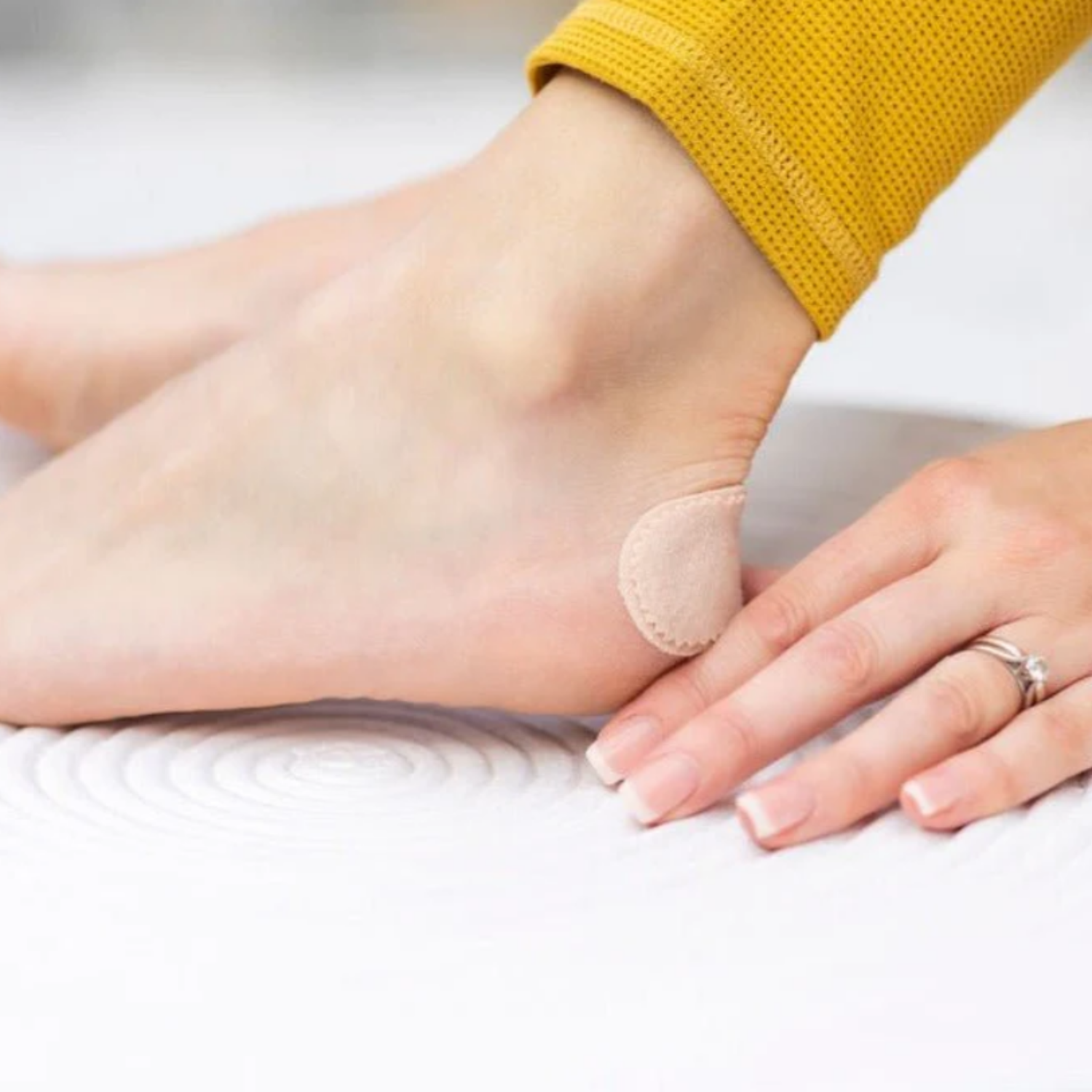
- Using bunion pads can provide a protective barrier against irritating footwear, helping to alleviate pain and discomfort.
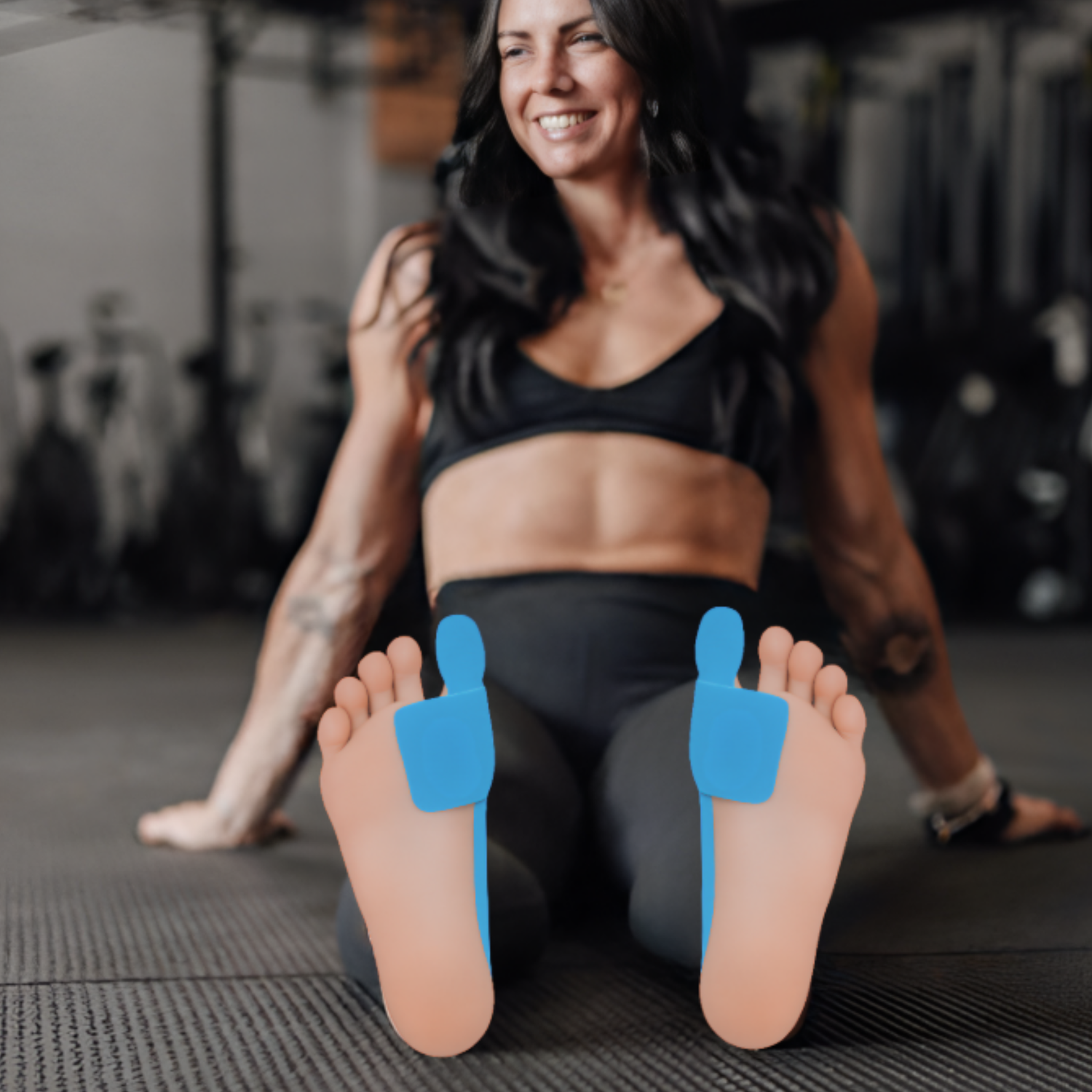
- Incorporating a bunion corrector into your routine can aid in realigning the toe and improving mobility over time.
- Choosing the right footwear is crucial; look for shoes with wide toe boxes, soft materials, and good arch support to reduce pain.
- Daily foot exercises can improve flexibility and strength, helping to manage bunion symptoms effectively.
- Cold and heat therapy can help manage swelling and pain, providing effective relief for bunion discomfort.
- Consult a healthcare professional if you experience severe pain or inability to perform daily activities, as advanced treatments may be necessary.
Bunions are more than just a common foot condition; they can significantly affect daily life and overall well-being. For those who suffer from bunions, knowing how to manage their symptoms can be a game-changer. In this blog, we’ll explore how bunions impact various aspects of daily living, providing insights on the importance of bunion correctors and bunion pads in enhancing comfort and mobility.
What are Bunions?
Bunions, or hallux valgus, are characterized by a bony bump at the base of the big toe. They occur when the big toe pushes against the next toe, forcing the joint of the big toe to stick out. This condition is often associated with pain, swelling, and inflammation. The severity of bunions can vary, leading to different levels of discomfort and limitation in daily activities.
Physical Discomfort and Pain
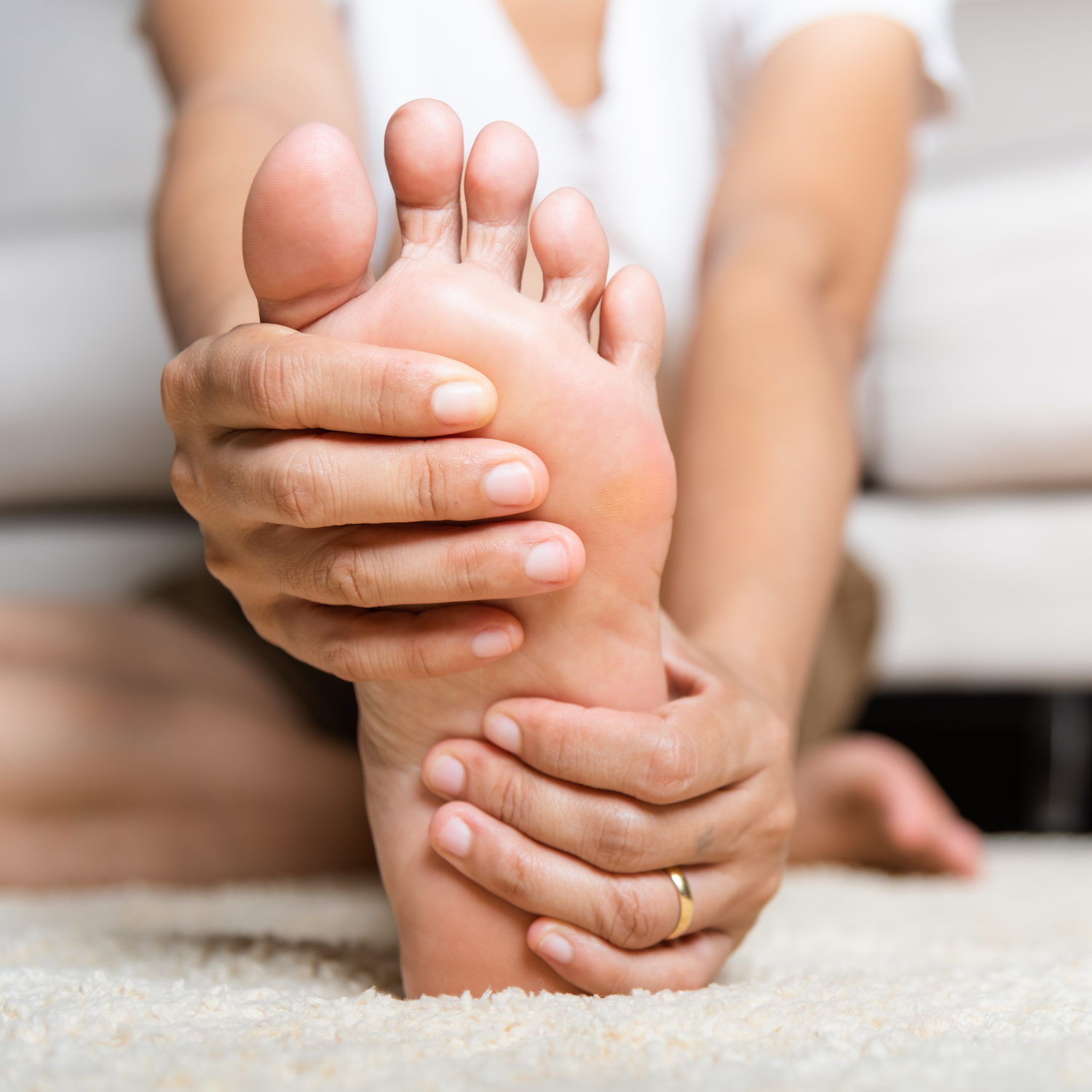
One of the most immediate impacts of having bunions is the physical pain they can cause. This discomfort can manifest in various ways:
Foot Pain and Soreness
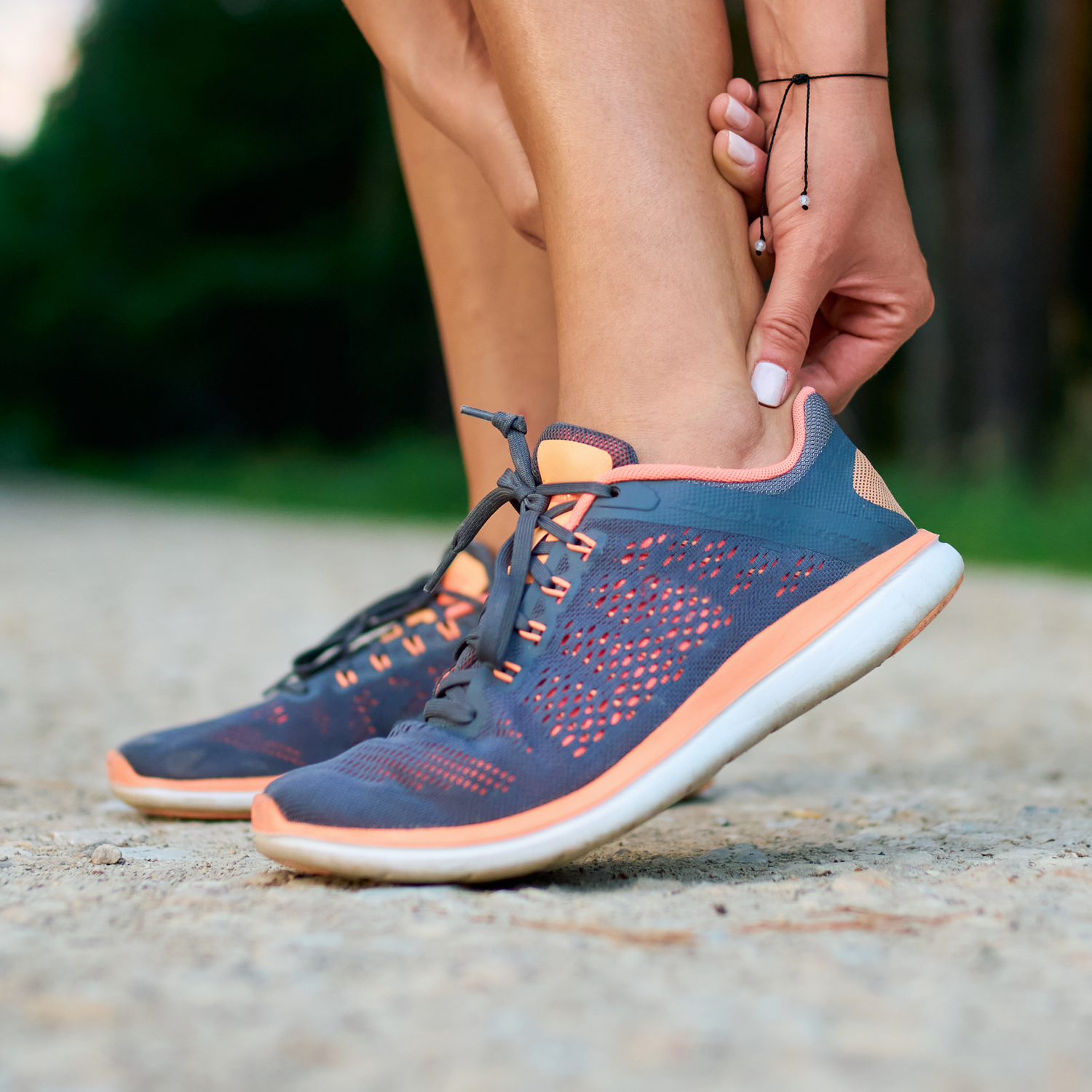
As the bunion protrudes, it can rub against footwear, leading to friction and further irritation. Many people with bunions experience:
- Throbbing pain in the joint area.
- Swelling around the big toe.
- Increased sensitivity in the affected foot.
Using bunion pads can provide a protective barrier against irritating footwear, helping to alleviate some of this discomfort.
Influence on Mobility
When everyday activities are impacted by pain, individuals may alter their walking patterns or even avoid certain activities. Bunions can lead to:
- Decreased range of motion in the foot.
- Difficulty walking long distances.
- Increased need for breaks during physical activities.
Incorporating a bunion corrector into your routine can aid in realigning the toe and improving mobility over time.
Socioemotional Effects
The physical symptoms of bunions can also lead to socioemotional challenges. Living with chronic pain and discomfort can take a toll on mental health, leading to:
Impact on Social Activities
Many individuals with bunions find themselves avoiding social gatherings, notably those that involve prolonged standing or walking. This can lead to feelings of:
- Isolation and loneliness.
- Embarrassment about one’s foot condition.
- Decreased participation in hobbies or sports.
This emotional burden highlights the need for effective symptom management, including the potential benefits of using supportive products like bunion pads to make social interactions more comfortable.
Reducing Anxiety and Stress
The pain and discomfort linked to bunions can increase anxiety and stress levels. Worrying about how to cope in various situations can lead to:
- A preoccupation with foot health.
- Diminished quality of life.
- Increased frustration during routine tasks.
Taking proactive steps to manage bunions, such as seeking a quality bunion corrector, can help alleviate some of this stress and restore confidence.
Choosing the Right Footwear
Footwear plays a critical role in managing bunions. Selecting the right shoes can significantly reduce pain and discomfort. Consider the following:
Styles and Fit
When shopping for shoes, look for options that have:
- Wide toe boxes to accommodate bunions.
- Soft materials to reduce friction.
- Arch support to maintain foot alignment.
Wearing appropriate shoes can prevent further irritation and assist in the healing process.
Incorporating Supportive Inserts
In addition to selecting the right type of shoes, using inserts designed to relieve bunion pain can enhance comfort. Bunion pads are a practical solution that can:
- Cushion the area around the bunion.
- Reduce pressure while standing or walking.
- Promote proper alignment of the big toe.
These small adjustments can make a world of difference in experiencing less pain during daily activities.
Foot Care and Management
Proper foot care is essential for those living with bunions. Simple steps taken at home can greatly help in managing symptoms:
Daily Foot Exercises
Engaging in gentle foot exercises can improve flexibility and strength in the toes and foot muscles. Consider adding the following exercises to your daily routine:
- Toe stretches: Flex and stretch the toes to maintain mobility.
- Foot rolling: Using a tennis ball, roll the arch of your foot to relieve tension.
- Toe curls: Pick up small objects with your toes to strengthen the muscle.
Cold and Heat Therapy
Applying cold or heat therapy can help to manage swelling and pain. Cold packs can reduce inflammation, while heat can soothe sore muscles. Alternating between the two may provide effective relief.
When to Seek Professional Help
While many individuals can manage their bunion discomfort at home, it is important to know when to seek medical advice. Consult with a healthcare professional if you experience:
- Severe or persistent pain.
- Inability to perform daily activities.
- Signs of infection in the affected area.
Professionals may recommend advanced treatments, including physical therapy, orthotic devices, or, in severe cases, surgical intervention.
A Path to Healing
Bunions can significantly affect daily life, from physical discomfort to emotional challenges. However, understanding the condition and taking proactive steps can lead to effective management. Utilizing tools like bunion correctors and bunion pads, along with proper footwear and foot care, can help individuals navigate their daily lives with greater comfort.
Remember, you’re not alone on this journey. With the right support and resources, it is possible to reclaim your mobility and enjoy life to its fullest. Prioritizing self-care and making informed choices will pave the way to a more comfortable and fulfilling day-to-day experience with bunions.
Frequently Asked Questions
1. What are bunions?
2. How can bunions affect daily life?
3. What products can help manage bunion symptoms?
4. What types of footwear are best for bunions?
5. When should I seek professional help for bunions?
Glossary
| Term | Meaning |
|---|---|
| Bunions | A bony bump at the base of the big toe caused by misalignment. |
| Hallux Valgus | The medical term for bunions, indicating toe misalignment. |
| Bunion Corrector | A device used to realign the big toe and alleviate pain. |
| Bunion Pads | Soft cushions placed on the foot to reduce friction and pain. |
| Foot Care | Daily practices to maintain foot health and manage bunion symptoms. |
| Cold Therapy | Application of cold packs to reduce swelling and inflammation. |
| Heat Therapy | Application of heat to soothe sore muscles and improve circulation. |
| Foot Exercises | Activities aimed at improving flexibility and strength in the feet. |
| Orthotic Devices | Custom supports designed to improve foot alignment and comfort. |
| Professional Help | Consulting a healthcare provider for severe or persistent symptoms. |
Linked Product

Bunion Relief Bundle
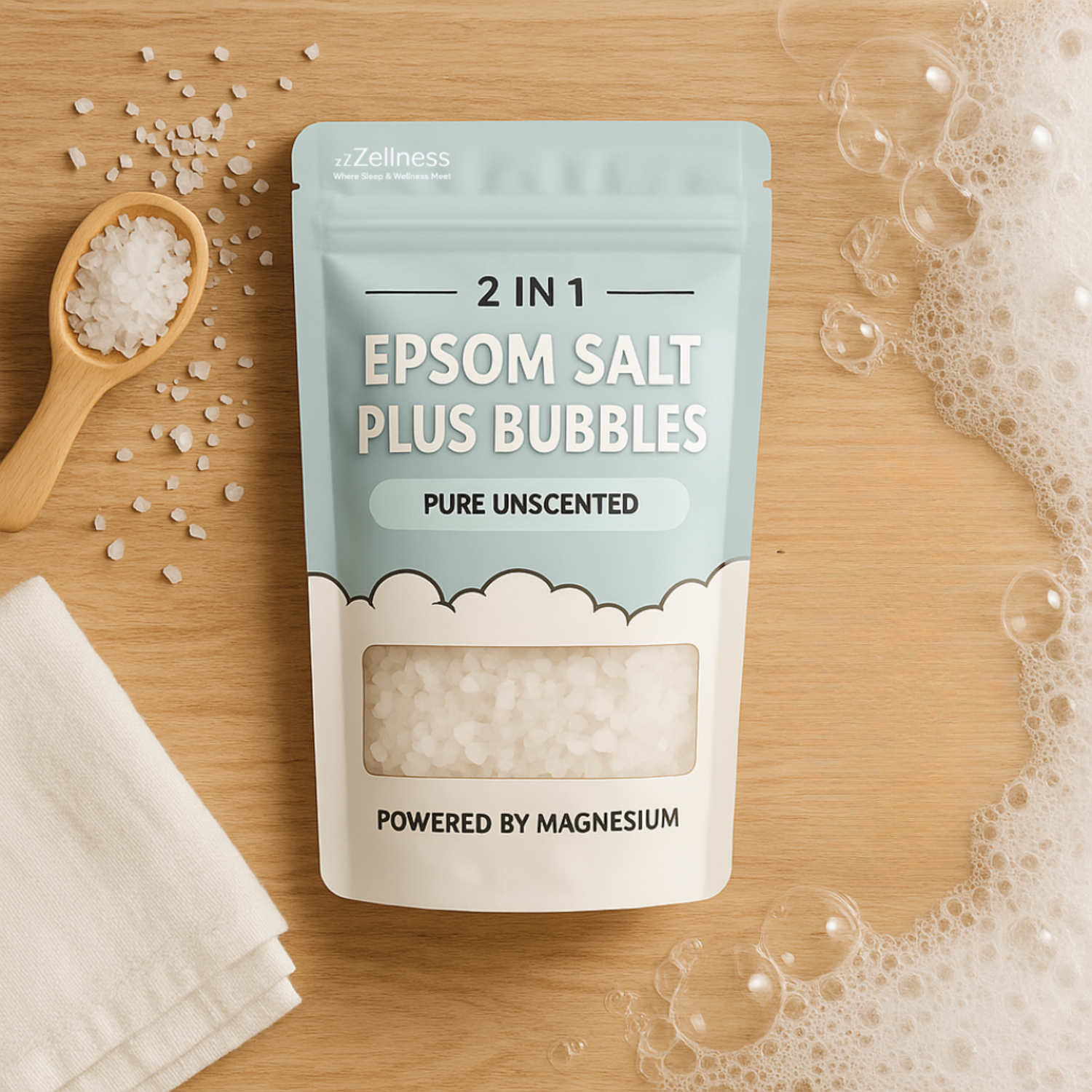
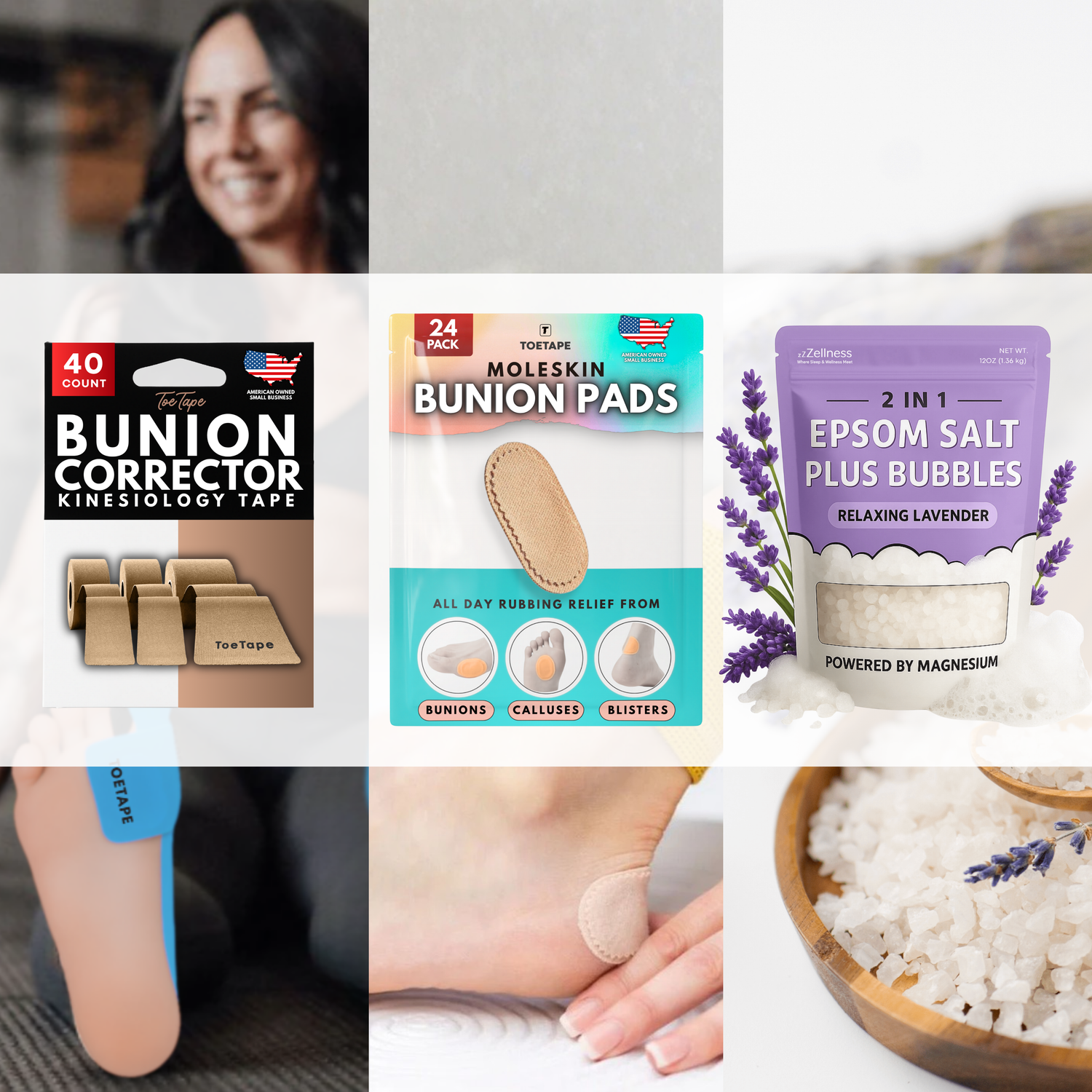
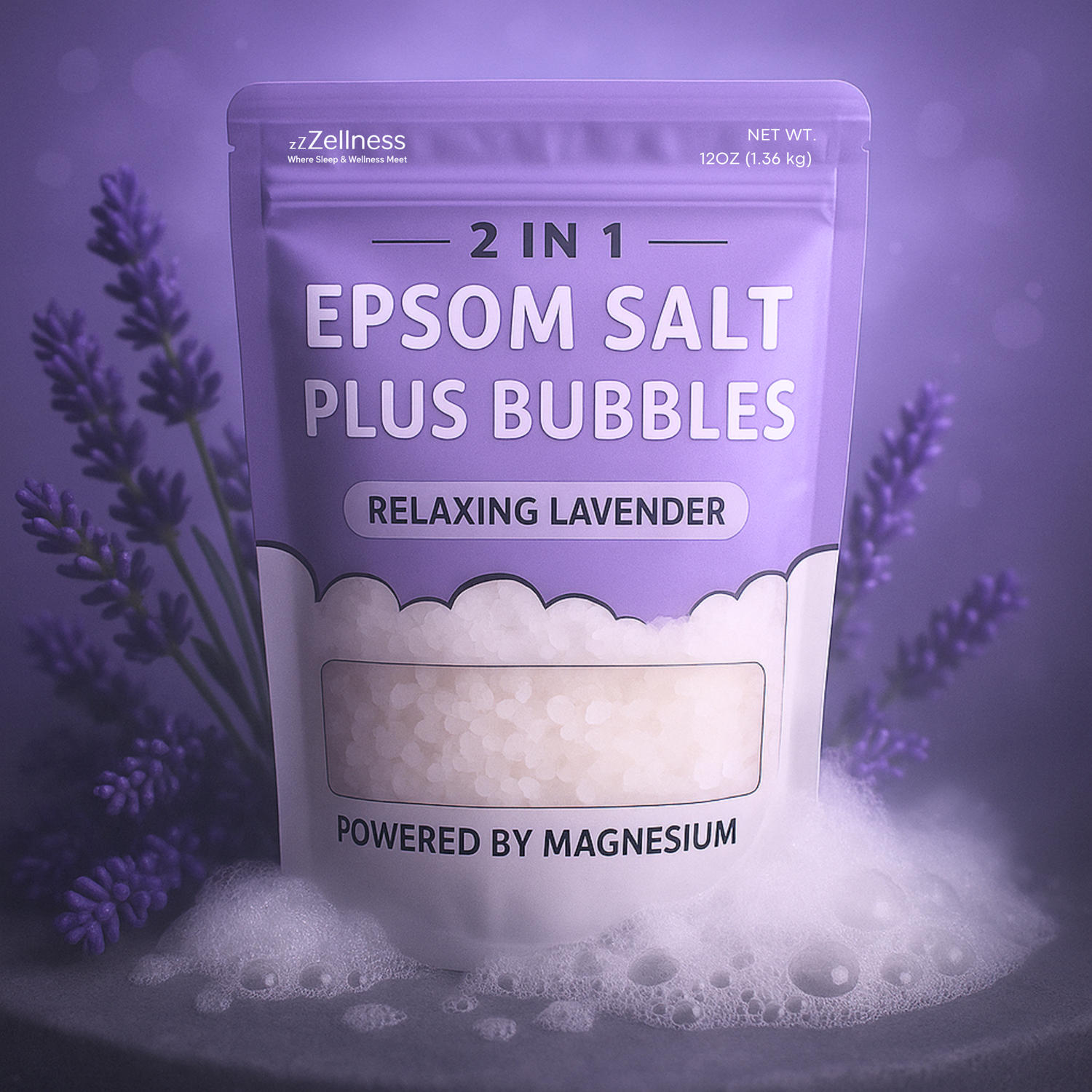
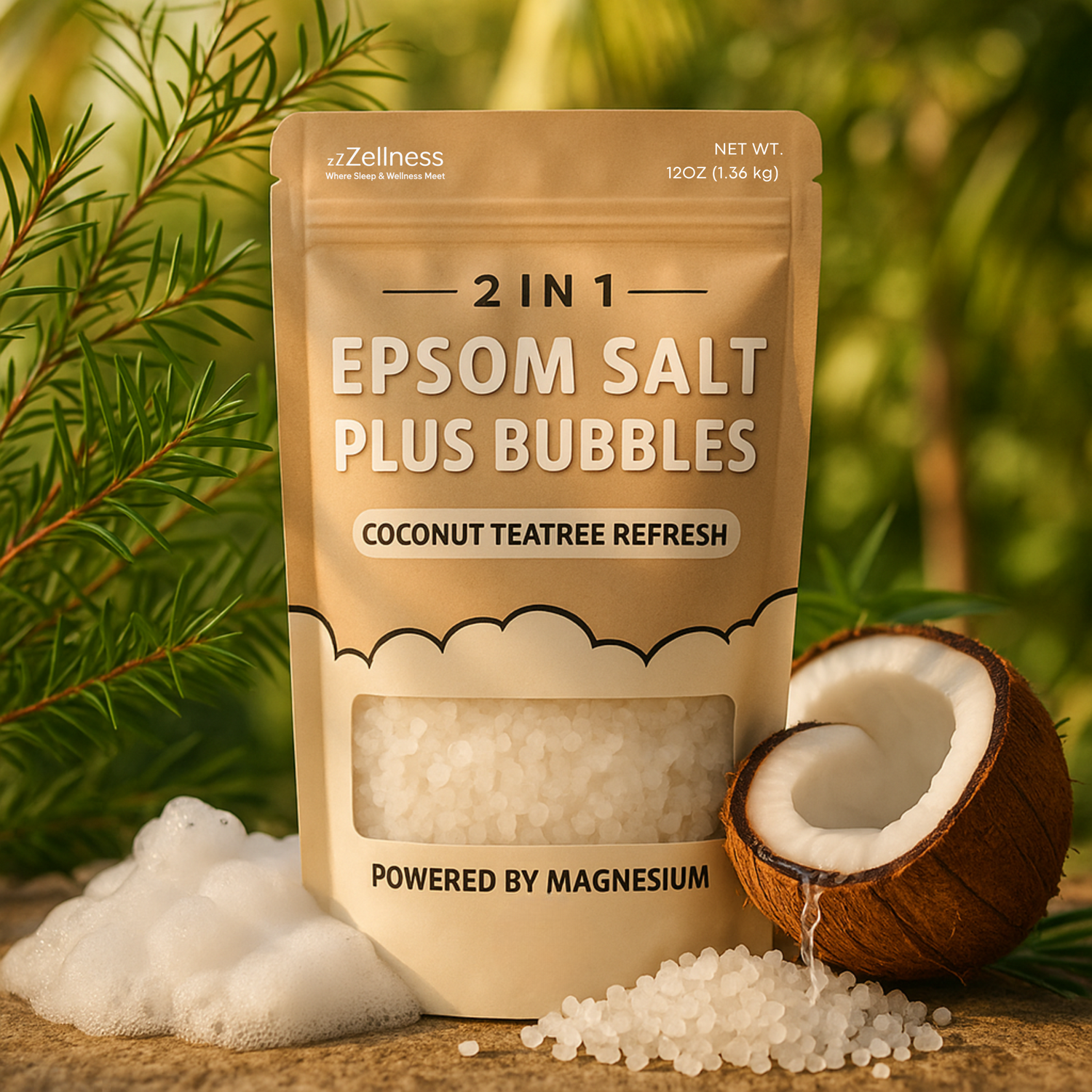
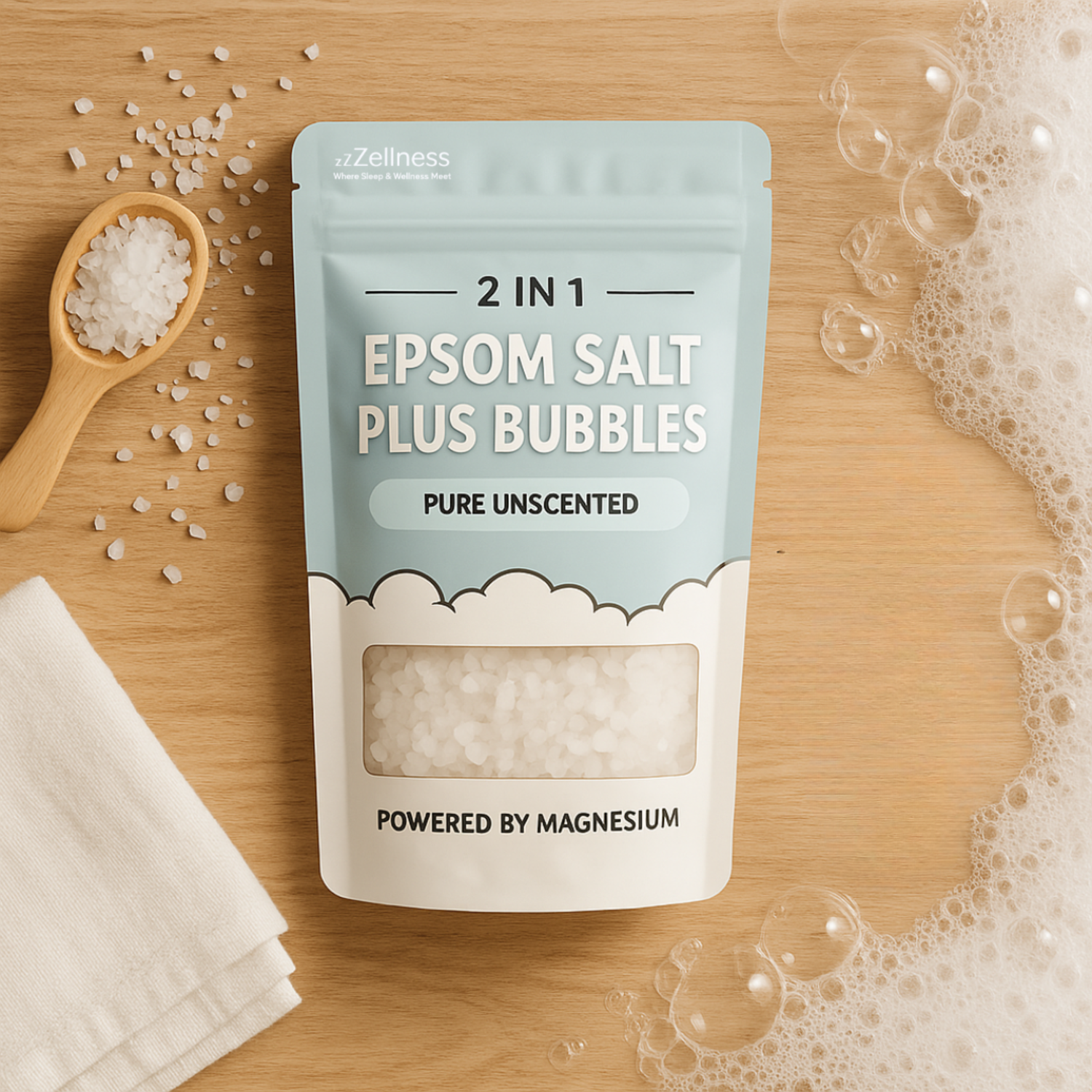
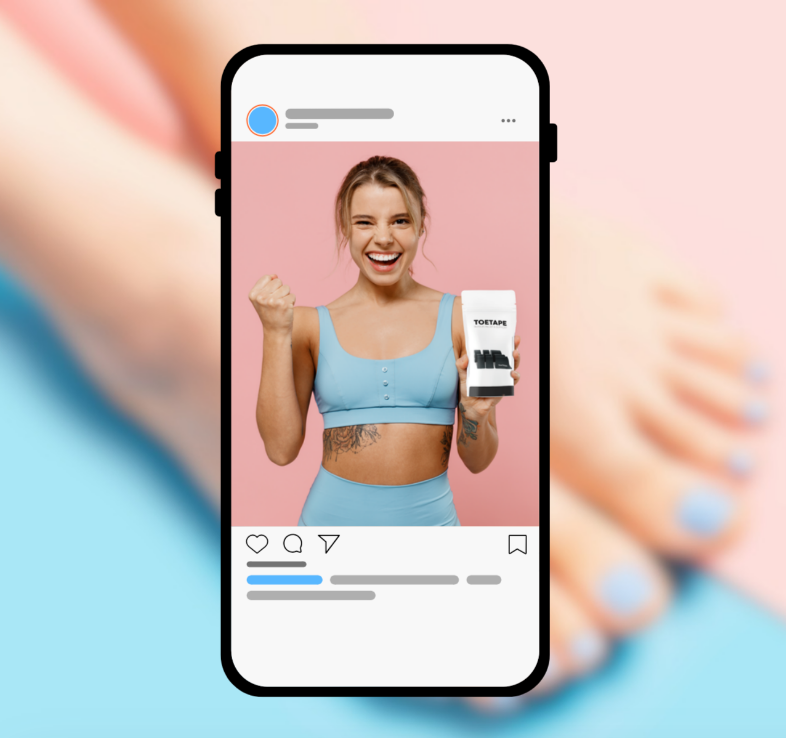
The Bunion Relief Bundle is designed to provide comprehensive support for foot comfort and recovery. It includes ToeTape™ Bunion Corrector Tape for realigning the big toe, Moleskin Bunion Pads to protect against friction, and Epsom Salts + Foaming Bubbles for soothing sore feet and reducing inflammation. This combination helps alleviate pain, prevent irritation, and promote faster recovery, making it suitable for anyone on their feet regularly or engaged in physical activities.
View Product