








Overview
This article provides valuable insights into managing bunion discomfort through effective lifestyle changes. Readers will learn about the importance of proper footwear, regular foot care practices, maintaining a healthy weight, and when to seek professional advice. By implementing these strategies, individuals can improve their foot health and significantly reduce the pain associated with bunions, ultimately leading to a more comfortable and active life.
Table of Contents
- Understanding Bunions
- Common Symptoms of Bunions
- Choosing the Right Footwear
- Look for these features in your shoes:
- Incorporating Foot Care Practices
- Stretching and Strengthening Exercises
- Soaking and Moisturizing
- Maintaining a Healthy Weight
- Suggestions for a Healthy Lifestyle:
- Seeking Professional Advice
- What to Expect from a Podiatrist Visit:
- Utilizing Additional Support Tools
- Types of Supportive Tools to Consider:
- The Importance of Consistent Self-Care
- Creating a Routine:
- Unleashing Yourself from Discomfort
Key Takeaways
- Bunions are caused by a combination of genetic factors and lifestyle choices. Understanding these elements is crucial for effective management.
- Choosing the right footwear is essential. Look for shoes with a wide toe box, good arch support, soft materials, and low heels to minimize discomfort.
- Incorporate foot care practices into your routine. Regular stretching, soaking, and moisturizing can significantly alleviate bunion-related pain.
- Maintain a healthy weight. Excess weight increases pressure on your feet, worsening bunion discomfort.
- Seek professional advice if necessary. A podiatrist can provide tailored assessments and treatment options for persistent discomfort.
- Utilize supportive tools. Consider using arch supports, protective pads, and corrective tape to relieve pressure on bunions.
- Consistency is key. Establish a routine that includes stretching, foot soaks, and monitoring footwear choices for long-term relief.
Bunions can often be a painful and frustrating condition, but with the right lifestyle changes, you can significantly reduce discomfort and improve your foot health. Everyone deserves to walk in comfort, and making a few adjustments can help pave the way. In this article, we’ll explore various lifestyle changes to alleviate bunion-related discomfort and enhance your overall foot recovery.
Understanding Bunions
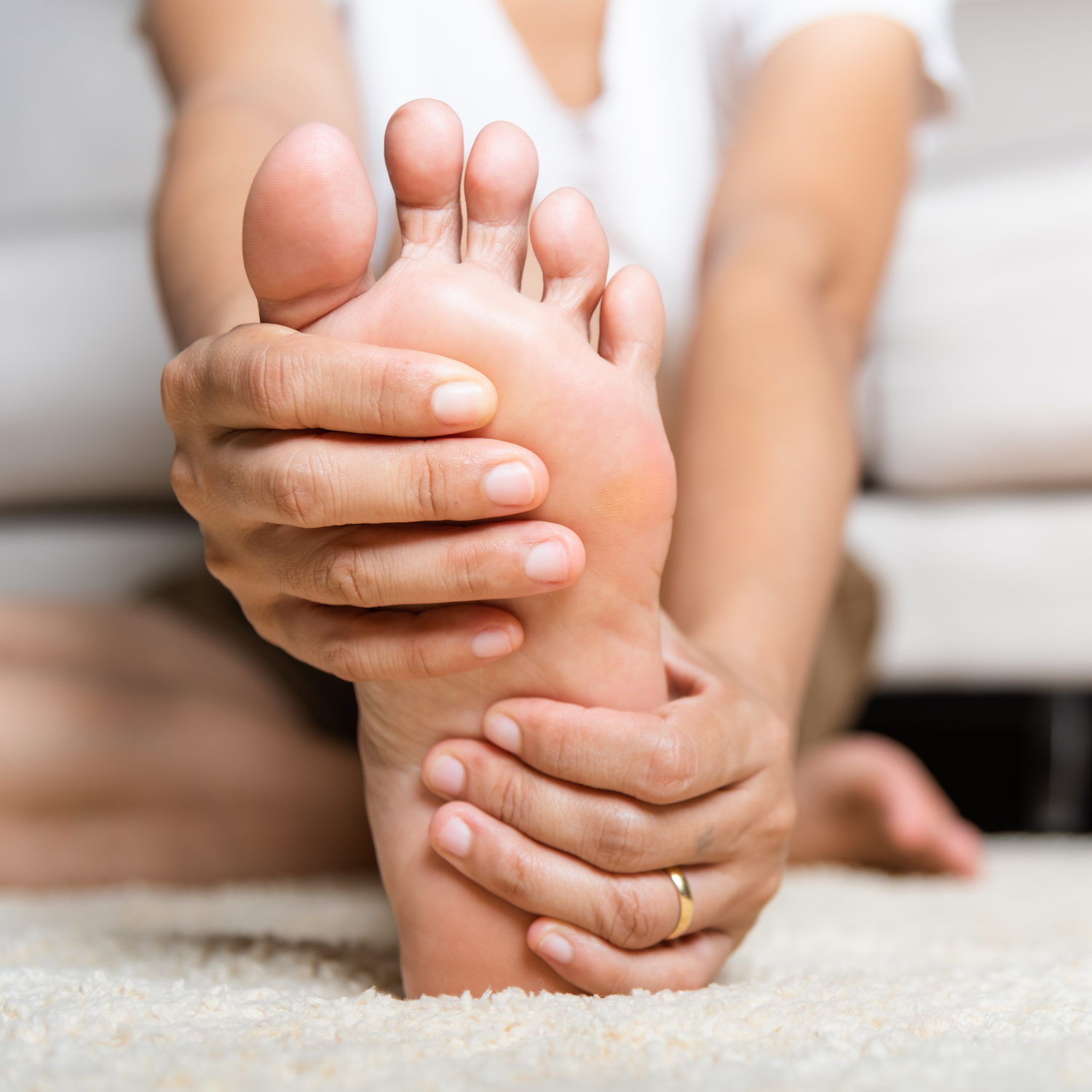
A bunion, or hallux valgus, is a bony bump that forms at the base of your big toe, where it meets the foot. This occurs when the big toe pushes against the adjacent toe, forcing the joint of the big toe to stick out. While genetics play a significant role in bunion formation, lifestyle factors such as footwear choices and activity levels can exacerbate the issue. Understanding these factors is essential for making effective changes that promote foot recovery.
Common Symptoms of Bunions
- Pain and tenderness in the affected area
- Swelling and inflammation around the joint
- Redness and warmth over the bunion
- Limited movement of the big toe
- Calluses or corns on overlapping toes
Choosing the Right Footwear
One of the most impactful lifestyle changes you can make to reduce bunion discomfort is to choose the right footwear. Shoes that are too tight or poorly fitted can contribute to bunion formation and increase discomfort.
Look for these features in your shoes:
- Wide Toe Box: Ensure that your shoes have a roomy toe box to accommodate your toes comfortably.
- Arch Support: Good arch support helps distribute weight evenly and reduce pressure on bunions.
- Soft Materials: Opt for shoes made with soft, flexible materials to minimize irritation around the bunion area.
- Low Heels: Avoid high heels, as they can exacerbate bunion discomfort by placing extra pressure on the front of the foot.
By making conscious choices about footwear, you can promote better alignment and comfort, which will ultimately aid in foot recovery.
Incorporating Foot Care Practices
Implementing regular foot care practices can also make a significant difference in managing bunion discomfort. Here are several practices you can integrate into your daily routine:
Stretching and Strengthening Exercises
Incorporating foot exercises into your routine can promote flexibility, strength, and improve overall foot health. Here are some recommended exercises:
- Toe Stretch: Sit or stand and stretch your toes outward. Hold the stretch for 10-15 seconds and repeat several times.
- Foot Roll: Use a tennis ball or foot roller under your foot to massage and relax tight muscles.
- Big Toe Stretch: Place a towel under your big toe and gently pull it backward while keeping the other toes flat on the ground.
These exercises can help realign the big toe and alleviate pressure on the bunion, promoting overall foot recovery.
Soaking and Moisturizing
Regular soaks can help reduce inflammation and provide relief. Here’s how to give your feet the pampering they deserve:
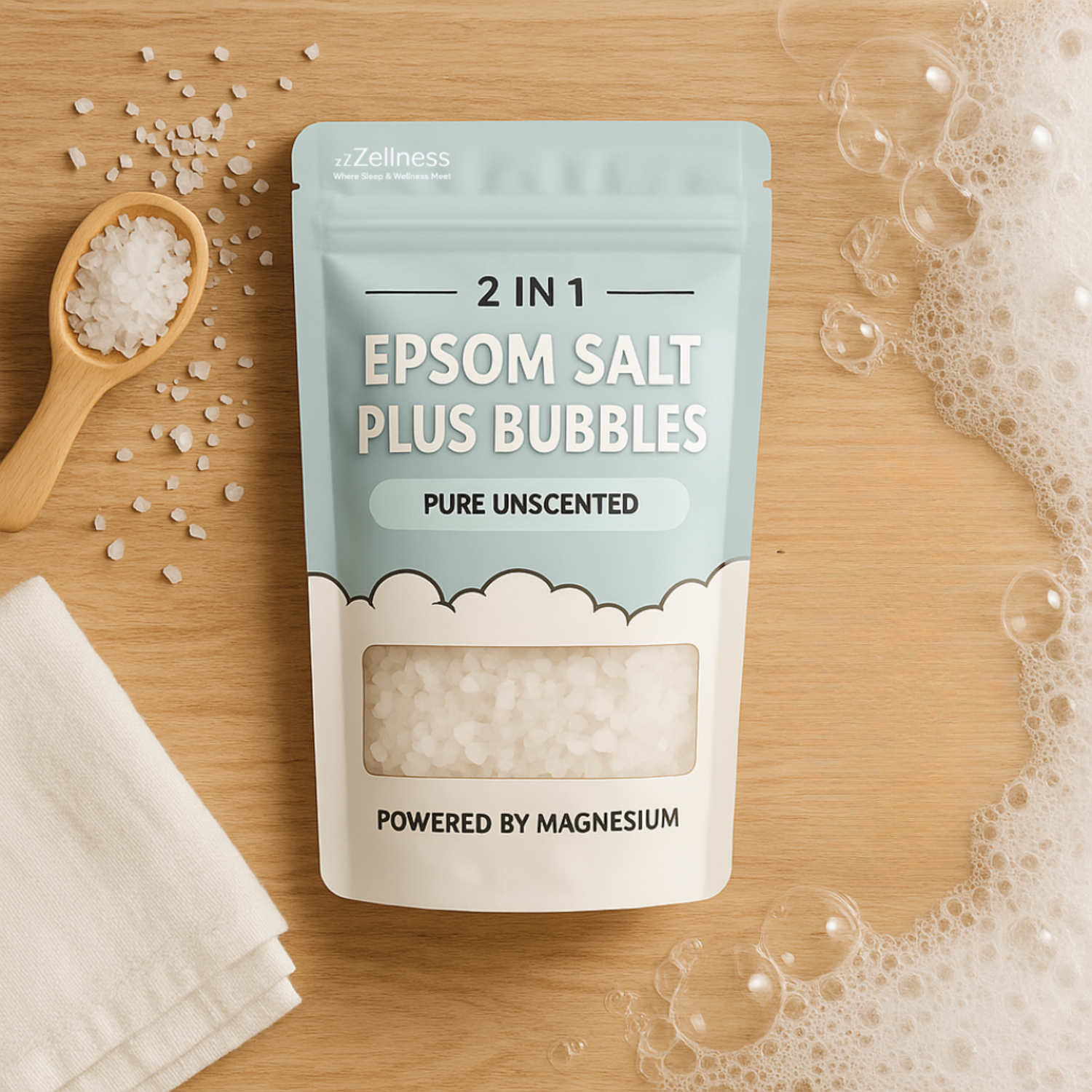
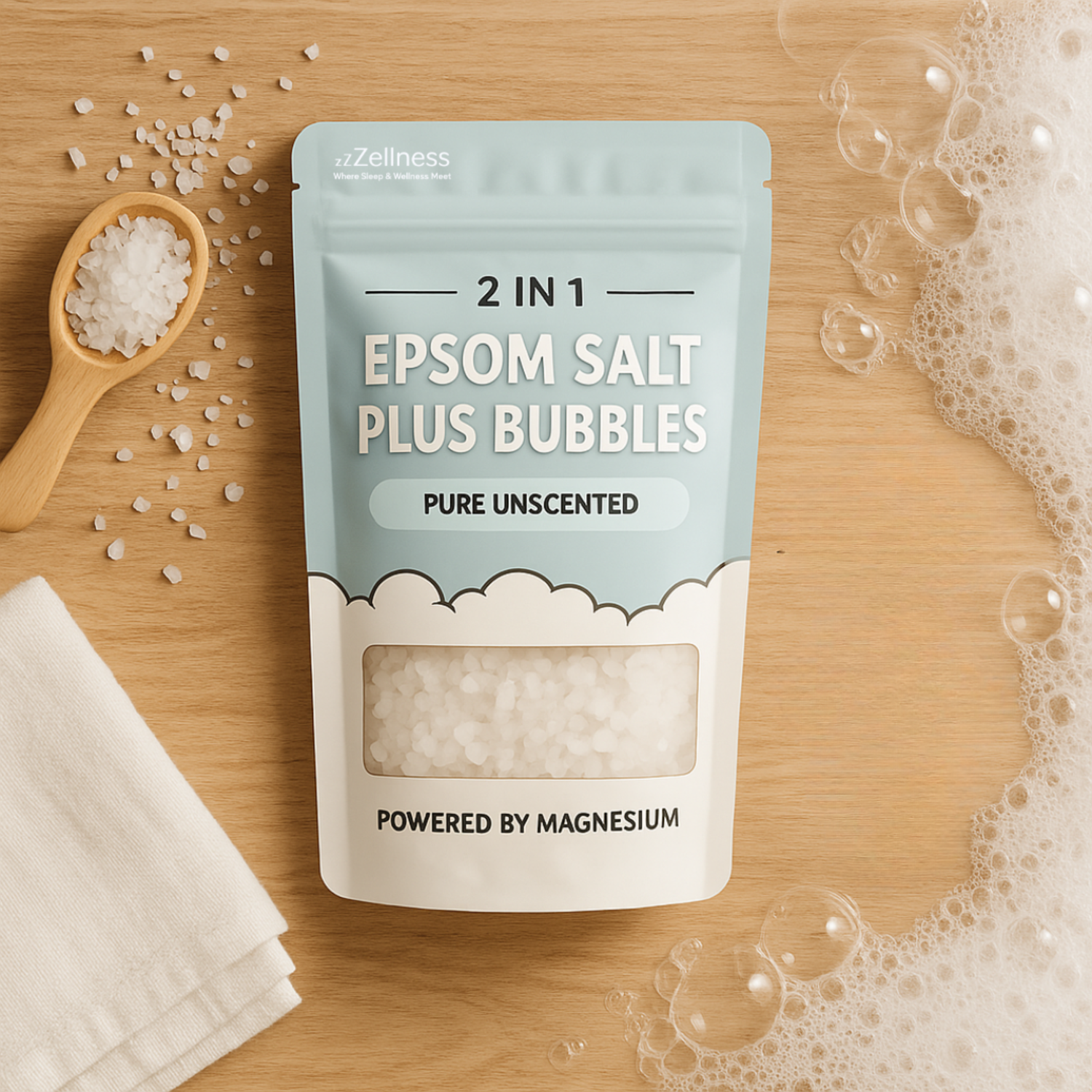
- Epsom Salt Soaks: Soaking your feet in warm water mixed with Epsom salts can help reduce swelling and inflammation.
- Moisturizing: Keeping your feet well-moisturized can prevent dry skin and cracking, which can often exacerbate discomfort.
Maintaining a Healthy Weight
Excess weight can place additional pressure on your feet, worsening bunions and overall discomfort. Maintaining a healthy weight through balanced nutrition and regular exercise is an important lifestyle change that can benefit your feet and body as a whole.
Suggestions for a Healthy Lifestyle:
- Balanced Diet: Incorporate whole foods that are low in sugars and unhealthy fats. Focus on fruits, vegetables, whole grains, and lean proteins.
- Regular Exercise: Engage in low-impact activities like swimming or cycling that are gentle on your feet while helping you stay fit.
By prioritizing your overall health, you'll naturally optimize your foot health and aid in bunion recovery.
Seeking Professional Advice
If you are struggling with persistent bunion discomfort that lifestyle changes aren’t alleviating, it may be time to seek professional advice. A podiatrist can provide personalized assessments and treatment options tailored to your specific needs.
What to Expect from a Podiatrist Visit:
- A thorough examination of your foot mechanics and gait.
- Recommendations for custom orthotics that provide additional support.
- Physical therapy options to enhance mobility and reduce pain.
Professional guidance can help you develop a comprehensive plan that may include various options for improved foot recovery.
Utilizing Additional Support Tools
Moreover, there are several tools and devices that can help you manage bunion discomfort effectively. While specific products are not mentioned here, exploring supportive insoles, pads, and braces designed to alleviate pressure on the bunion can be beneficial.
Types of Supportive Tools to Consider:
- Arch Supports: Provide stability and alignment for better weight distribution.
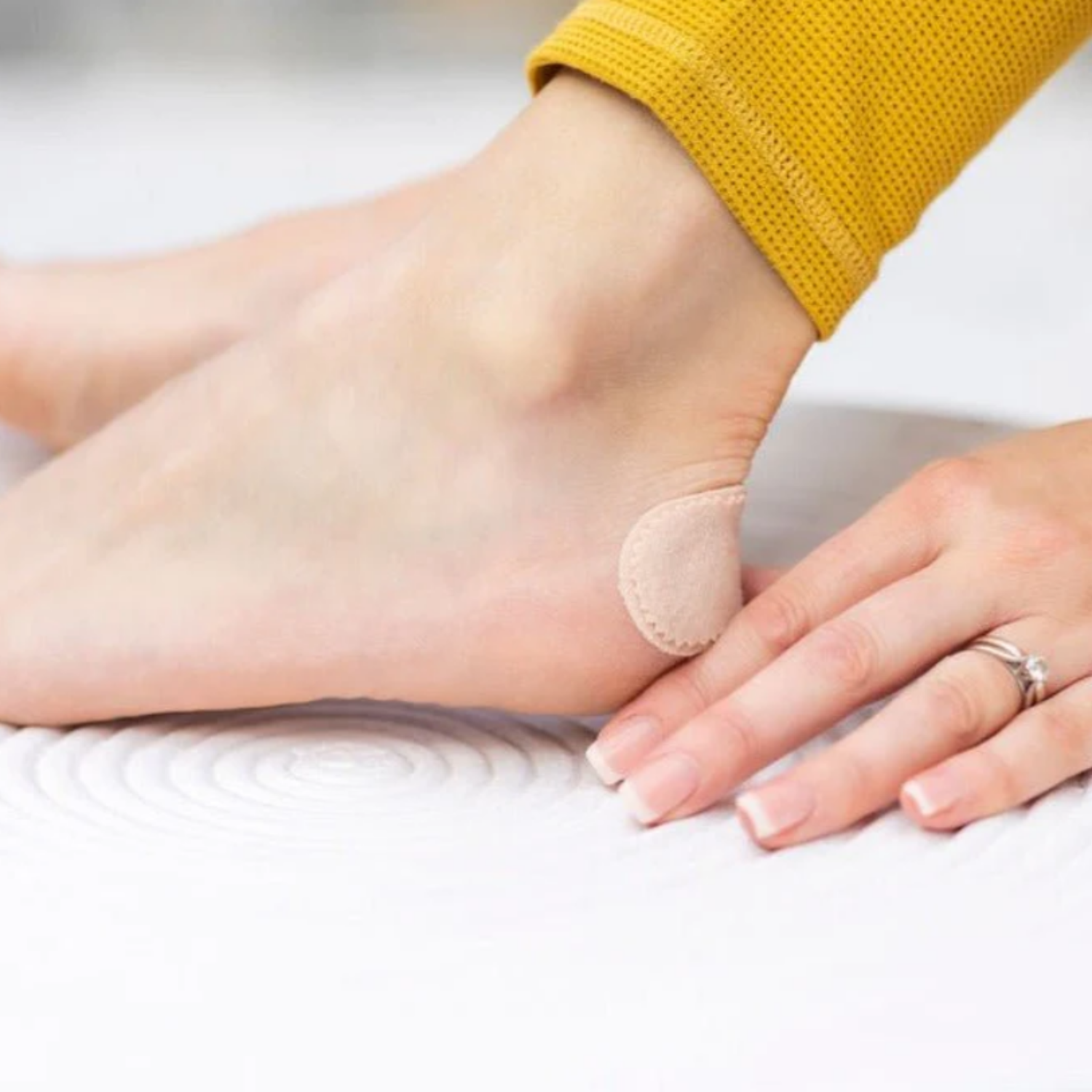
- Protective Pads: Soft protective patches can provide cushioning to sensitive areas.
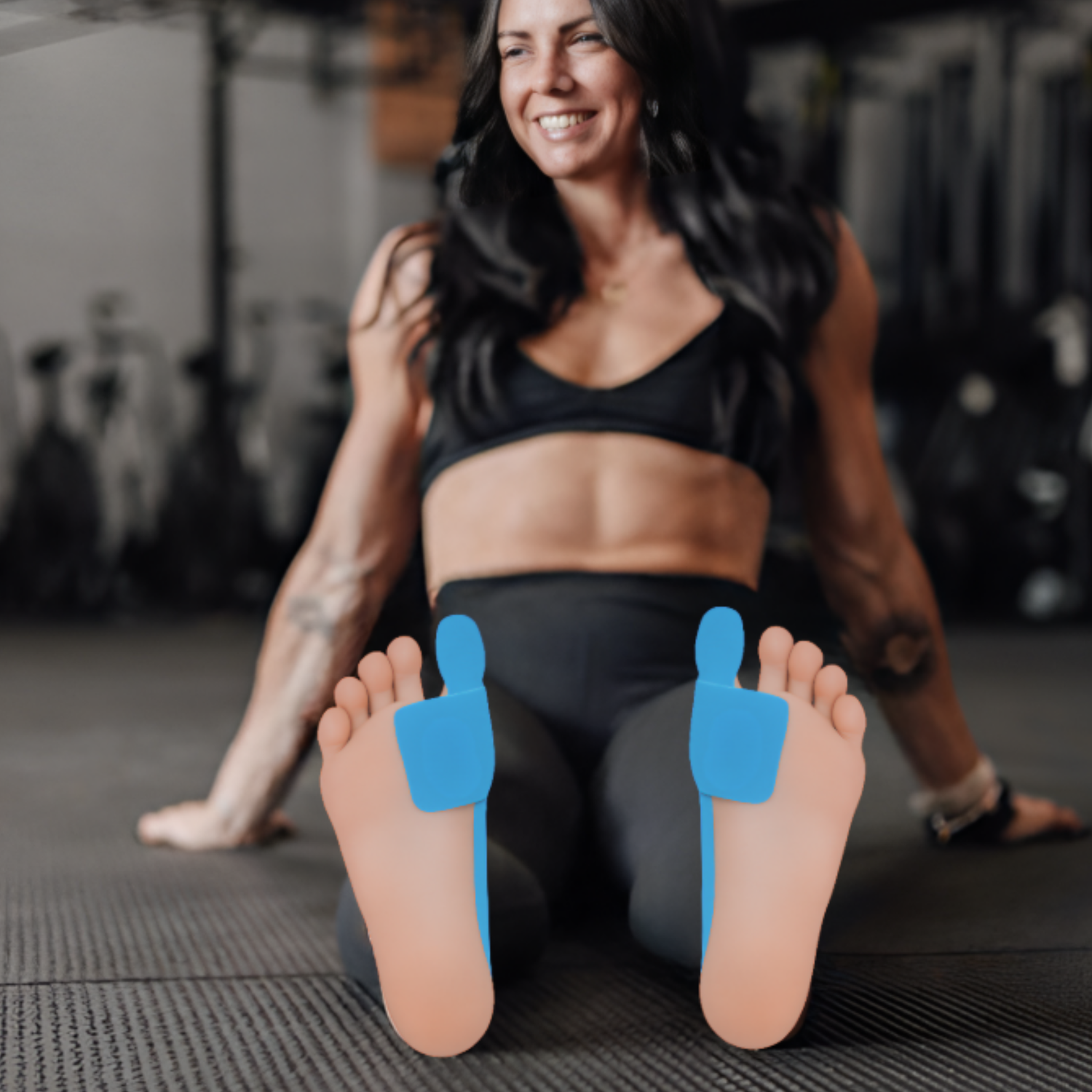
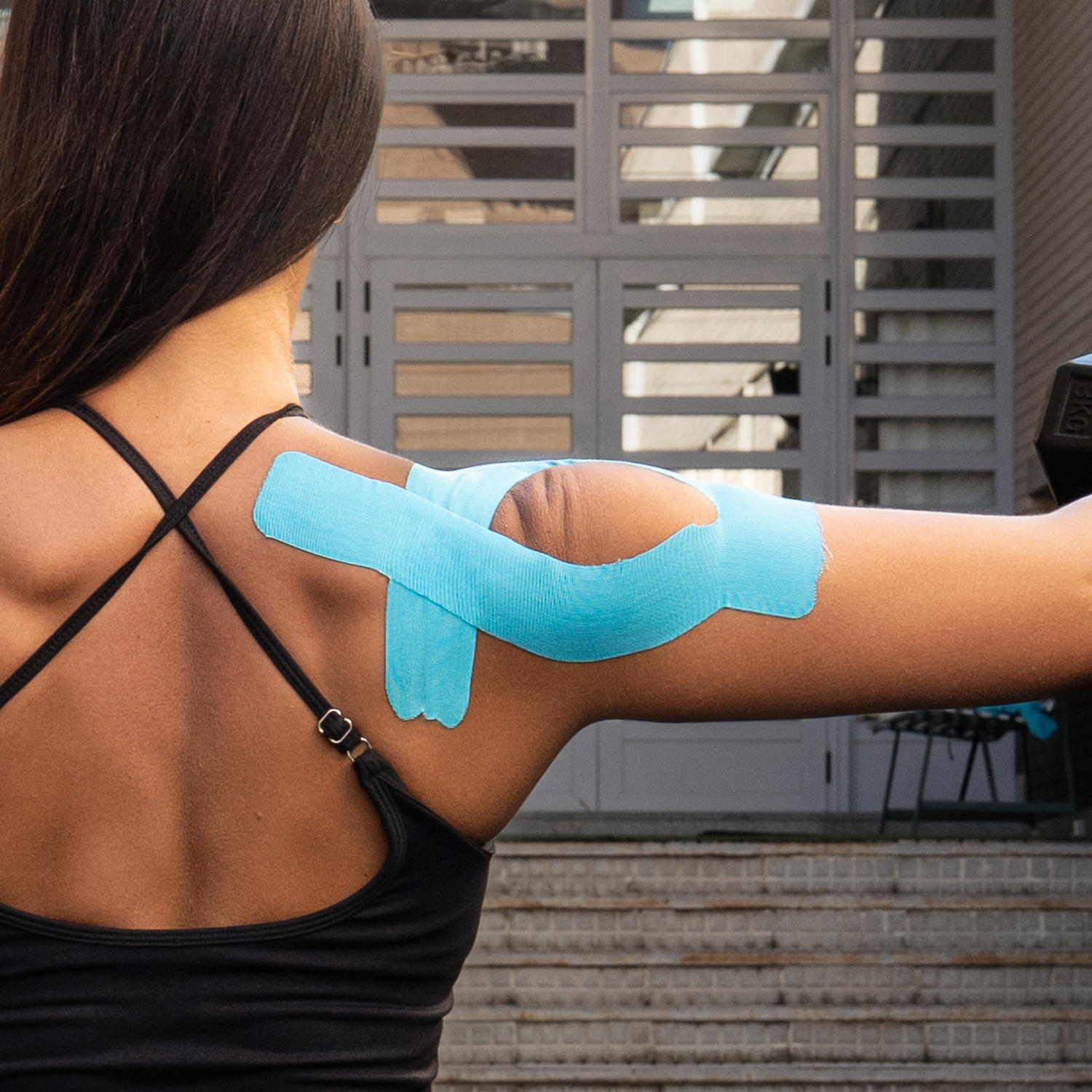
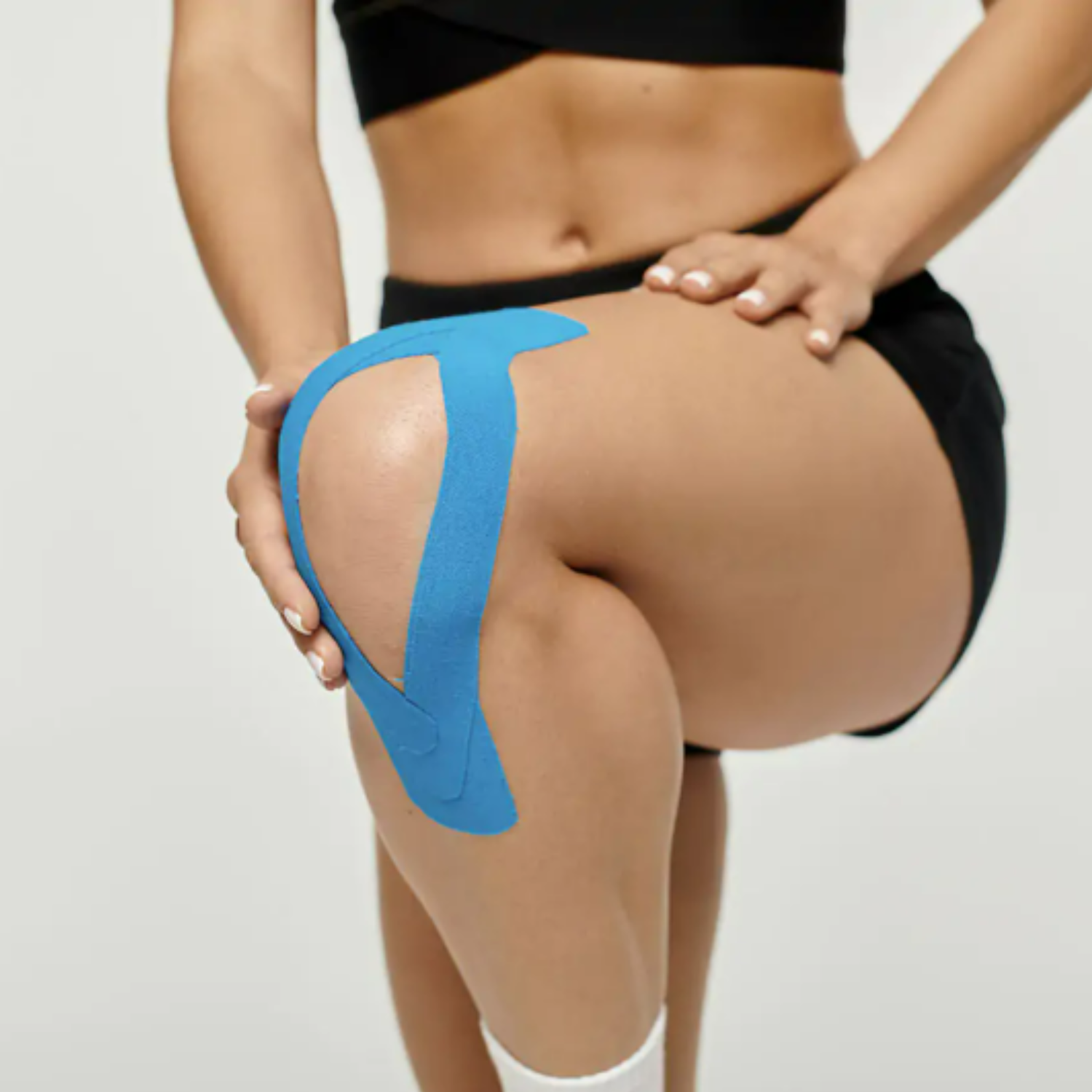
- Corrective Tape: Utilizing kinesiology tape can help gently realign the big toe and relieve joint pressure.
Investing in the right supportive tools can make your journey toward comfort much easier.
The Importance of Consistent Self-Care
Reducing bunion discomfort and improving foot health is a continuous journey. The key to success lies in consistency. Ensure that you incorporate these lifestyle changes into your daily routine, and don’t forget to be patient as your feet adjust.
Creating a Routine:
- Establish a regular stretching and strengthening routine.
- Schedule weekly foot soaks to promote relaxation and recovery.
- Keep a log of your footwear choices and how they affect your comfort.
By integrating these practices, you foster an environment for healing and improved foot recovery, helping to minimize bunion-related discomfort over time.
Unleashing Yourself from Discomfort
It’s important to remember that overcoming bunion discomfort is achievable through mindful lifestyle changes and dedicated self-care. You have the power to take charge of your foot health, keep your feet happy, and enjoy life more fully. By wearing the right shoes, practicing regular foot care, maintaining a healthy weight, and seeking professional help when necessary, you are on the path to reclaiming your comfort. Here’s to taking confident, pain-free steps toward a healthier you!
Frequently Asked Questions
1. What are bunions and what causes them?
2. What are the common symptoms of bunions?
3. How can choosing the right footwear help with bunion discomfort?
4. What foot care practices can alleviate bunion discomfort?
5. When should I seek professional help for my bunions?
Glossary
| Term | Meaning |
|---|---|
| Bunion | A bony bump at the base of the big toe caused by misalignment. |
| Hallux Valgus | The medical term for a bunion condition. |
| Toe Box | The front part of a shoe where the toes fit. |
| Arch Support | Support in shoes that helps distribute weight evenly. |
| Foot Care | Practices to maintain foot health and comfort. |
| Epsom Salt Soaks | Soaking feet in warm water with Epsom salts to reduce swelling. |
| Custom Orthotics | Personalized shoe inserts designed for foot support. |
| Protective Pads | Cushioning patches for sensitive foot areas. |
| Kinesiology Tape | A tape used to support muscles and joints. |
| Low-Impact Exercise | Gentle physical activities that minimize stress on the feet. |
Linked Product

Bunion Relief Bundle
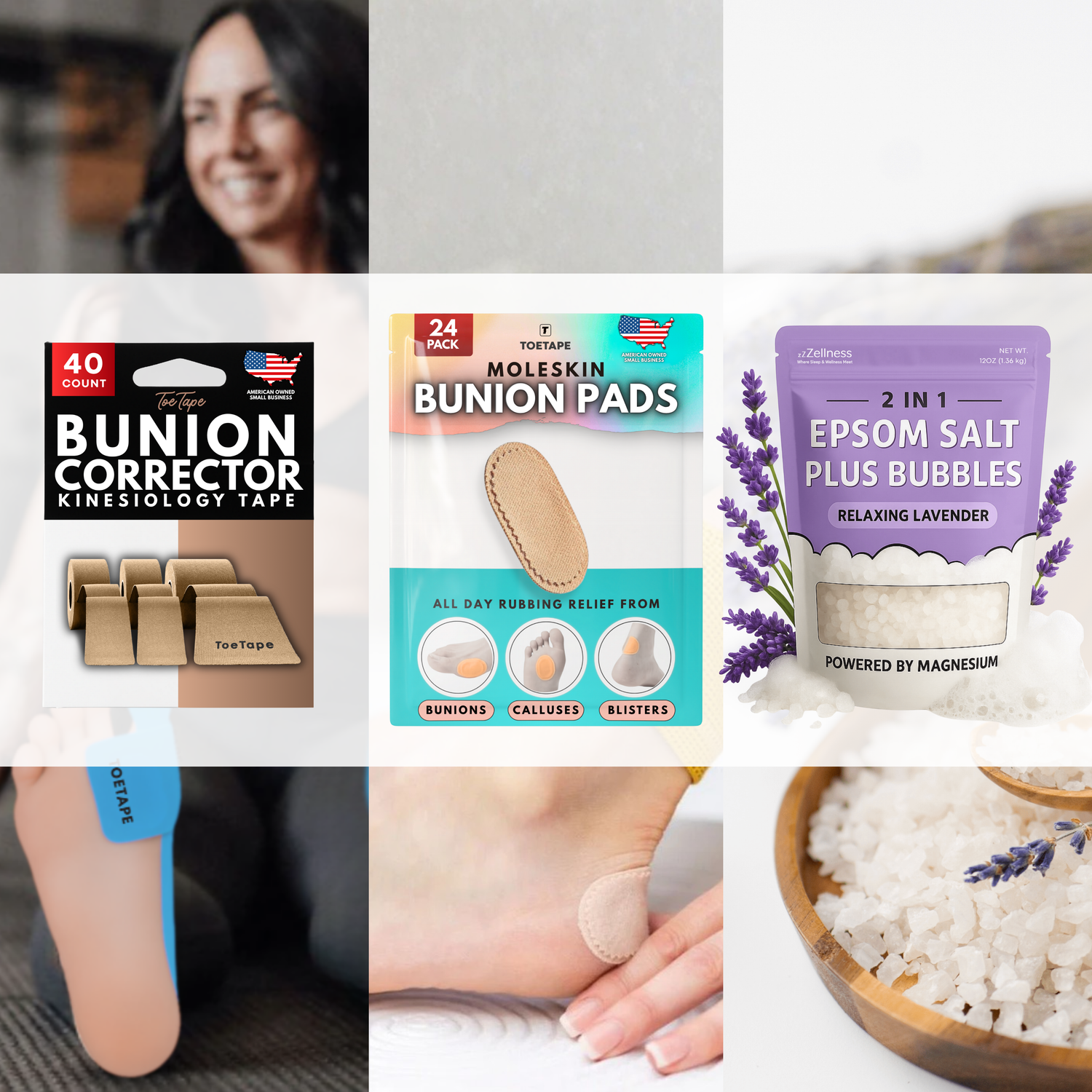
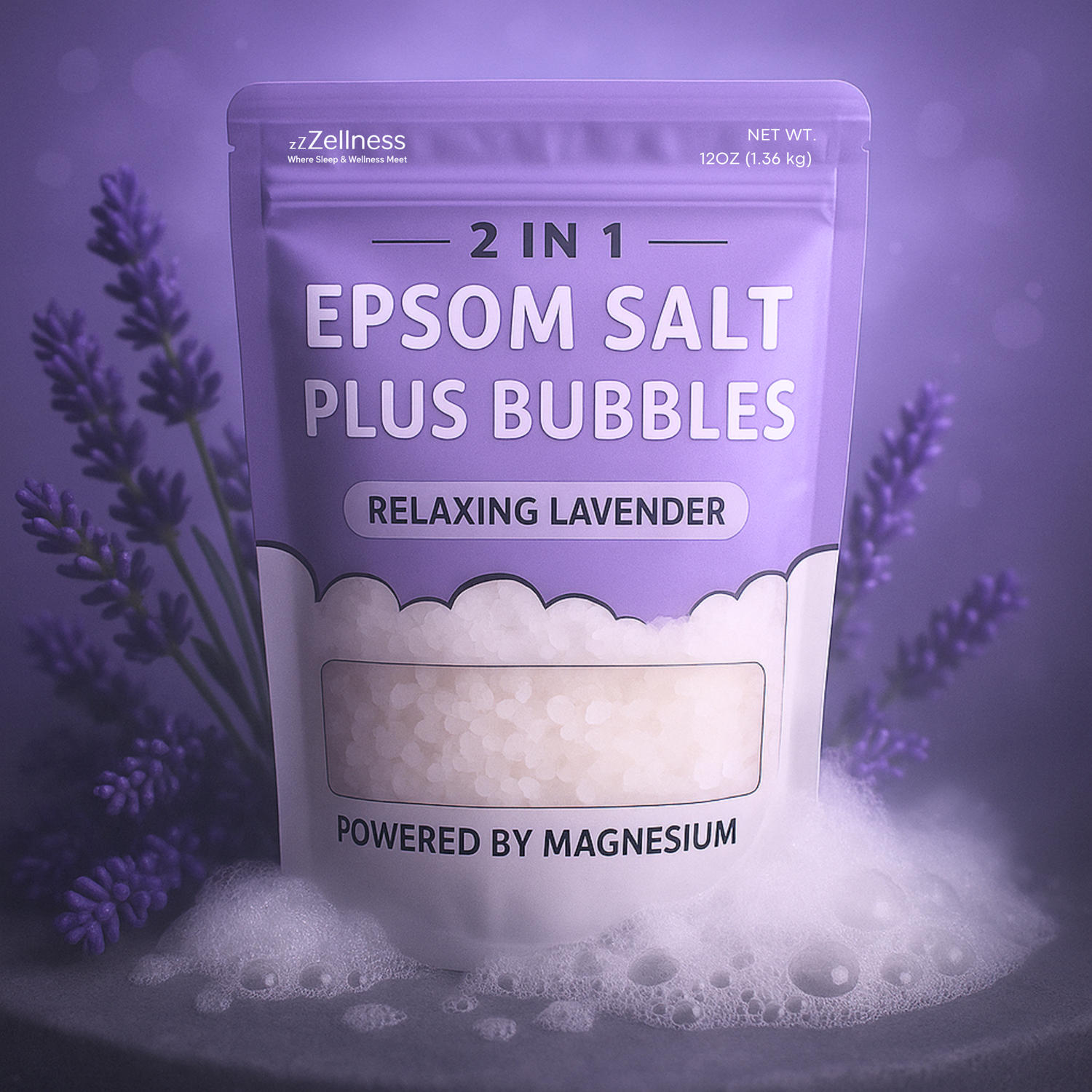
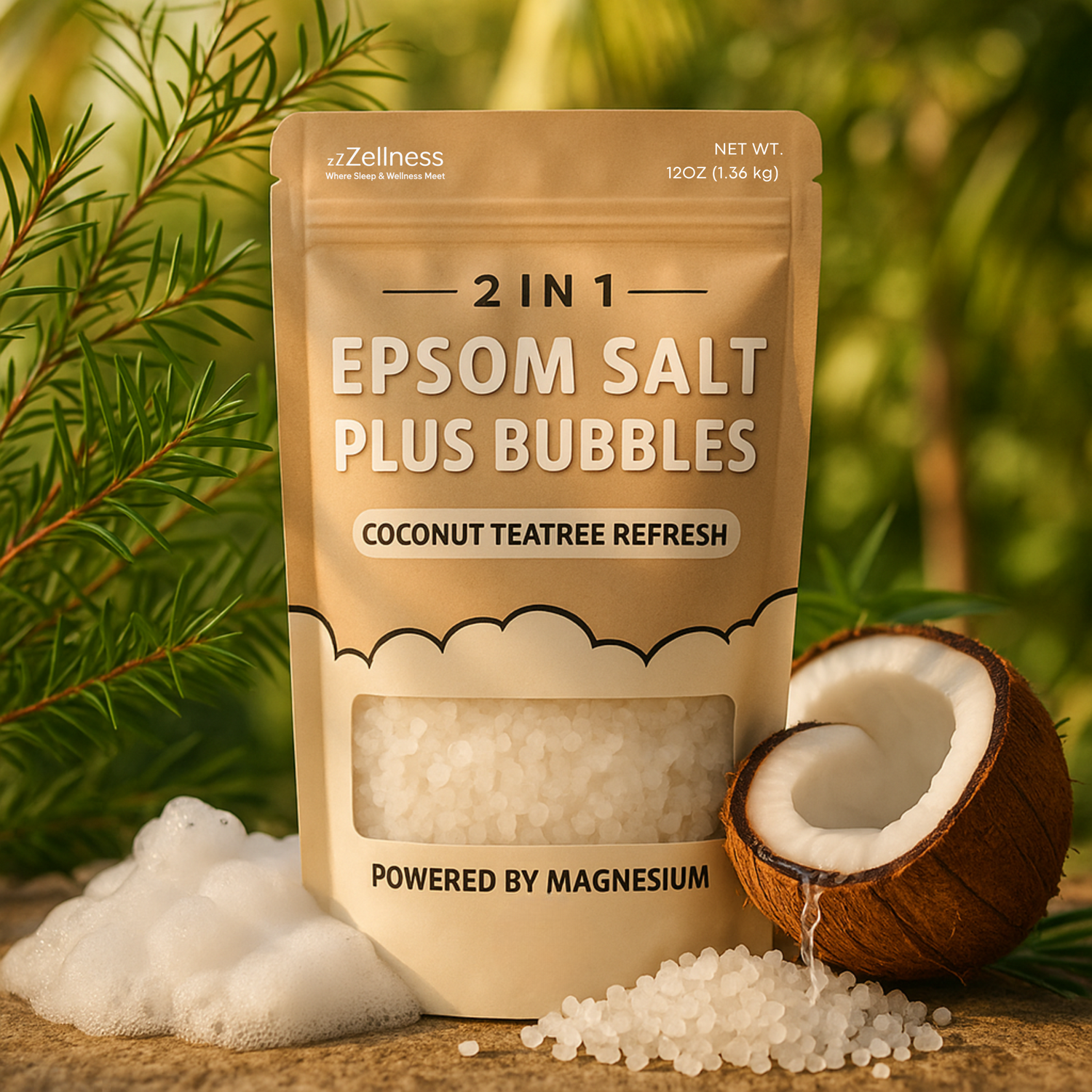
The Bunion Relief Bundle offers a comprehensive approach to foot comfort and recovery with three key products. It includes ToeTape™ Bunion Corrector Tape for realigning the big toe, Moleskin Bunion Pads to protect against friction, and Epsom Salts + Foaming Bubbles for soothing sore feet and reducing inflammation. This bundle is designed to alleviate pain and support foot health, making it suitable for those who are on their feet frequently or engage in physical training.
View Product