












Overview
This article provides a comprehensive overview of bunions, including when to consider surgical options for correction. Readers will learn about various surgical procedures, what to expect during the surgical process, and post-operative recovery and care. Additionally, the article discusses non-surgical alternatives for managing bunion discomfort, emphasizing the importance of proactive foot health for improved quality of life.
Table of Contents
- Understanding Bunions
- When to Consider Surgery
- Surgical Options for Bunion Correction
- 1. Osteotomy
- 2. Exostectomy
- 3. Arthrodesis
- 4. Lapidus Procedure
- The Surgical Process: What to Expect
- Consultation and Pre-operative Preparations
- The Day of Surgery
- Recovery After Bunion Surgery
- Immediately After Surgery
- First Few Weeks
- Physical Therapy
- Long-Term Care and Management
- Exploring Non-Surgical Alternatives
- Foot Health Moving Forward
Key Takeaways
- Bunions are deformities of the big toe joint, causing pain and difficulty in wearing shoes.
- Surgery is typically considered when non-surgical treatments fail or when bunion pain disrupts daily activities.
- Common surgical options include osteotomy, exostectomy, arthrodesis, and the Lapidus procedure.
- Recovery from bunion surgery can take several weeks and may require physical therapy for full mobility restoration.
- Post-surgery care includes proper foot elevation, pain management, and following the doctor's advice on bandage changes.
- Long-term bunion management involves wearing well-fitting shoes, using gel toe spacers, and regular follow-ups with healthcare providers.
- Non-surgical alternatives, such as the Bunion Relief Bundle, can help alleviate discomfort without surgery.
Bunions can be a significant source of discomfort and pain, impacting everyday activities and overall quality of life. When non-surgical measures like bunion relief products and gel toe spacers don't provide the desired relief, many individuals may consider surgical options for bunion correction. In this article, we will explore the different surgical procedures available, what to expect from the surgery, recovery times, and how to best manage your bunion health post-operation.
Understanding Bunions
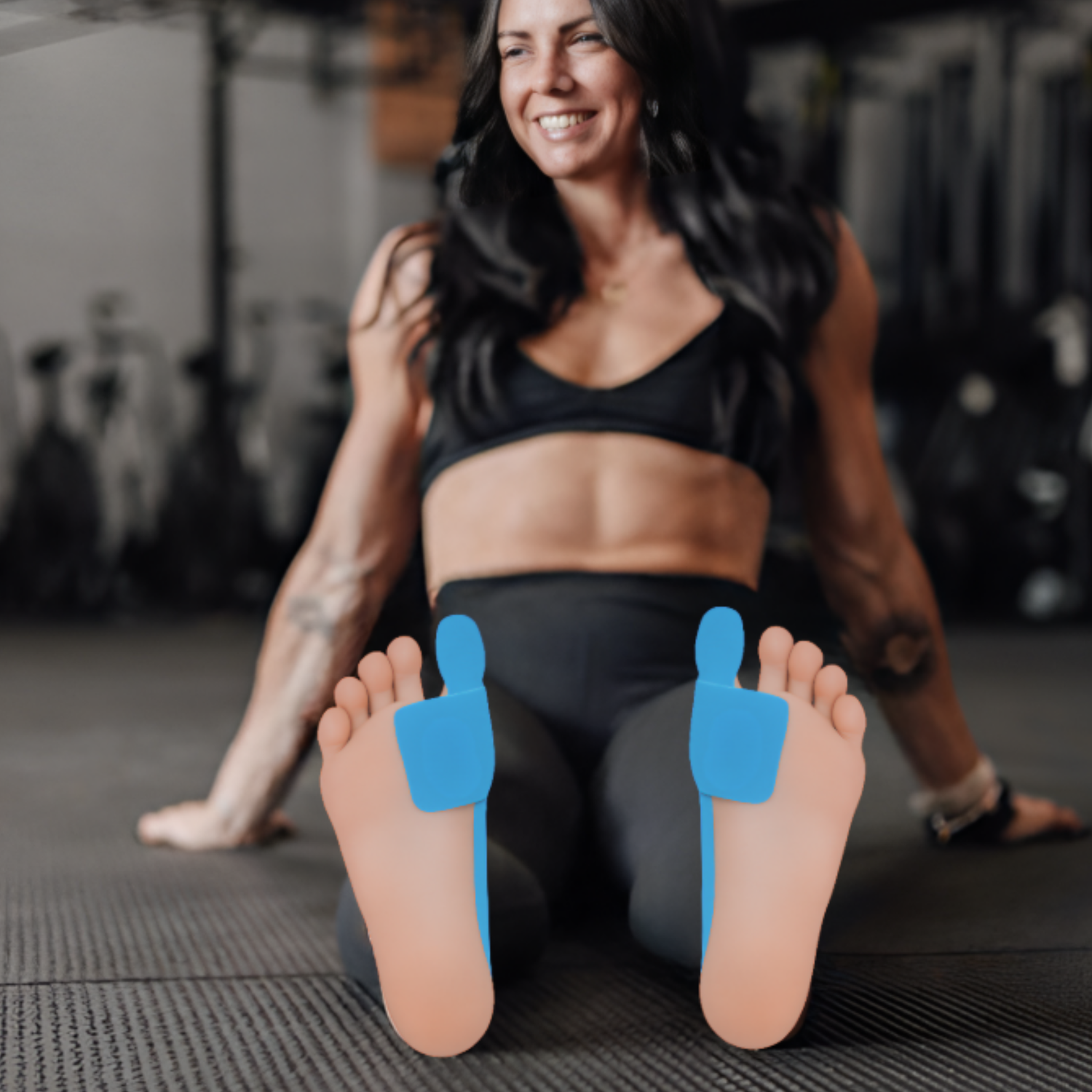
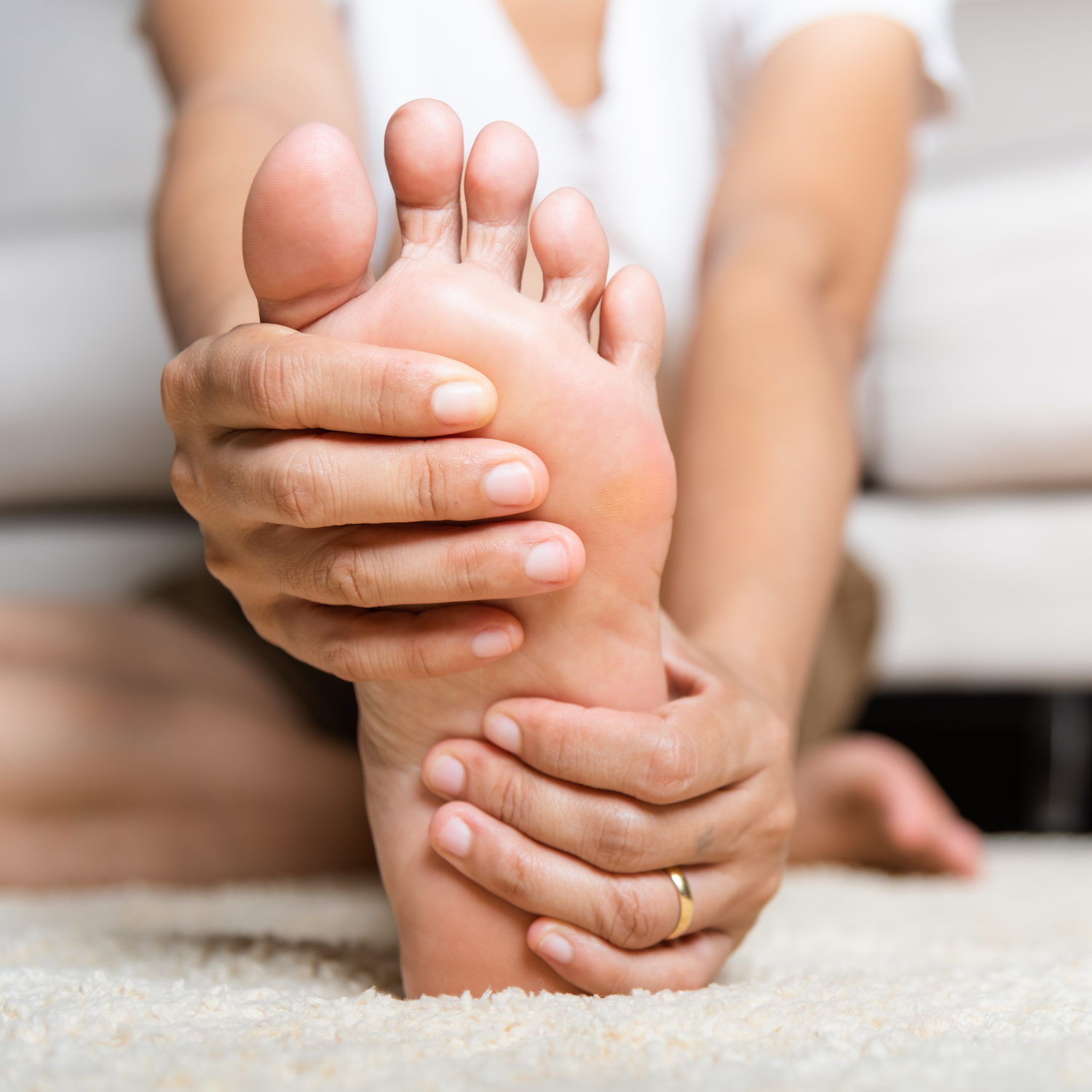
Bunions, or hallux valgus, are deformities of the joint at the base of the big toe, causing it to angle towards the second toe. This can lead to pain, inflammation, and difficulty wearing shoes. While some people manage their bunion discomfort with non-invasive solutions, such as the Bunion Relief Bundle, which includes products like tape for realigning the toe and protective pads, others might require surgical intervention.
When to Consider Surgery
Surgery isn't the first line of defense against bunions. It is typically recommended when:
- Your bunion pain interferes with daily activities.
- Non-surgical treatments have failed to alleviate symptoms.
- You have developed other foot conditions due to the bunion (like arthritis).
Before proceeding, it’s crucial to consult with a qualified podiatrist or orthopedic surgeon to evaluate your specific situation and determine the best course of action.
Surgical Options for Bunion Correction
1. Osteotomy
Osteotomy is one of the most common surgical methods for treating bunions. This procedure involves cutting the bone in the big toe (metatarsal) to realign it properly. Depending on the severity of the bunion, the surgeon may perform different types of osteotomies, including:
- Distal Osteotomy: The cut is made near the end of the metatarsal bone.
- Basal Osteotomy: The cut is made at the base of the metatarsal near the midfoot.
- Chevron Osteotomy: A V-shaped cut is made to reposition the bone effectively.
In most cases, screws or plates are used to stabilize the bone during the healing process. Recovery can take several weeks, and physical therapy may be necessary to regain full mobility.
2. Exostectomy
Exostectomy is a simpler procedure where the bony bump on the side of the toe is removed. However, this method does not address the underlying alignment issue and is rarely performed as a standalone treatment. It is often combined with osteotomy for better results.
3. Arthrodesis
For severe bunion cases, arthrodesis may be recommended. This surgery involves fusing the bones of the big toe joint to alleviate pain and improve alignment. While this procedure can provide significant pain relief, it limits motion in the big toe, which may affect some activities.
4. Lapidus Procedure
The Lapidus procedure is a surgical option that involves fusing the joint at the base of the first metatarsal and the medial cuneiform bone. This provides stable support and can correct severe bunions, especially in young and active individuals.
The Surgical Process: What to Expect
Consultation and Pre-operative Preparations
Prior to surgery, your doctor will perform a thorough examination of your foot, including X-rays to assess the bunion's severity and determine the best surgical approach. You’ll also discuss your medical history, including any medications you're taking or previous surgeries.
In the weeks leading up to the surgery, your doctor may recommend:
- Ceasing anti-inflammatory medications, as these can affect blood clotting.
- Getting blood tests or imaging studies as needed.
- Preparing for post-surgery care, including arranging for help at home.
The Day of Surgery
Surgical procedures for bunion correction are typically done on an outpatient basis, meaning you can go home the same day. On the day of the surgery, you will be placed under either local or general anesthesia, depending on the complexity of your procedure.
The surgery may last from one to three hours, during which your surgeon will correct the bunion according to the chosen procedure. After the surgery, you will be monitored for a short period before being discharged.
Recovery After Bunion Surgery
Recovery times can vary based on the complexity of the procedure and your overall health. However, here’s a general outline of what to expect post-surgery:
Immediately After Surgery
Post-surgery, your foot will likely be bandaged and may be placed in a special boot or cast. You might experience swelling, bruising, and discomfort. Ice and elevation can help reduce swelling during the first few days.
First Few Weeks
During the initial recovery phase, you should:
- Avoid putting weight on the operated foot; crutches or a walker may be recommended.
- Manage pain with prescribed medications.
- Follow your doctor’s advice regarding bandage changes and hygiene.
Physical Therapy
Once your doctor gives the green light, physical therapy may begin to strengthen the foot and restore flexibility. This phase is essential to ensure a successful recovery.
Long-Term Care and Management
Even after your initial recovery, you must maintain proper foot care to prevent bunion recurrence. Some effective strategies include:
- Wearing appropriately fitting shoes that provide ample space for the toes.
- Utilizing gel toe spacers to help maintain proper alignment.
- Using non-invasive bunion relief products like adhesive pads or specialized orthotics.
Regular follow-ups with your healthcare provider can help monitor your progress and address any potential issues.
Exploring Non-Surgical Alternatives
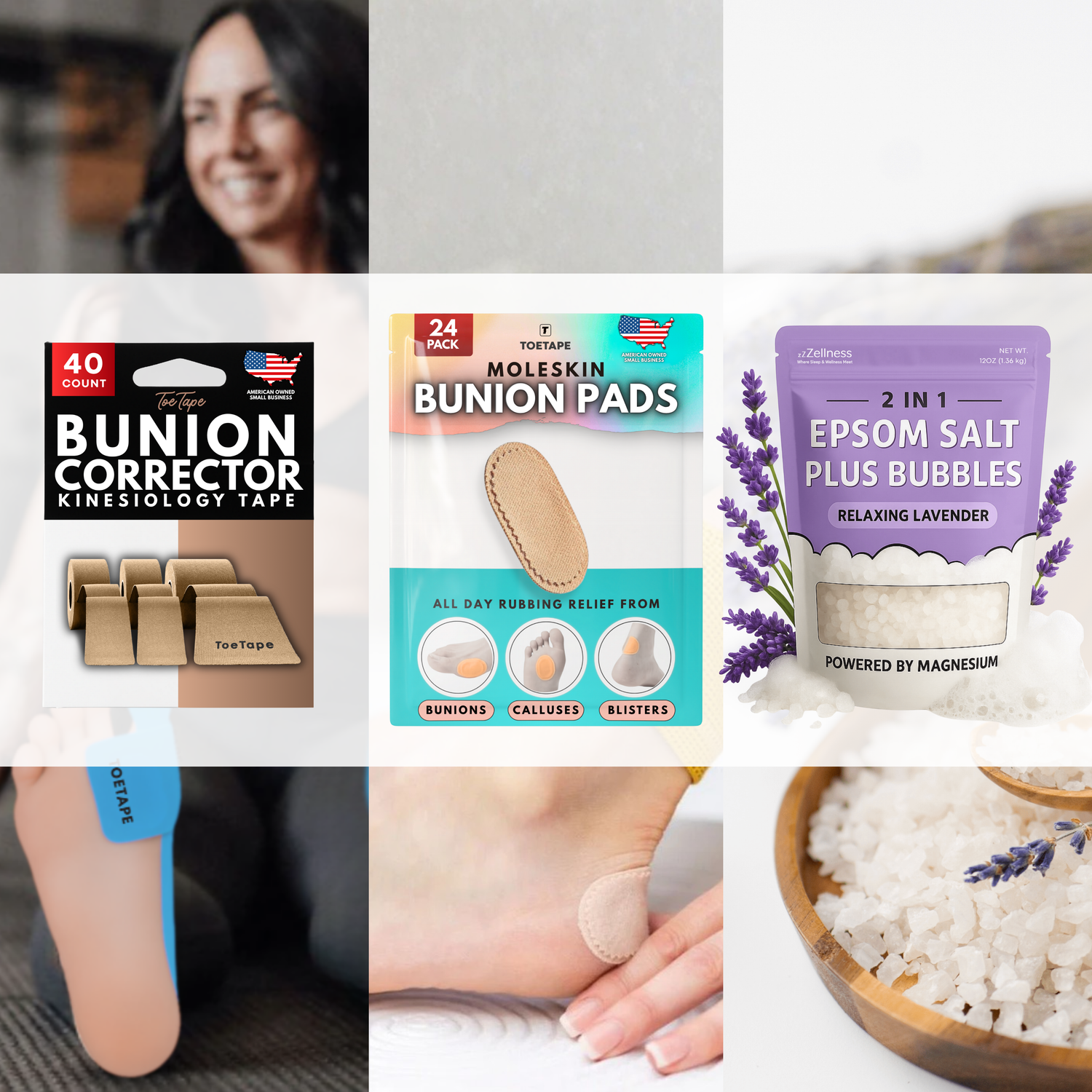
If you're hesitant about surgery or your bunion isn't significantly interfering with your life, consider non-surgical alternatives. Products within the Bunion Relief Bundle have proven beneficial for many individuals looking for ways to alleviate discomfort without undergoing surgery. These products might include:
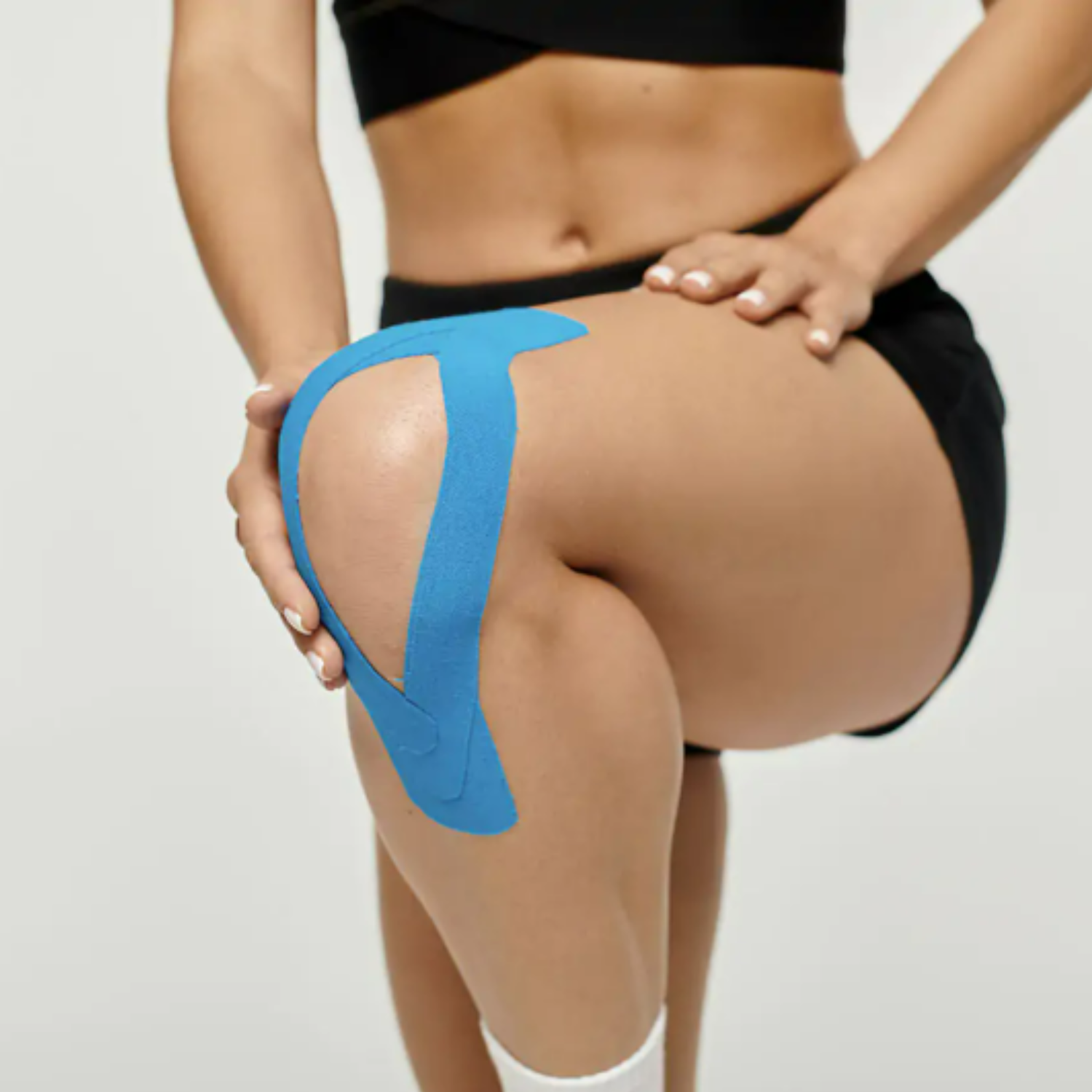
- Toe Tape: A kinesiology tape that aids in realigning the big toe for improved comfort and reduced pain.
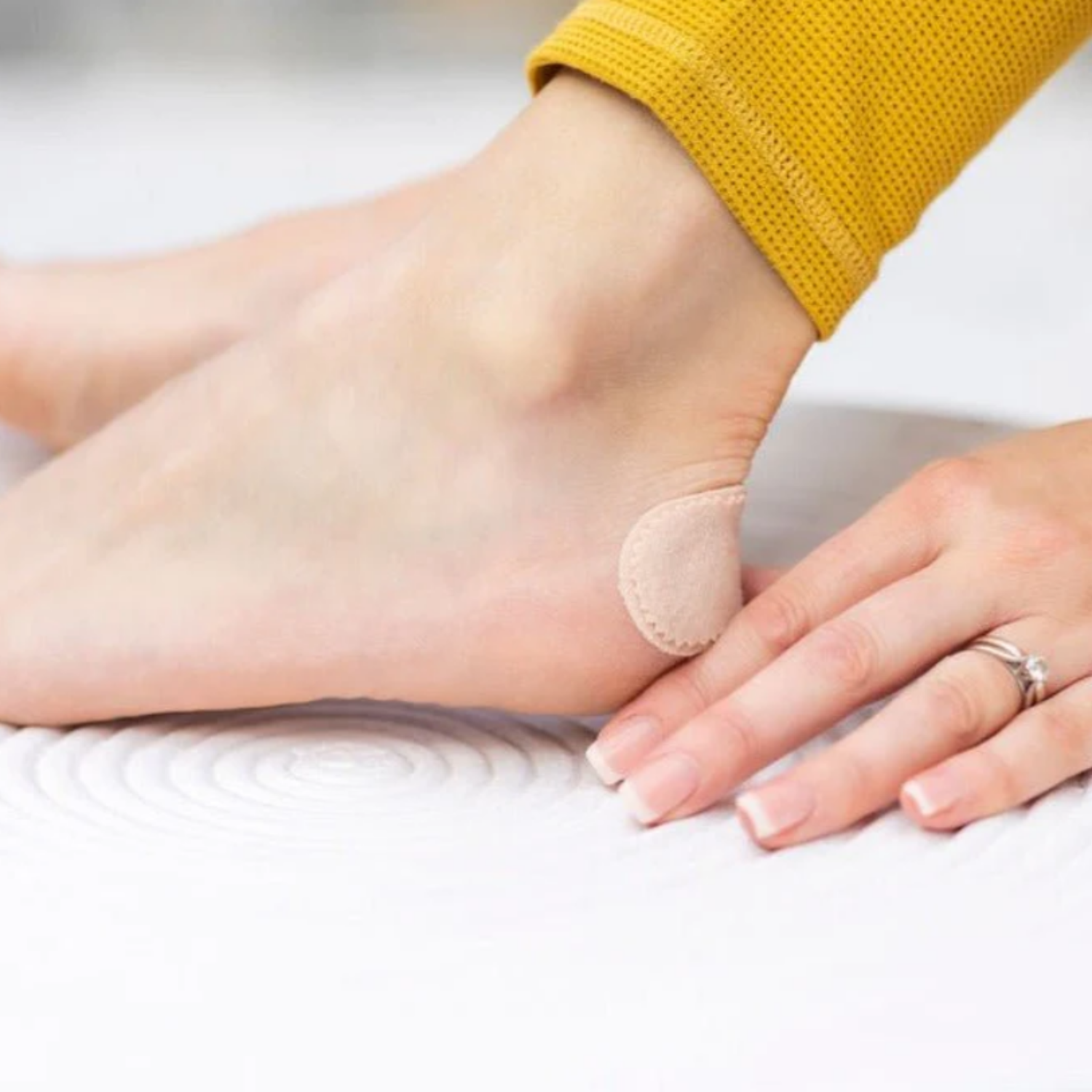
- Moleskin Bunion Pads: Adhesive patches that provide cushioning to prevent friction against shoes.
- Epsom Salts: Soaking in Epsom salts can relieve soreness and reduce inflammation in your feet.
While these options may not cure the bunion, they can significantly improve daily comfort.
Foot Health Moving Forward
Taking care of your bunions goes beyond the surgical process. By employing long-term preventive measures, utilizing supportive products, and choosing appropriate footwear, you can maintain the health of your feet. Remember, the journey towards bunion relief is continuous and often requires a combination of treatments and lifestyle adjustments to keep your feet feeling good.
Whether you opt for surgical intervention or rely on non-invasive bunion relief methods, understanding your options and being proactive in your foot care will ultimately lead to a better quality of life. Your feet carry you through life — treat them well!
Frequently Asked Questions
1. What are bunions?
2. When should I consider bunion surgery?
3. What are the different surgical options for bunion correction?
4. What can I expect during the bunion surgery process?
5. How do I manage my recovery after bunion surgery?
Glossary
| Term | Meaning |
|---|---|
| Bunion | A deformity at the base of the big toe causing pain and misalignment. |
| Osteotomy | A surgical procedure that cuts and realigns the bone in the big toe. |
| Exostectomy | A procedure to remove the bony bump on the toe but not the misalignment. |
| Arthrodesis | Surgery that fuses bones in the big toe joint to relieve pain. |
| Lapidus Procedure | A surgery that fuses the first metatarsal and medial cuneiform for stability. |
| Physical Therapy | Rehabilitation to strengthen the foot and restore flexibility post-surgery. |
| Bunion Relief Bundle | A collection of products designed to alleviate bunion discomfort. |
| Toe Tape | A kinesiology tape for realigning the big toe and reducing pain. |
| Moleskin Bunion Pads | Cushioned adhesive patches to prevent friction from shoes. |
| Epsom Salts | Salts used in foot soaks to relieve soreness and reduce inflammation. |
Linked Product

Bunion Relief Bundle
The Bunion Relief Bundle offers a comprehensive approach to foot comfort and recovery, featuring three effective products designed to alleviate pain and protect sensitive areas. The ToeTape™ Bunion Corrector Tape helps realign the big toe, while Moleskin Bunion Pads shield against friction and irritation. Additionally, the Epsom Salts + Foaming Bubbles provide a soothing soak to relax sore feet and reduce inflammation after long days or workouts.
View Product